Registering with NZ On Screen means you can:
We won't share your data with anyone (see our Privacy Policy) and we won't spam you. It's that simple.
Main navigation
By NZ On Screen Team
13.04.2012
This collection brings together 40+ titles covering Kiwis at war. Iconic documentaries and films tell stories of terrible cost, heroism and kinship. Each title raises fundamental questions about our identity. Dr Chris Pugsley muses, "It is sobering to think that in the first half of the 20th Century the big OE for most New Zealanders was going to war."
This title has been added to your favourites.
Remove from your favourites.
This title has now been removed from your favourites.
You need to be logged in to add to your favourites.
Thank you. Your email has been sent.
This link could not be emailed at this time. Please try again later.
This 1983 film looks at New Zealand in World War II via a compilation of footage from the National Film Unit’s Weekly Review newsreels, which screened in NZ cinemas from 1941 - 1945. Helen Martin called it a “fascinating record of documentary film-making at a crucial time in the country’s history.”
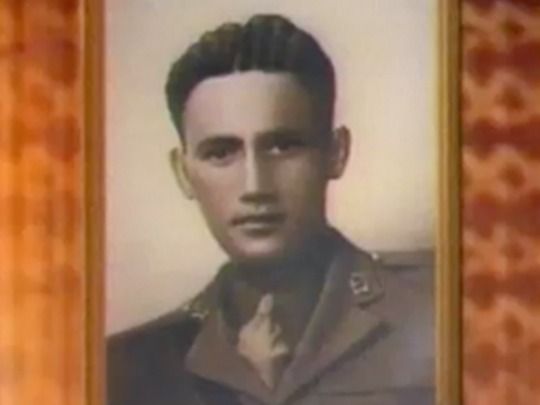
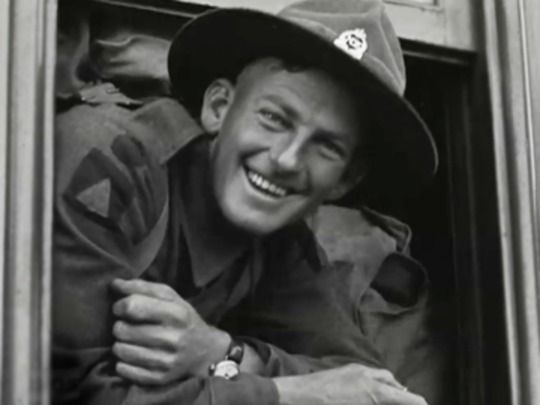
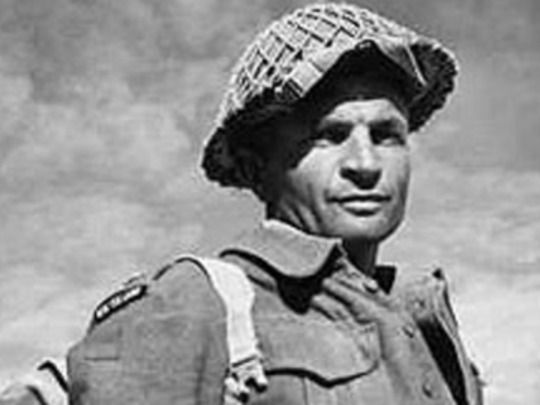
New Zealand’s greatest war hero is the subject of a 1985 This is Your Life tribute. Charles Upham was a rare recipient of two Victoria Crosses. Those he served with, from Crete battlefields to imprisonment in Colditz Castle, honour their taciturn comrade, and recount stories of bravery and humour.
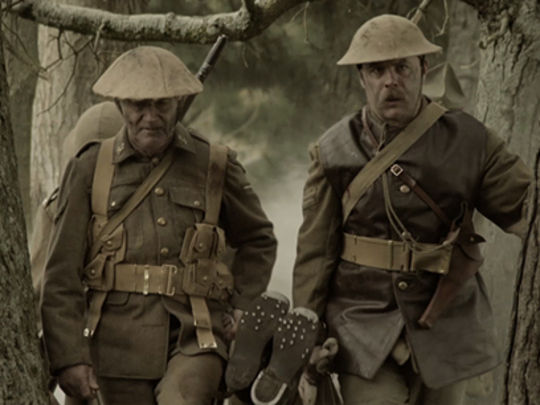
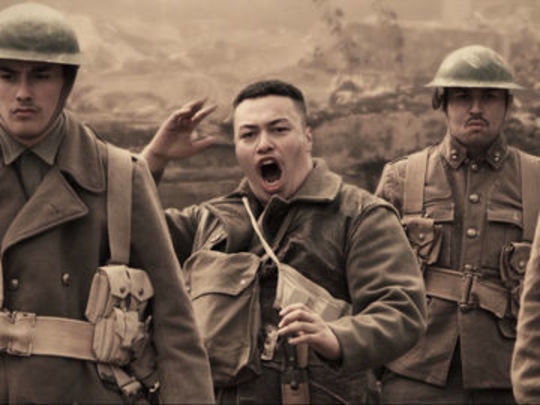
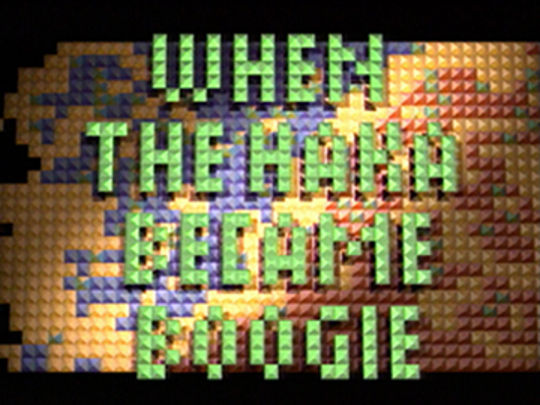
This epic Lee Tamahori-directed promo for the Auckland Commonwealth Games imagines the stirrings of Games spirit in the mud of the Western Front, 1917. A Kiwi (Bruno) and an Aussie digger (Tony Barry) egg each other on (and more besides) in a race behind the lines to see who is the fastest.
This documentary unearths the story of the New Zealand Tunneling Company, whose daring World War I raids involved digging tunnels through the chalk and mining beneath enemy lines. The story is told through the eyes of a NZ girl who retraces her grandfather’s war story to the French city of Arras.
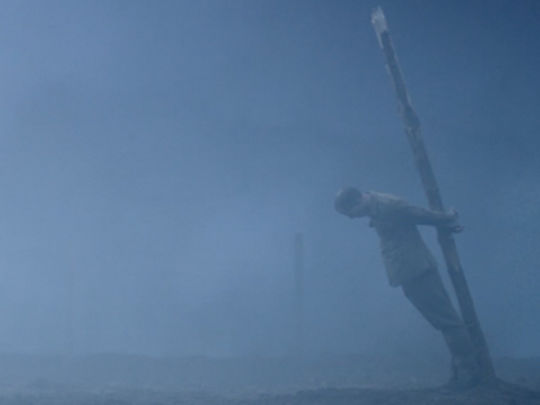
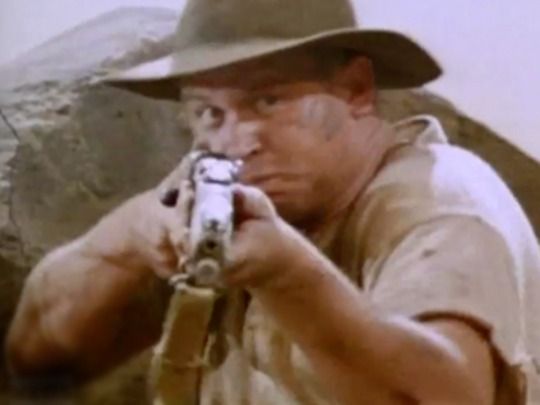
This feature dramatises an identity forming but ill-fated offensive that Kiwi soldiers undertook during World War I: the brief seizure of the Turkish summit of Chunuk Bair on 8 August 1915 by the Wellington Battalion. The story was based on Maurice Shadbolt’s classic play, Once On Chunuk Bair.
This short potted history of Kiwi soldiers in combat spans from World War I to the Malayan Emergency: from the First New Zealand Expeditionary Force being reviewed by King George V, to desert warfare and island hopping in World War II, and the New Zealand Regiment's 2nd Battalion’s jungle training.
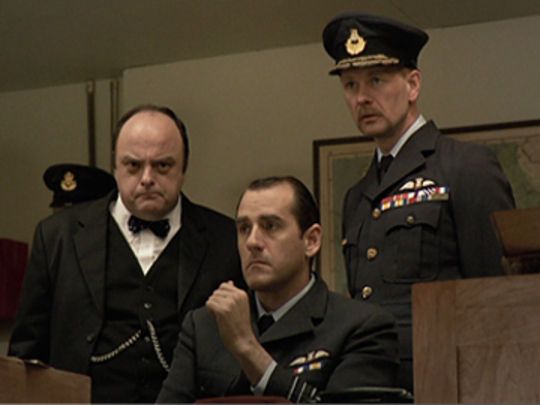
World War II fighter ace Johnny Checketts gets presented with the big red book in this 1990 show; Checketts shot down 14 and a half enemy aircraft in combat. Here he is joined by family and colleagues, including the French woman who rescued Checkett after he was shot down over enemy territory.
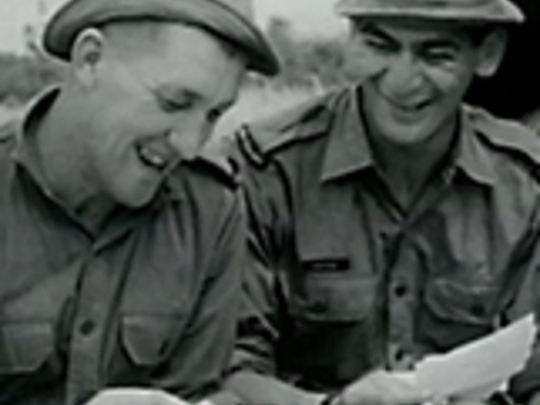
This wartime newsreel ends with a visit to the NZ Expeditionary Force's Christmas celebrations while fighting in Italy. There's mail from home, hospital romance, malarky in the snow, and Māori Battalion soldiers roast a pig. Ambulances and a visit to the frontline are a reminder that war goes on.
Made before renewed attention thanks to Carole Van Grondelle's definitive bio Angel of the Anzacs — this documentary spans Nola Luxford’s colourful life: from pioneering American radio work in the 30s and 40s, a Hollywood acting career, and her legendary World War II Anzac club in New York.
This is a (silent) film record of the civic reception of returning World War I hero, Lieutenant John Grant, in the iconic 'lemon squeezer' hat. The Hawera builder won a Victoria Cross for raiding several German machine-gun 'nests' — via leaping into them — near Bapaume, France on 1 September 1918.
In the wake of the World War II Allied invasion of Normandy, a US solider (Usual Suspects star Gabriel Byrne) meets a French woman alleged to be a Nazi collaborator. The tragic tale of moral ambiguity during wartime was adapted from an MK Joseph novel; it was Larry Parr’s feature directing debut.
The war in Europe is over and Kiwis take to the streets to celebrate in this NFU newsreel. The relief and excitement at the end of hostilities against Germany is clearly visible on the faces of the crowds. But Deputy Prime Minister Walter Nash reminds the crowd the war is not over: Japan has yet to surrender.
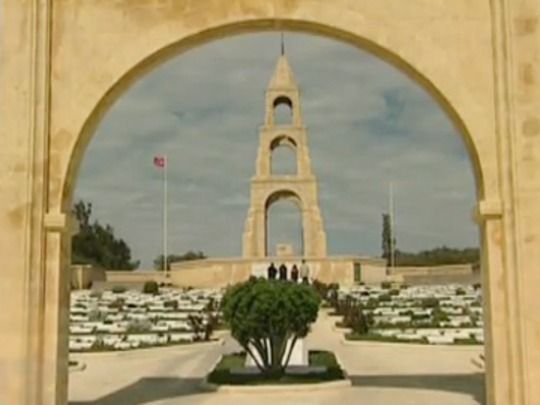
Made by Turkish filmmaker Tolga Örnek, this acclaimed documentary’s Gallipoli point of difference is that it’s narrated by people representing both sides of the catastrophic battle. Poignant readings from letters and diaries (Sam Neill for the ANZACs) personalise the experience of the carnage.
This NFU documentary marks the 1958 21st anniversary celebrations of the Royal New Zealand Air Force. It looks back at the RNZAF's battle-hardened contribution in World War II, then follows cadets working towards their ‘wings’ — Top Gun training Kiwi-style — and the force’s contemporary roles.
In this short doco, artist Helen Pollock discusses her sculpture Falls the Shadow, made using clay from the Coromandel and the Passchendaele (Netherlands) battlefield. The work was inspired by her father, a wartime signaller, and is now on permanent display at Passchendaele Memorial Museum.
Readiness for entering the fray while warning against overconfidence is the message in this early NFU propaganda film; it follows Japan's entry into World War II in December 1941. Until then the war had been a largely remote experience for many New Zealanders. Now our own soil was threatened.
In a Hollywood studio, host Bob Parker surprises expat Nola Luxford with a high speed tour of her life. After outlining Luxford's early acting career (Hastings to Hollywood), Parker introduces colleagues from her time as a pioneering US-based broadcaster, and tributes to her New York WWII club.
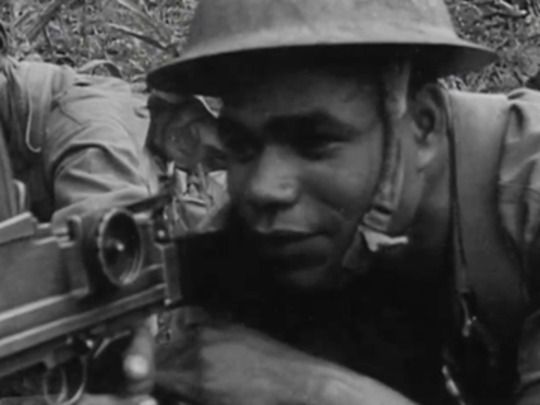
This 1966 army recruiting film was made while New Zealand was still involved in the Vietnam War. While its emphasis is on the various trades, such as carpentry, engineering and radio operation, which can be learned in the army, it doesn't shy away from the military combat aspects of service.
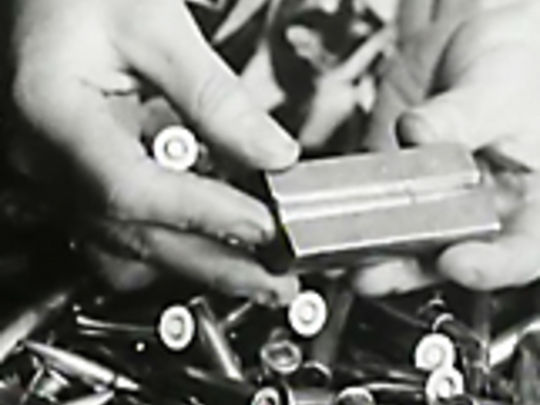
As World War II intensifies, this 1941 propaganda film reassures Kiwis that the country has the heavy industry required to supply its army. Factories are converted to wartime needs and munitions pour out. A suitably bellicose script informs viewers "This is our striking power: men and munitions."
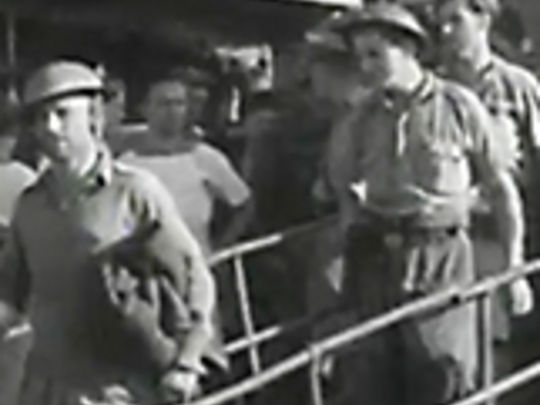
This early NFU wartime newsreel shows the arrival in Egypt of defeated NZ soldiers after their evacuation from Crete. More than 2000 New Zealanders were left behind and captured by the Germans. For the people back home Prime Minister Peter Fraser puts an optimistic gloss on a comprehensive defeat.
The Years Back was a major 13-part series made for TV by the National Film Unit. Presented by Bernard Kearns, it covered six decades from 1900, with content largely drawn from (often priceless) surviving historic film. Several episodes covered New Zealand and New Zealanders' wartime experience.
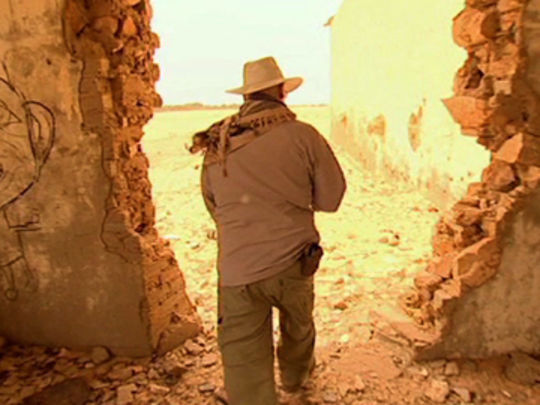
This doco follows three amateur historians into the heart of the Sahara as they track the path of the can-do Kiwis in ‘T Patrol’, a unit of World War II’s legendary Long Range Desert Group. The LRDG braved extreme conditions to launch raids — in converted Chevrolets — deep behind enemy lines.
Controversial First World War safe-sex campaigner Ettie Rout is the subject of this Pioneer Women episode. To the establishment her pioneering ideas on health, sex and gender were ‘immoral’ and received with hostility; while the RSA and some doctors considered her a “guardian angel of the ANZACs”.
Maurice Gee’s experiences growing up in West Auckland during World War II were the basis for this home front drama. Rex Pascoe (future Pluto singer Milan Borich) is a war-obsessed schoolboy worried about his dad’s black-market dealings; meanwhile, American soldiers are making their presence felt.
In the French town of Le Quesnoy, the names of local streets and landmarks serve notice of a debt to New Zealand. In the final week of World War I Kiwi soldiers freed the town from its German occupiers. Director David Blyth heads to France following the path of his liberator grandfather ‘Curly’.
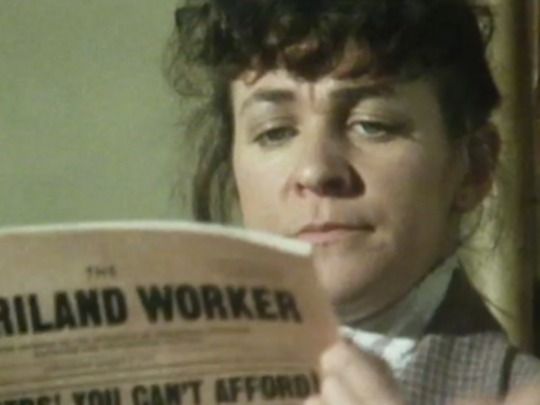
Sedition chronicles the experiences of Kiwi pacifists during wartime. By June 1940, holding more than one copy of a 'subversive' magazine could mean nine months hard labour, and new laws affecting meetings and media coverage meant that talking about pacifism could result in arrest.
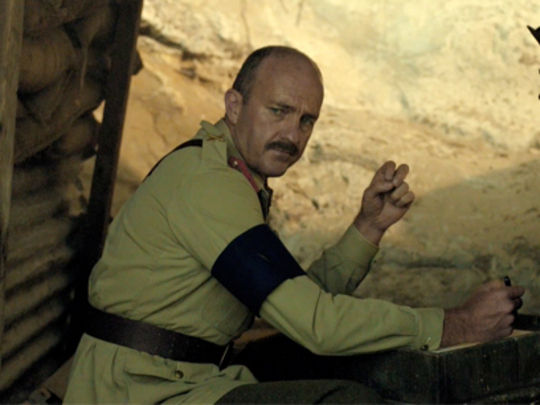
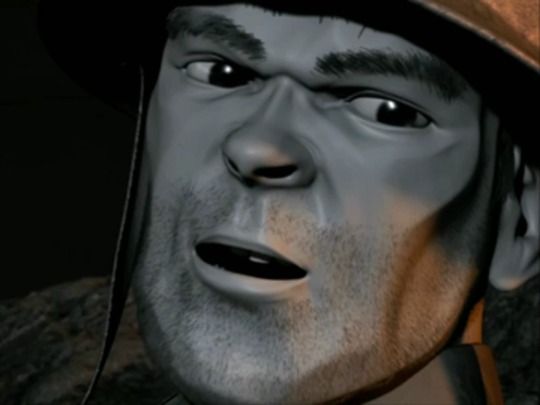
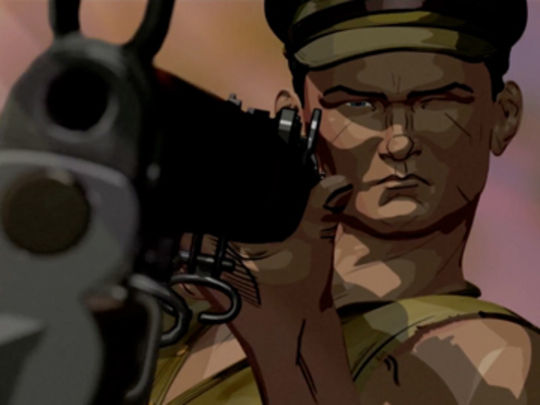
In director James Cunningham's award-winning short film, two Kiwi soldiers find a baby in a muddy WWI trench. For Paddy the find will lead to redemption amidst the hell of war. CGI evokes a bleak Western Front landscape on which the (motion-captured, 3D-animated) drama unfolds.
It’s Anzac Day 1966 and ex-serviceman and farmer Bill (Peter Vere-Jones) finds his usual traditions disrupted by a visit from his son Peter (Michael Hurst), whose pacifist beliefs bring the family’s repressed antagonisms boiling to the surface in this confronting TV drama.
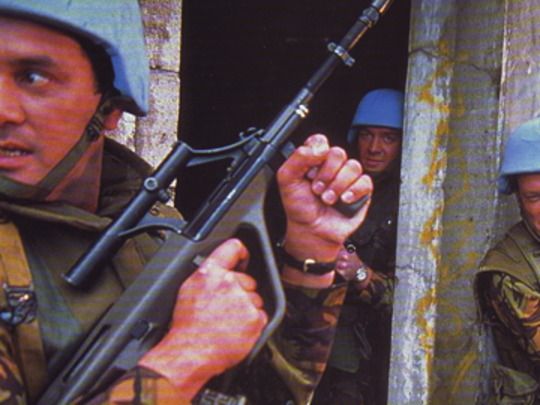
The Call Up chronicles the final 48 hours before three UN Peacekeepers head off to Bosnia. Armed with a top notch cast (Marton Csokas, Joel Tobeck, Calvin Tuteao) the David Blyth-directed drama delves into the mixed emotions of heading into the fray: the impact on the soldiers and those left behind.
In 2007 Corporal Willie Apiata, of the NZ Army’s SAS, was awarded the Victoria Cross for carrying a wounded soldier to safety while under fire in Afghanistan. This doco had exclusive access to the shy soldier as he struggles with sudden celebrity, and the need to keep the work of the SAS covert.
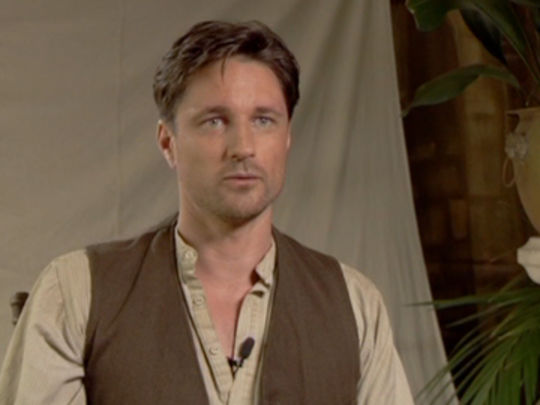
Gaylene Preston’s feature was inspired by her parents’ life during wartime. Preston’s father Ed (Goodbye Pork Pie’s Tony Barry) remembers his WWII story, which is recreated with Martin Henderson as his younger self and Preston’s daughter Chelsie playing her grandmother Tui: the wife back home.
This doco looks at the life of East Coast-born Moana Ngārimu, the sole recipient from the Māori Battalion to be awarded the Victoria Cross during WWII. He was killed on 27th March 1943, after taking then defending overnight a hilltop position (and injured men) in Tunisia. He was 24.
This classic newsreel was the first of the war information films made for the Weekly Review series; it was also the first National Film Unit production. The film follows Kiwi soldiers as they leave to fight, motivated to prove Adolf wrong (he’d described them as "poor deluded country lads"!).
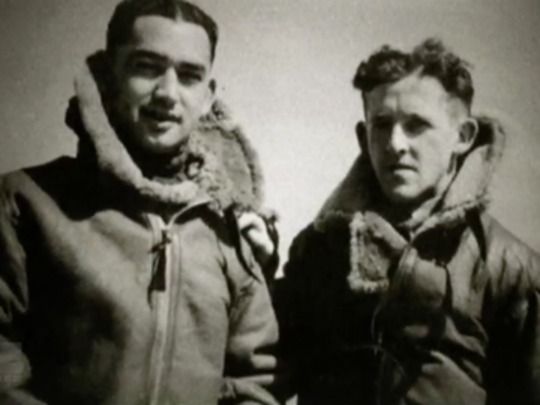
Porokoru Patapu (John) Pohe was the first Māori pilot in the RNZAF. Nicknamed 'Lucky Johnny', he was a WWII hero who flew 22 missions. This excerpt sees a captured Pohe plotting the legendary 'Great Escape' from Stalag Luft III. Listener reviewer Diana Wichtel called it "a terrific yarn".
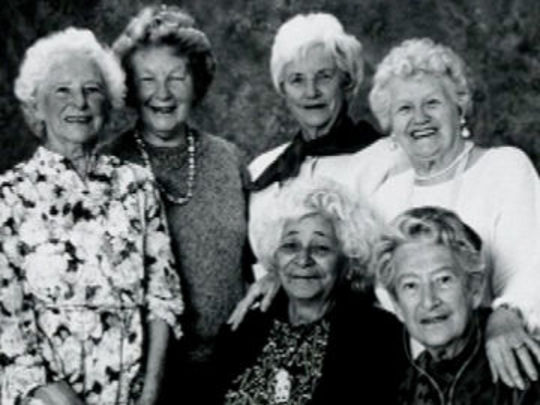
In Gaylene Preston's moving documentary, seven elderly women recall their personal experiences of World War II. Two of the interviews are featured here: Flo Small and Mabel Waititi. LA Times' Kevin Thomas enthused that Preston takes “a simple idea and turns it into a rich, universal experience”.
This doco goes behind the scenes of director Gaylene Preston’s account of her parents’ wartime experiences: Preston reveals that actor Tony Barry’s distinctive voice is almost a carbon copy of her father Ed’s; and Chelsie Preston Crayford talks about portraying her own grandmother.
This documentary gave NZ viewers, for the first time, a Turkish view of the Gallipoli story. Produced for TVNZ and Turkish TV, it focuses on four young people, two Turks and two New Zealanders, descended from Gallipoli veterans, as they explore the grim reality of their ancestors’ experience.
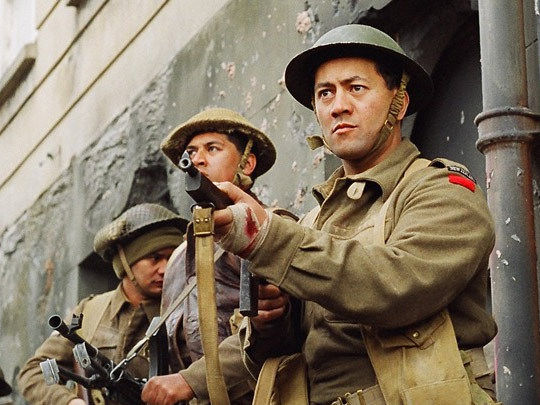
Six Māori Battalion soldiers camped in Italian ruins wait for night to fall. In the silence the bros-in-arms distract themselves with jokes before a tohu (sign) brings them back to reality. Directed by Oscar-nominated Taika Waititi it won international acclaim: honourable mention at Sundance and a special jury prize at Berlin.
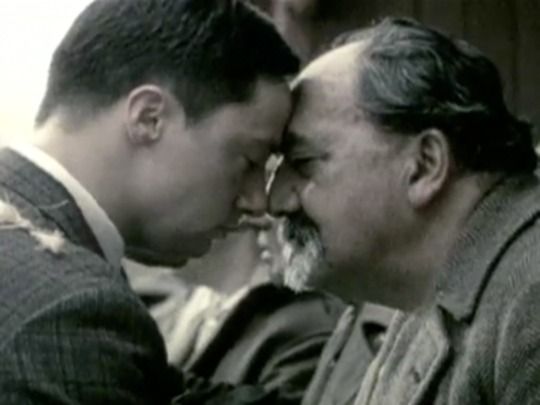
The story of the New Zealand Army's (28th) Māori Battalion, this Tainui Stephens documentary tells the stories of five men who served with the unit. Narration (by actor George Henare), remembrances, visits to historic sites, archival footage, create a stirring screen tribute.
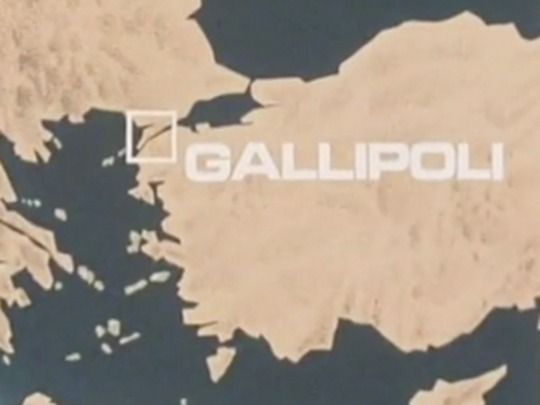
This seminal 1984 documentary tells the stories of the New Zealand soldiers who were part of the identity-defining Gallipoli campaign in World War I. In the ill-fated mission to take a piece of Turkish coastline, 2721 New Zealanders died with 4752 wounded. It won a Feltex Award for Best Documentary.
Actor Wi Kuki Kaa plays a Vietnam War veteran who is dislocated by his war experience and homeless. A moving short film about a man jolted to find his turangawaewae and the whanau that helps him get there. Directed by Peter Burger, it was selected for Critics' Week at Cannes (2003).
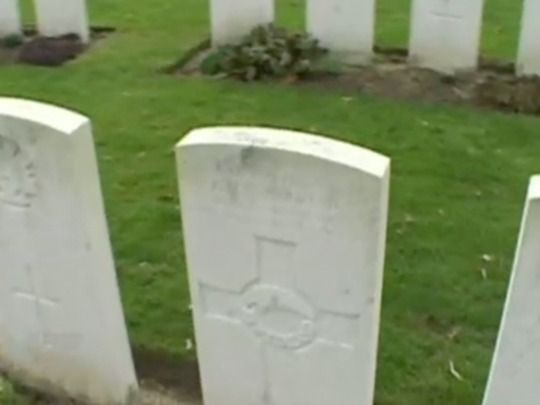
Actor Robyn Malcolm visits the towns of Passchendaele and Ypres in Belgium - near the cemetery where her great uncle, Private George Salmond, is buried, and reflects on his sacrifice on foreign whenua. Salmond, an ANZAC signaler, was among the 18,500 New Zealand casualties of World War I.
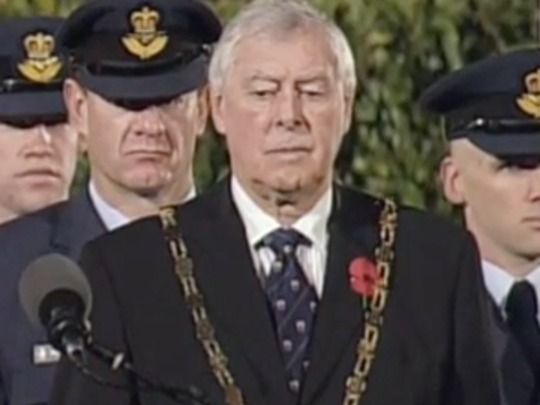
A live broadcast (for TV One) of the Anzac Day dawn service at Waikumete Cemetery. This service commemorates all service personnel who have served overseas for New Zealand. Waitakere Mayor Bob Harvey speaks, Returned Services Association members, politicians and the public lay tributes.
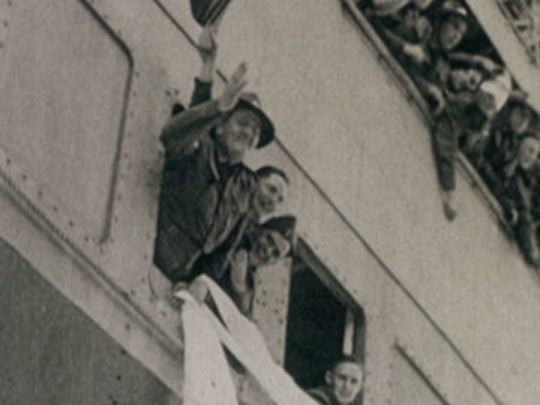
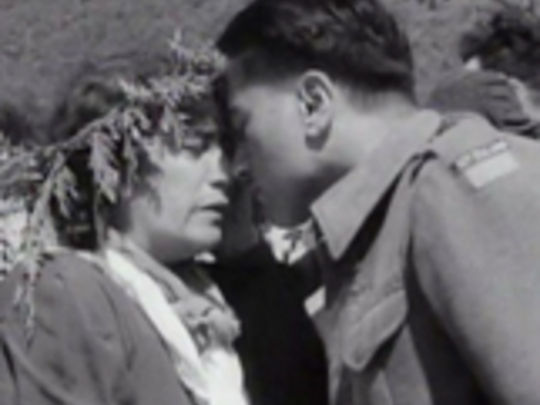
This newsreel features footage of Māori Battalion solders returning from WWII to Wellington Harbour. The soldiers are greeted with a huge powhiri and at the ensuing hakari at Porirua marae the kaimoana and pia flow freely. The reel then follows men returning home in Kuku and Ngaruawahia.
Director David Blyth chronicles the times at war of his bossy yet personable grandad and WWI veteran, Lawrence ‘Curly' Blyth, who died in 2001, aged 105. Curly fought on the Western Front and helped liberate the town of Le Quesnoy from German forces, winning the French Legion of Honour.
An annual television event from the Tomb of the Unknown Warrior at the National War Memorial in Wellington. Diplomats from all over the world lay wreaths, along with the Governor General and politicians. Broadcaster Ian Johnstone provides context via a knowledgeable and unobtrusive commentary.
A profile of the Returned Services Association on its fiftieth anniversary, taken from 1960s current affairs show Compass. The RSA’s varied roles include welfare, watchdog, and keeper of the flame. Curios include the Taumaranui RSA bar which makes a good return in a town that is officially dry.
Kiwis have gone to war in their thousands, and many have not returned, from the horrendous loss of life at Gallipoli to the decimation of the Māori Battalion. This doco explores the experiences of soldiers, and the families who waited at home. It also examines the long tradition of protest against war.
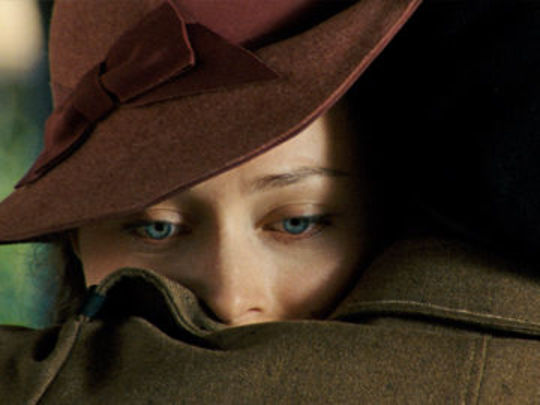
During WWII the Post Office photographed letters, enabling mass mailing to soldiers via rolls of film. Post Office worker Ngaire (Yvette Reid) deals with mail for soldiers serving overseas. In this short writer-director Paolo Rotondo explores how war, death and distance affect relationships.
This Gaylene Preston-directed doco follows a "mob of veterans" (the oldest is 95) on a 2006 trip to unveil a war memorial in London's Hyde Park honouring NZ's service in war alongside Britain. For many of the elderly vets it is their second OE; they remember war stories and lost mates, and endure airport drudgery and jet-lag.
Between 1964 - 1972, 4,000 young Kiwis volunteered for service in Vietnam. Itching to get out into the world, the OE thrills were soon replaced by the horrors of war. Worse, they returned home to an angry public. This documentary lets the soldiers tell their stories for the first time.
Political cartoonist Malcolm Evans tells his father's story of war through his letters and diaries, and through interviews. Major Hilary Evans was a World War II prisoner of war who escaped and lived rough in Italy's hills and mountains to avoid recapture.
Vietnam veteran Frank Metcalfe revisits the country he served in 35 years before as a young officer. This time accompanied by his son, soldier-turned-producer Matthew Metcalfe, he recollects, “I look at this place, and I can’t help but think what on earth were we doing.”
The historian and Te Ara general editor muses on memory, mourning and identity, and asks what the collection says about 'Anzac'. Read More >
Military historian Dr Chris Pugsley reflects on Anzac on screen: “[this collection] raises more questions than it answers, and so it should”. Read More >
Broadcaster Ian Johnstone considers: “that the responsibility for asking people to serve and fight, and perhaps die, belongs to all of us”. Read More >
This collection is an evolving onscreen remembrance of New Zealand and the 'Great War', leading up to the centennial of the war's beginning. View >
NZ On Screen would like to thank TVNZ, TVNZ Archives, Archives New Zealand, NZ Film Commission, the producers and production companies, colleagues and contributors who helped with the compilation of this Anzac Collection. We also wish to acknowledge the many New Zealanders these titles honour.
NZ ON SCREEN 2013
This website has been made with funding from NZ ON AIR ›