You are here:

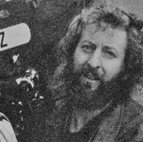
Derek Morton

Director, Editor

 Derek Morton

Biography

Although Derek Morton dislikes personal publicity, some details have been extracted for NZ On Screen.

Morton began acting while at school in the Taranaki. At Victoria University, he studied science then English literature, and "became keen to make arty films, but nobody else there believed that was possible". Morton was hanging out with a group of jazz musicians (including teacher Geoff Murphy and Bruno Lawrence) "who didn’t think it was possible either, but eventually became convinced".

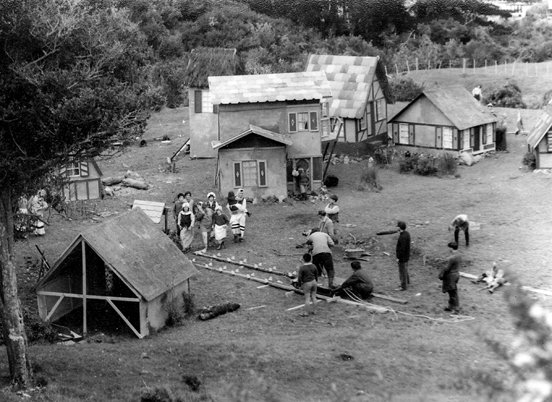
Morton was briefly employed on a 35mm golf film made for an American company. By 1963 he was on staff as a floor manager in the television arm of the recently-established New Zealand Broadcasting Corporation. Creative input was often limited; Morton got far more creative satisfaction out of work hours, making "little arty movies" and dragging others into the excitement of filmmaking. Among them, he persuaded Geoff Murphy that his school musical The Magic Hammer should be put on celluloid. It was the first film Murphy worked on.

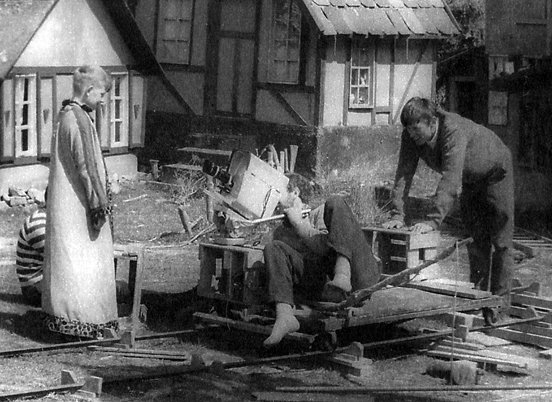
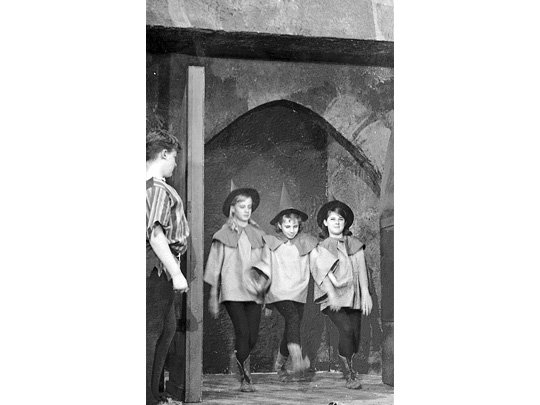
Begun in the mid-60s with short-lived production company MMCM (Morton, Murphy, Charles and Mori), The Magic Hammer saw Morton filling the roles of director, cameraman and editor. Murphy's primary school students took the main roles. The film was never completed, after Morton discovered the "near-impossible challenges of shooting a large-scale synchronised-sound opera with huge interior and exterior sets and a specially-built camera crane, on zero budget". He also learnt that "Geoff Murphy had a major flair for story invention, design and organization; that NZBC colleague John Charles was a fine composer/arranger; and that for developing home-made technical equipment Don Mori was bloody useless."

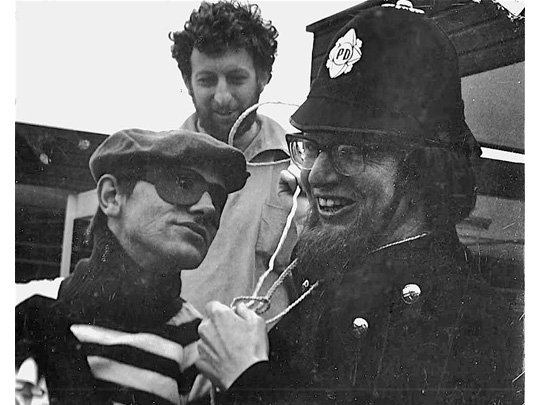
Murphy's own recollection is that Morton "was obsessed with filmmaking, and quickly infected Ian Mune with the bug". Morton could sometimes be seen following Mune around Wellington, filming Mune carrying an ornate bird cage (the idea was later retooled for short film Cage).

Morton was also behind the camera on the short film "which unleashed Bruno’s screen acting on the world". Shot late one night in a Wellington pub, Doctor Brunovski (aka Doctor Brunovski’s Castle) featured Bruno as a mad professor creating a monster - the footage (now lost) later screened during performances by the legendary Blerta

During his seven years at the NZBC, Morton rose from floor manager and cameraman, to writer, director and producer. He worked on many early Kiwi TV ventures into drama, comedy and performance (including L’Heure Espagnole, an hour long opera recorded in a single take). He wrote and directed for Sunday night 60s staple Looking at New Zealand, and was the key creative behind children’s show Kid Set. Morton got around head office's reluctance to make drama by incorporating a bank robber story into the show's second season. In 1970 Kid Set won an inaugural Feltex Television Award for Best Specialty Programme.

Aside from producing Country Calendar, Morton was also involved in "countless outside broadcasts", from sports coverage to a memorable early live cross during the news, when PM Keith Holyoake’s efforts to avoid some Vietnam protestors saw him entangled in a mass of camera cables.

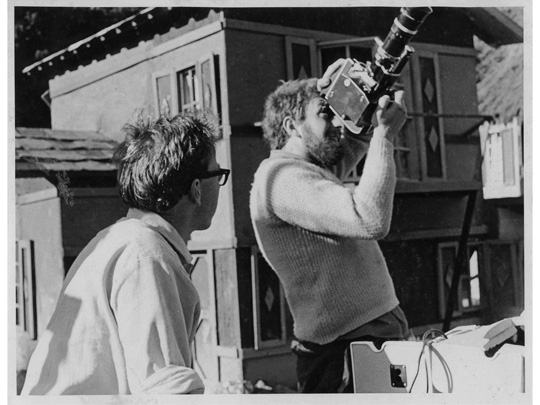
By the early 70s, the climate finally seemed right to try to make a living outside corporate television. Morton left the NZBC and set up production company Talking Pictures Ltd. There he produced, directed, photographed and edited commercials, plus the odd industrial film. Talking Pictures imported modern camera and editing equipment - at that point as rare as hen's teeth in the indie film scene - which would be used by a number of emerging talents, including Roger Donaldson, Vincent Ward, and staff at Pacific Films.

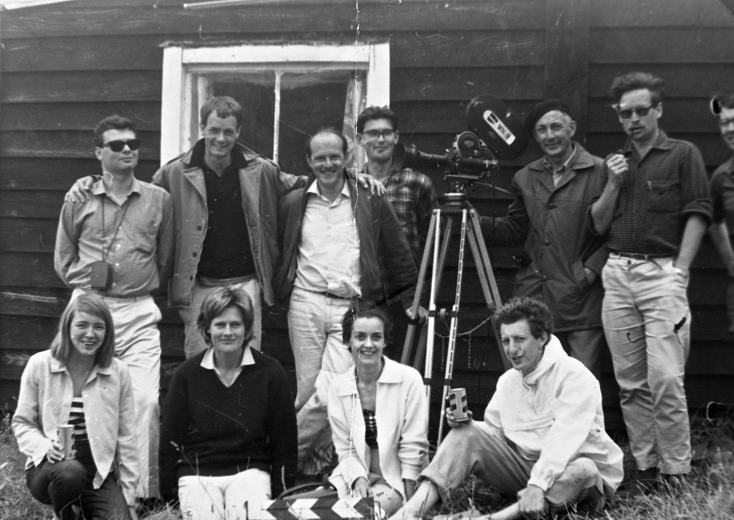
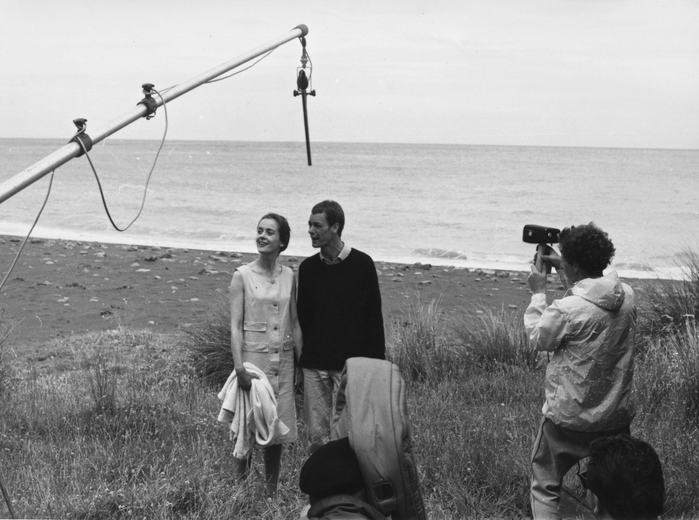
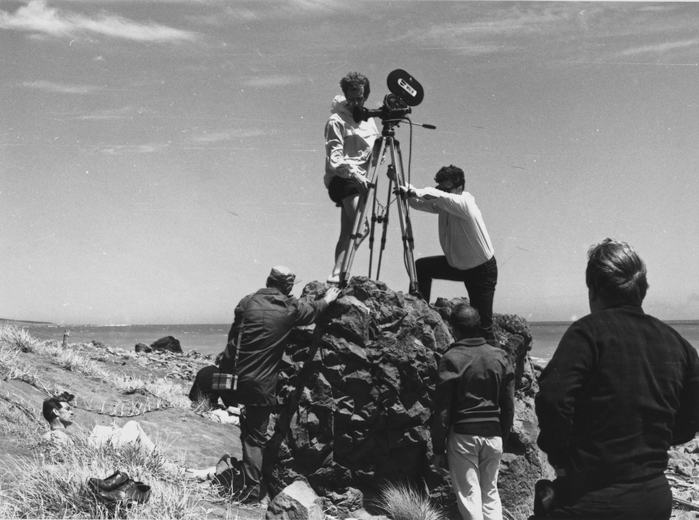
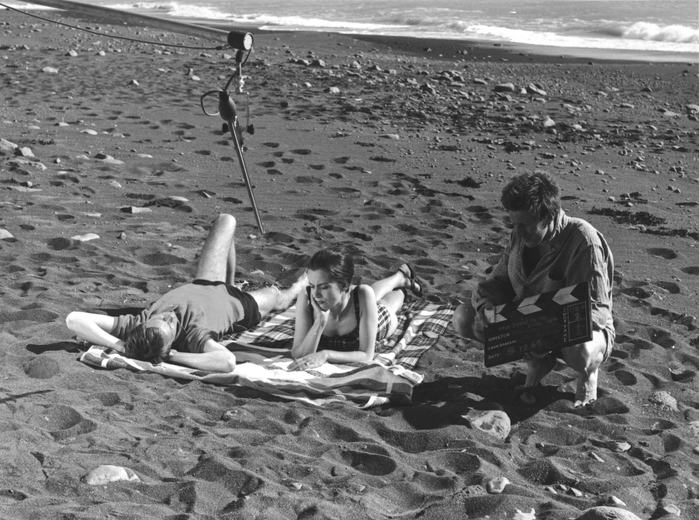
Morton wrote, directed, shot and edited two documentaries for television’s Survey slot. 1973's Trouble and other friends of ours saw Morton’s team ingesting muttonbird hearts and enduring ocean sinkings, while documenting a ‘cursed’ stone pot on an island down south. The technically-ambitious Dominant Species took a comical angle on Kiwis’ close relationship with their cars. Morton writes about it here.

In 1971 he was asked to set up a screen production course at Wellington Polytechnic's School of Design (now Massey University). Later he tutored part time - students included Fane Flaws and production designer Joe Bleakley. Morton was also helping out on a number of films made by his Blerta mates, and shooting early Gibson Group drama Old Man’s Story.

Morton’s editing prowess often saw him enlisted to tighten films, or help out in the post-production phase. Fresh from two years overseas, he was asked to work on the international cut of Geoff Murphy's breakthrough Goodbye Pork Pie. Morton also helped out on Smash Palace, both as an assistant director, and in the editing suite - helping editor Mike Horton tighten the final cut "in order to save Roger Donaldson having to take a splicer around the cinemas again".

Morton also wrote the first draft of comedy Carry Me Back, from a Joy Cowley story - it was Morton who introduced the memorable scene where Grant Tilly finally faces up to his dead father, now wrapped in a blanket. In 1985 he was asked to direct testosterone-packed feature film Wild Horses - "which, after rewrites, a change of producer, consequent loss of some crew, then unique management, was eventually finished by the producer in a manner not bearing much resemblance to the original intention".

He followed it by helming the debut episode of critically-praised drama Roche, and later  spent time on a square-rigged sailing ship off the Cape of Good Hope, juggling cameras and stormy weather.

Morton left New Zealand in 1986, to set up base in Sydney. Since then he has continued to work in advertising and film in a range of countries, locations and roles, sometimes credited and sometimes not.

Derek Morton has been a longtime deep sea diver, and lifetime member of the Upper Tasman Street Village Band, Circus, Light Show and Demolition Squad. He has never worked as a cowboy or taxi driver.


Sources include
Derek Morton
Geoff Murphy
Trisha Dunleavy, Ourselves in Primetime: A History of New Zealand Television Drama (Auckland University Press, 2005)