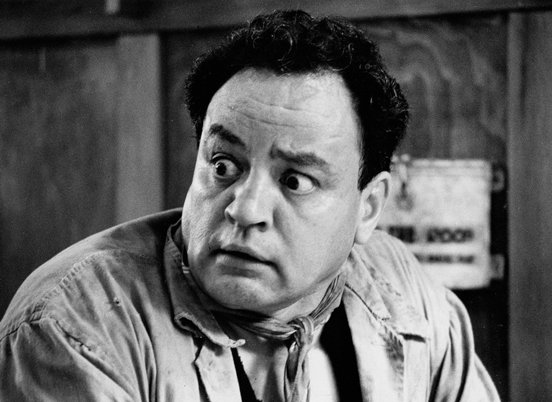
When Don Selwyn passed away in April 2007 at the age of 71, memorials to his talent and mana flooded in from Māori and Pākehā alike. Speaking at his tangi, director Ian Mune described Selwyn as "the bridge between our two cultures".
Selwyn championed Māori drama. Aside from his own work in front of and behind the camera, he was a mentor to many Māori actors, writers and directors - among them Temuera Morrison, Joanna Paul and a number of future key personnel at Television New Zealand, TV3 and Maori Television.
Don Selwyn was born in Taumaranui. His acting career began by accident after a Wellington theatre director heard his bass baritone voice, while he was working as an English teacher. Selwyn was a founding member of the New Zealand Māori Theatre Trust; acting and singing would take him from Wellington to Russia, Europe and Expo ‘70 in Japan.
One of Selwyn's earliest television roles was in New Zealand's first weekly drama seres, Pukemanu. In 1975 television producer Tom Parkinson, surprised that Māori working at Avalon television centre numbered in single digits, enlisted Selwyn to front a weekly comedy sketch set in an imaginary Māori television station.
Selwyn's long association with Parkinson would see him appearing alongside comedians Billy T James, David McPhail and Jon Gadsby, and working with Parkinson on the warrant application for TV3.
Selwyn's role on popular building site drama Moynihan (1976) saw him playing what appeared to be one of the only Māori chippies in existence. The same year he starred as a Māori doctor having to choose between old ways and new, in bi-cultural thriller Epidemic. The role could be seen as a precursor to his role as peacemaker Wiremu Tamehana in television's widely-seen historical epic The Governor.
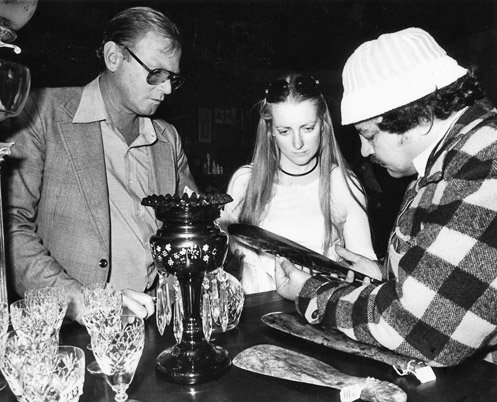
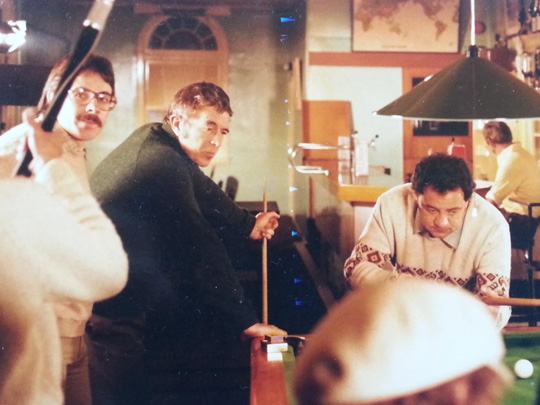
Policemen were a Selwyn staple. The best known was Sergeant Bob Storey, one of the lead characters in long-running rural drama Mortimer's Patch (1980 -84). Selwyn also played policemen in features Goodbye Pork Pie, The Lost Tribe, and Mauri.
From the early 70s, the former teacher had been nurturing young Māori keen to work in film, television and stage. Following a short-lived SPATS training course in the early eighties, Selwyn ran the film and TV course He Taonga i Tawhiti (Gifts from Afar) for many years. The course provided more than 100 Māori and Pacific Islanders with the technical skills to bring their own stories to the screen.
When the course ended, Selwyn helped found He Taonga Films - the aim being to move training into the world of making. The company produced Nga Puna, a series of half-hour dramas, one of which, the Selwyn-directed Koro's Hat, won him the Best Director award at the 1995 Indigenous People's Film Festival in Canada.
Selwyn's directorial debut had been six years earlier, on 1989's Variations on a Theme, part of the E Tipu E Rea television series. Selwyn also directed an adaptation of the Hone Tuwhare story Don't go past with your nose in the air! The short film was awarded Best Foreign Short Film at the 1992 New York Festival.
In 2002 Selwyn finally bought his dream project to the screen: The Maori Merchant of Venice, the first feature film made entirely in te reo Māori. The movie was based on a Māori language translation of Shakespeare's play which he had directed for the stage in 1990.
First Assistant Director Tony Forster recalled that Don had rehearsed the cast so thoroughly that they were filming for at least two weeks "without a single line fluff during any rehearsal or take".
"When I was going to school they brought Shakespeare in to colonise me," Selwyn said. "Now I've put it into Māori language I've colonised Shakespeare."
Selwyn also worked extensively as a casting director. His casting resume includes both Once Were Warriors films, and small town drama Jubilee (2000).
Don Selwyn died in 2007, leaving a huge legacy to a wealth of young talent he has nurtured over the years. He was 71.
Moe mai e te rangatira, moe mai.