You are here:

 Biography

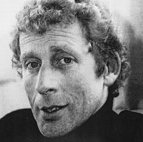
Keith Aberdein is a journalist turned scriptwriter, who has occasionally been known to act.

Born in Britain, Keith Aberdein grew up partly in Africa and Northern Ireland, then worked as a journalist in Hong Kong. He arrived in New Zealand in the 60s, and studied law at Wellington's Victoria University. After dropping out, Aberdein did a variety of jobs, including running an all-night coffee bar, an experience that would later help inspire television series Inside Straight.

The second half of the 60s saw Aberdein working as a reporter on nightly magazine show Town and Around, and current affairs programme Compass. He was fired from Compass in 1969 for refusing to change his script for a programme about the Chatham Islands. After the powers-that-be alleged the script lacked balance, it was rewritten by others. Aberdein was dismissed after refusing to provide a voiceover for the rewrite.

After some time in public relations, Aberdein returned to television - both as a reporter and with his first work in television drama, writing for the second season of landmark series Pukemanu.

Aberdein wrote prolifically over the course of the 70s, often on themes involving bi-cultural relations. His work included episodes of short-lived probation drama Section 7, Ian Mune trade union series Moynihan, and Aberdein's ambitious bi-cultural thriller Epidemic (1976) in which a Māori doctor (Don Selwyn) must choose between his Pākehā medical training and the ways of his ancestors.

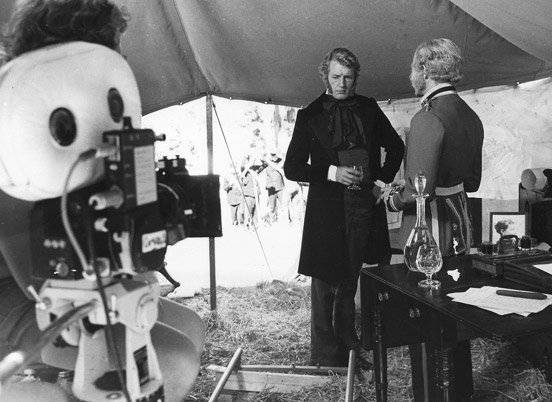
Aberdein followed Epidemic with a key series in the history of New Zealand television: colonial epic The Governor, based on the influential and controversial governor Sir George Grey. The six episodes were based on exhaustive primary research, and eschewed a chronological approach in favour of a thematic one.

Aberdein, series creator Michael Noonan, and producer Tony Isaac were well aware of the show's subversive potential. For Aberdein, The Governor was partly designed to challenge myths about "New Zealand smugness about what good chaps we were towards ‘our' Māoris."

The Governor won sizable local audiences, reviews that crossed the gamut, and a Feltex award for Aberdein's scriptwriting - plus controversy, after Prime Minister Robert Muldoon attacked the show for its expense.

The programme that showed Aberdein screenwriting might actually earn him a regular living was long-running soap Close to Home, based around an extended middle-class family. Aberdein was there at the beginning in 1975, penning the third episode, and would go on to write literally hundreds more, as well as directing, producing for an entire season, and occasionally appearing on screen.

In 1978 Aberdein penned moody psychological piece Rachel. The programme starred Barbara Ewing as an expat returning home to deal with her father's rural estate.

Over the next few years, Aberdein teamed up with his Governor colleagues Tony Isaac and Michael Noonan on a number of projects that come to nothing, thanks partly to fears they had little overseas appeal - among them a planned trilogy on WWI, and an adaptation of Bill Pearson's mining novel Coal Flat.

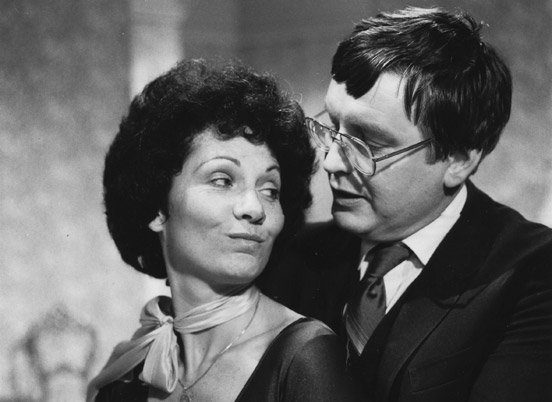
Stage two of Keith Aberdein's career was about to kick off - cinema. It began in 1979 with what he described as quite an easy job - turning the 10 scenes of Roger Hall's "excellent" play Middle Age Spread into the 54 scenes of the movie adaptation. This early Kiwi screen comedy won good audiences and positive reviews, with Variety praising Aberdein's "fine screenplay".

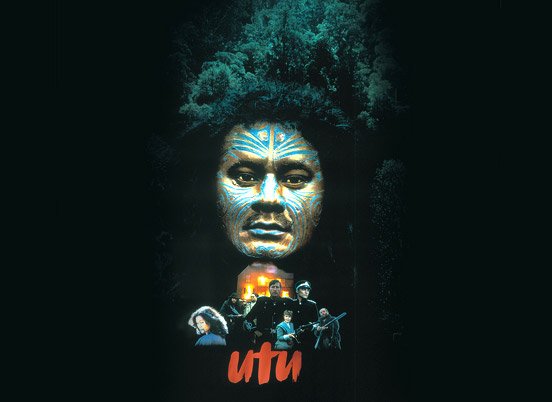
Aberdein went on to join the writing team for yokels-in-the-city comedy Carry Me Back, then worked with director Geoff Murphy crafting 1983 colonial movie Utu.

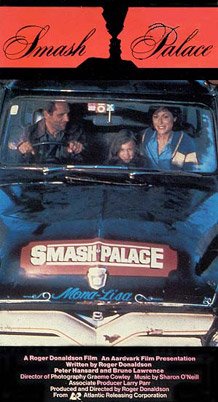
Director Roger Donaldson saw other talents in Aberdein. After working with him on the script of kidult romp Nutcase, and impressed by Aberdein's on-camera confidence as a television reporter, Donaldson gave him an acting role in an episode of rural TV drama Jocko. He then offered Aberdein a key role in screen classic Smash Palace, playing Bruno Lawrence's policeman friend turned foe.

Aberdein would be seen again on-screen in the testosterone-heavy Wild Horses, and Aussie TV soap Return to Eden.

In 1983 he worked on his last two Kiwi TV projects, prior to stage three of his career - Australia. First Aberdein joined Tony Isaac to research and explore the life of writer and foreign correspondent Iris Wilkinson, better known by her pen name of Robin Hyde. TV movie Iris combined re-creations of Wilkinson's life with a framing story involving a team of filmmakers bringing her story to the screen. Australian actor Helen Morse (Picnic at Hanging Rock) starred.

Aberdein was also co-creator - with Grant Morris - of colourful after-dark drama Inside Straight. Set in a world of criminals and hustlers, the series followed a young man (Phillip Gordon) who is taken under the wing of a streetwise taxi-driver (Roy Billing).

Wary of becoming part of the establishment, and keen to escape, Aberdein exited for Australia, and worked on period soap Carson's Law (1983) for Crawford Productions. Since then he has largely toiled in Australian television, including co-writing and associate producing Return to Eden, the series follow-up to the mini-series of the same name.

In 1994 Aberdein reteamed with Middle Aged Spread director John Reid for Kiwi-American dramatic thriller The Last Tattoo. Aberdein scripted this complex tale of a WWII murder investigation involving brothels and US marines. The cast included Kerry Fox and American veteran Rod Steiger.