Registering with NZ On Screen means you can:
We won't share your data with anyone (see our Privacy Policy) and we won't spam you. It's that simple.
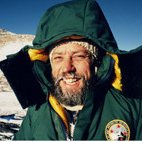
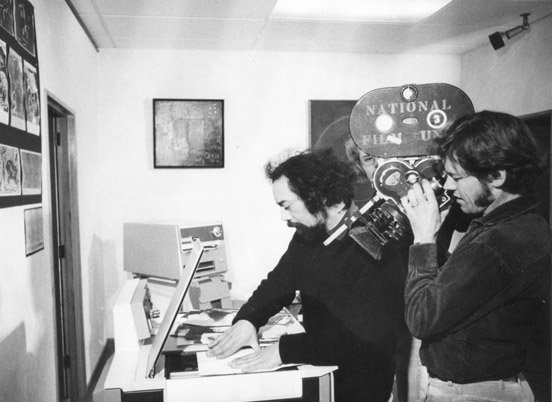
For more than a decade, Lynton Diggle was the only Auckland-based cameraman employed by the Government-owned National Film Unit.
Lynton Diggle grew up in Rotorua, Auckland and Otorohanga. As a child he had no idea what he wanted to do after leaving school: he was more interested in making stink bombs, learning violin and trying to play rugby. Encouraged by his parents to get a bank job, Diggle found it difficult to enter the front door for a job interview. After a suggestion from an English teacher, he decided to apply for a radio job instead.
Aged 17 Diggle began working at the New Zealand Broadcasting Service, writing scripts and helping compile music programmes. After seeing photographs Diggle had taken of expeditions into the Waitomo Caves, his boss suggested he join the National Film Unit, figuring that television was soon to grow into a major player.
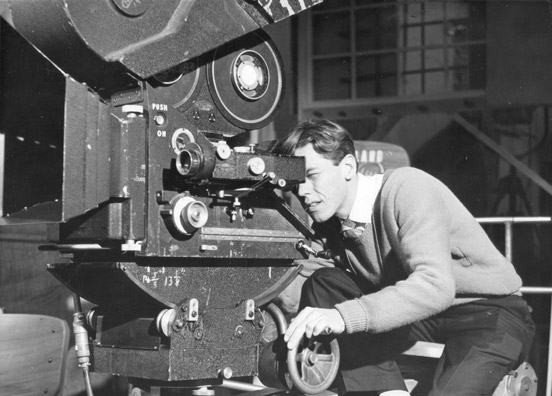
In 1957 Diggle began training as a cameraman in Wellington. It was a city he soon grew to loathe. Four years later, hearing that National Film Unit manager Geoffrey Scott was keen to establish an NFU cameraman in Auckland, Diggle threatened to leave the organisation unless he got the Auckland job.
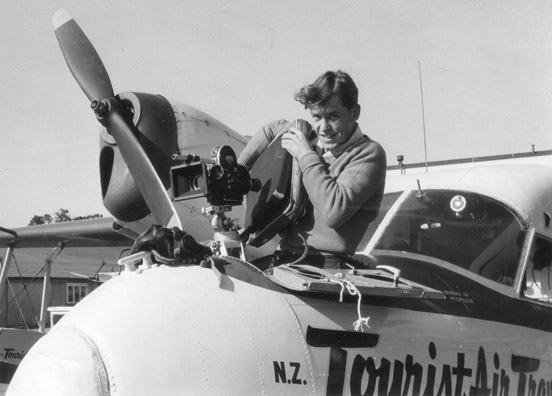
Though he shot some items for television, much of Diggle's work was for the NFU's Pictorial Parades, magazine shorts that screened before the main attraction in cinemas. Diggle was a prolific cameraman and director for the monthly series.
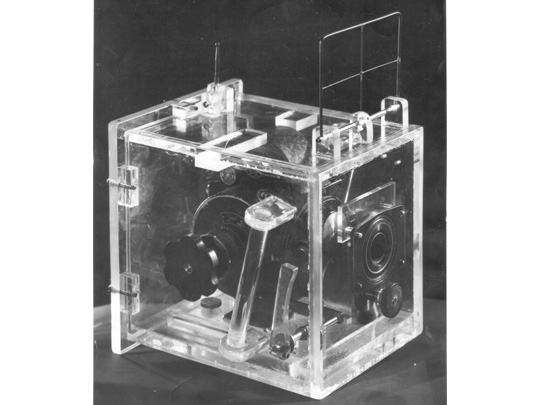
In the mid 60s, working with staff from Government department the DSIR, Diggle designed a see-through housing for what was likely New Zealand's first 35mm underwater camera. Diggle used the camera for a winter shoot in Lake Taupo.
The longtime diver would on a number of shipwreck films, and later travel to Tahiti, to work with legendary British filmmaking team David Lean and Robert Bolt. The Tahiti project was the doco Lost and Found (1979), which chronicled the discovery and salvage of one of Captain Cook's anchors.
The mid-60s saw Diggle taking a year's sabbatical from the NFU to work at Canada's National Film Board as a cameraman and director. His first job was filming in the Arctic.
In the years following his return, Diggle directed Pictorial Parade pieces on potter Barry Brickell and art restoration (Art Surgeon), which both won international awards.
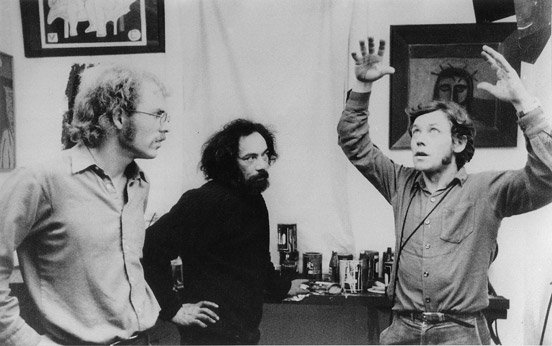
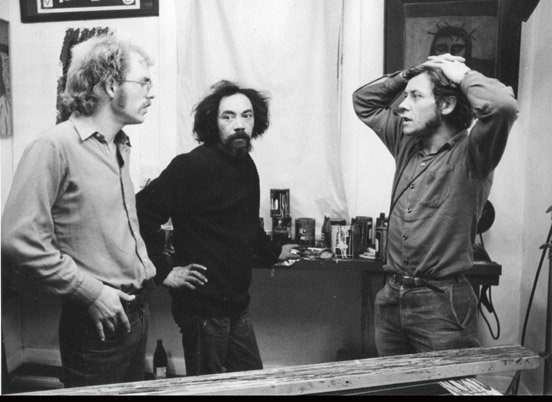
In the early 70s a number of NFU directors - Paul Maunder and Sam Pillsbury among them - began seeking new styles and subjects, instead of the familiar NFU diet of upbeat, tourist-oriented fare. Diggle found himself along for the ride: shooting Pillsbury's multi-faceted doco on artist Ralph Hotere, and collaborating with both Maunder and Pillsbury on kitchen sink story Gone Up North For A While. The latter film won controversy and a Feltex Award.
Gone up North director Maunder later praised Diggle's masterful handheld camerawork on the film, and his "wonderful feel for the actor, which with improvisation is absolutely essential".
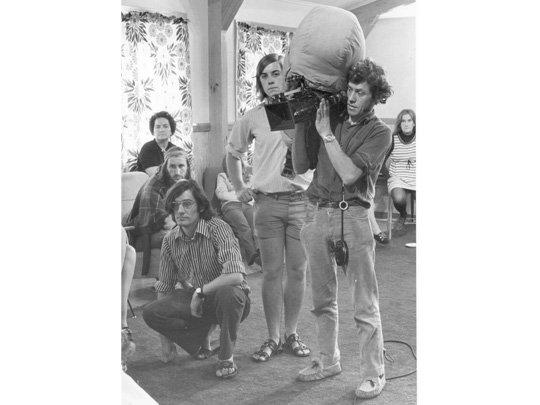
In 1975 Diggle was behind the camera on his first and only feature-length drama - Maunder's Landfall, an edgy, downbeat portrait of communal living in disintegration. The cast included fellow NFU filmmaker Sam Neill (who Diggle worked with on ski film Flare) and Jonathan Dennis, who would later found the New Zealand Film Archive.
Diggle left the Film Unit in the early 80s, after 24 years with the organisation. He formed production company Film New Zealand, where he directed and produced a number of short films, including documenting shipwrecks for salvage companies. Three of his shipwreck films (The Duke, Waigani Express, President Coolidge) have won international awards.
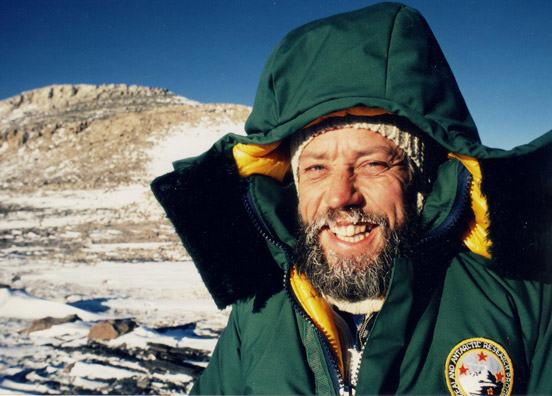
He also continued to work on the occasional NFU production, including commanding the Antarctic crew on 1983 doco series The Big Ice. Diggle retired from filmmaking in 1986, and joined his sometime sound recordist wife Edith in researching shipwrecks.
In 2007, working with author Keith Gordon, the Diggles updated the eighth edition of the volume New Zealand Shipwrecks.