This Place is as Boring as Hell: Revisiting No. 2 during Covid-19 Lockdown Level 4
This year on New Years Day, I went to the cemetery to pay my respects to my grandparents and uncles. I ran into my cousin Barry who was there doing the same thing. He told me I should take a drive through the old neighbourhood in Mt Roskill. I wasn’t prepared for it to feel like such a graveyard. The whole place was getting transformed. The old Housing Corp state houses were getting bowled to make way for newer, better homes that take up less space. The quarter-acre sections were disappearing. It was almost fifteen years to the day that we started preproduction on No. 2.
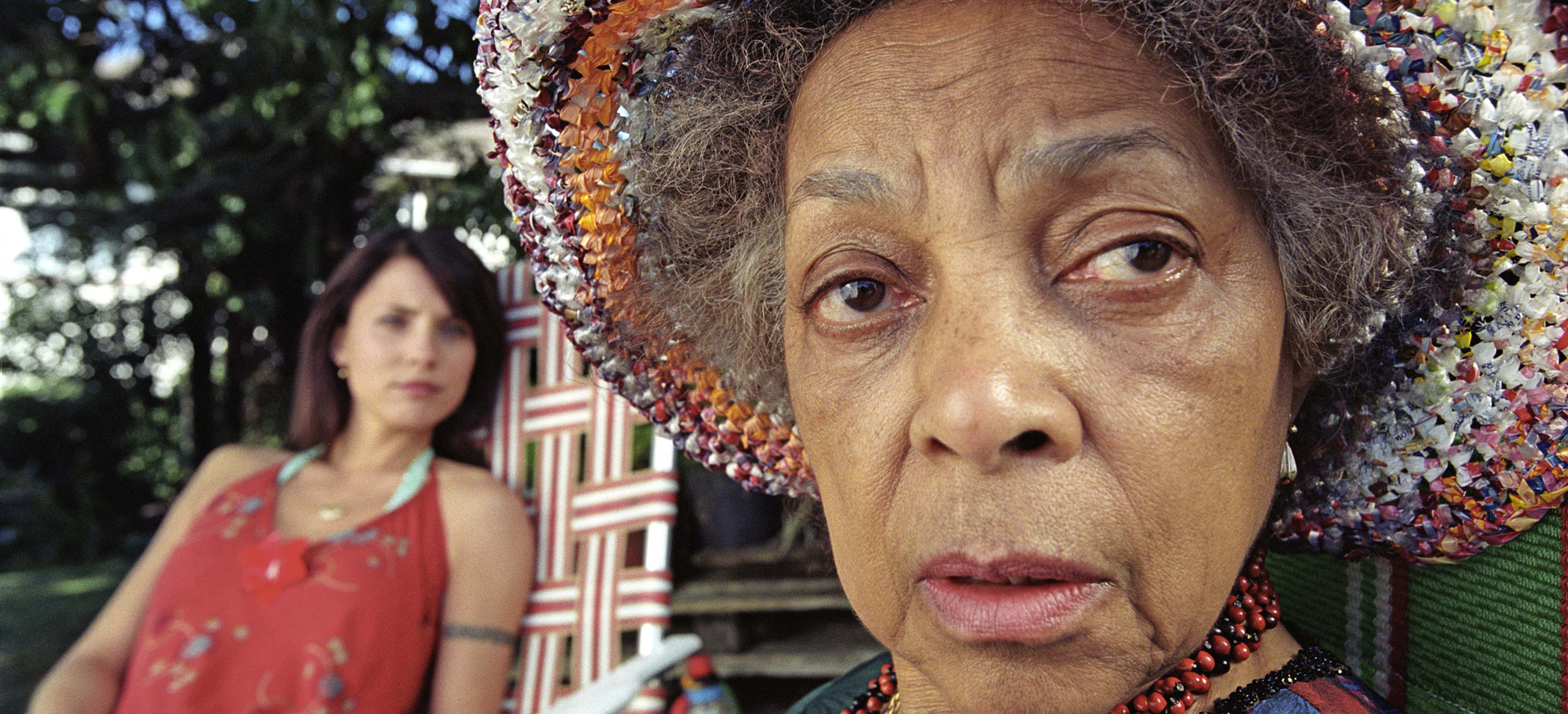
The house on Roseman Ave where we shot No. 2 was about to be removed. At that house Ruby Dee had held court as Nanna Maria, the head of a large Pasifika family, and demanded they come together for a common cause. In those front steps, she stepped out and felt the spirit of a new generation breathe life into her old home. It was out of that front door that Leon Narbey’s seamless crane shot swooped up into the sky at the end of the movie (that was a cool day in the neighbourhood: crane day).
My family immigrated from Fiji to Mt Roskill in the 1940s, one of the first Pacific families in what has now become one of the most diverse communities in New Zealand. The whole area was dry, too, until the late 90s — although that didn’t stop my grandmother and her relatives and pals from knocking back the gin at home. Nor did it stop my uncles from heading to "the library" (Richie's pub on the the corner of Stoddard and Richardson) for a talanoa.
The story of No.2 really began to take shape in my uncle’s backyard in Mt Roskill, in the summer of 1999. We were sitting around drinking and barbecuing, and I began telling my teenage cousins how I was going to write a play set in this neighbourhood; a story with lots of food involved, maybe some sort of ceremony or ritual, kind of inspired by Spike Lee's Do the Right Thing and a character who was a bit like King Lear and The Godfather. I also said that I wanted to make it as a movie later. They were impressed like "uh-huh", only sort of impressed — which wasn't bad, given they were more focused on mourning Tupac.
In 2001, Fijian playwright Larry Thomas invited me to Suva as a writer in residence at the University of the South Pacific. I wrote the first draft of the screenplay for the movie there, two years after the play opened. Everyday I would go to the little shop on campus and get a curry roti parcel for breakfast, before writing for a few hours. At 11 o’clock there would be a bang on the floor, and I’d go downstairs to have a few bowls of kava in the store cupboard before going back up to my office, to have a sleep on the floor under the fan. A few weeks later I finished the draft; that day [writer and academic] Epeli Hau’ofa picked me up in his ute and took me for a swim in a waterfall, and for a late night grog session where we laughed about the name of his cat Tojo, which he thought was the name of the henchman in Goldfinger.
The day I first met Ms Dee in person, she had been in Auckland for only a few hours. When I went into the hotel room, she was on the phone to her husband Ossie Davis. We talked about all kinds of stuff: the Fijian language, Halle Berry, Malcolm X, P Diddy, family history, Martin Luther King. I felt deeply honoured that she had come all the way from New York to New Zealand, to help us make our movie. We were scheduled to start shooting in two weeks.
Ossie Davis died that night in Florida. Ms Dee was on a plane back to New York 24 hours after arriving in New Zealand. Before she left, she said to me "they dimmed the lights on Broadway for my husband". Then she added "I’m looking forward to coming back and celebrating life with you". She went back to Harlem, to practically a state funeral, where Harry Belafonte, Maya Angelou, and Bill Clinton spoke. She came back to Mt Roskill two weeks later.
No. 2 was the first thing I directed. I hadn’t done any short films or music videos. I had written some plays and screenplays and hung around on sets a bit, but I was a novice. So, keen to make a statement on the first day, I tried to do what director Sidney Lumet recommends in his book Making Movies. He says try to schedule an unimportant shot up first, so that it’s quick to set up, and you can do one take and yell "CUT! PRINT! WE’RE MOVING ON!" and the crew will go "whoa, this guy means business".
But for whatever reason, the first set up ended up being one of the most important shots of the movie, when Nanna steps out and surveys her backyard. We set up a Visconti-inspired track so the camera could move in towards her as she came out…it’s a pretty tricky shot. The dolly grip has got to push the camera several metres from a cold start, and land it smoothly at the same time as she comes to a stop; the focus puller needs to keep her sharp as the distance between her and the lens changes. And this is an 83-year-old esteemed screen legend who’s just got off the plane from New York, doing her first shot. She’s probably going to want a couple of takes.
Ms Dee and the camera hit their marks on the first take. I guess I thought that works for me — I yelled "CUT! PRINT! WE’RE MOVING ON!". Then I can’t really remember what happened until my good friend, producer Tim White, who was far more experienced than me, came up quietly and said, “First of all, we’re printing everything. Second, you need to do another take.”
And I was like Eddie Murphy in Raw: OK. Kind of like that GIF of Homer Simpson walking backwards into a bush.
The Tongan family who had moved out of the house to let us shoot there prayed every day for it not to rain. I wanted No. 2 to be set on one hot, sunny day, like Do the Right Thing. That idea creates some challenges if you’re in a backyard in New Zealand, trying to maintain the same light over about 30 days. Grant McKinnon, the gaffer [the chief electrician], said this was just about the sunniest movie ever made in New Zealand. It did eventually rain one afternoon. Ms. Dee had just finished saying her speech at the feast, and the heavens opened. We went home early that day.
Ms Dee had arrived in Mt Roskill on the understanding that it was quite a poor area. She had tears in her eyes when she said to my aunty, "You’re so lucky to have a mountain". For as long as I can remember, Mt Roskill has been a romantic, mythical place. In the stories I heard as a child growing up in England, Mt Roskill was one part Mt Olympus and one part Big Whiskey: a place where powerful, immortal figures sat around with their ambrosia, a place where passions ran wild, and whisky was poured, not sipped. Parties would start at 9.30 in the morning and finish 48 hours later, just in time for the weekend.
Only later did I learn that Mt Roskill was supposed to be the opposite of the way I’d always known it — apparently it was supposed to be the boringest place in the whole wide world, where common sense New Zealanders could nurture their families in a safe environment. The only common sense in our vision of Mt Roskill was the common sense to realise the important things in life: laughing, singing, dancing, fighting, eating…connection. These things were the stuff of our Mt Roskill, our New Zealand, our world. A place to celebrate life.
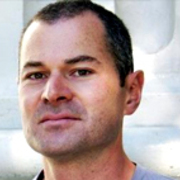
- Toa Fraser's acclaimed second play No. 2 debuted in 1999. Since then he has directed for film, television and stage, including te reo action movies (The Dead Lands), ballet documentaries, and global TV shows (Penny Dreadful, The Terror, Daredevil).
Back to top
A Perspective
By
Richard King
22/11/2008
Few movies start off as theatre monologues — especially when they have large ensemble casts like this one. No. 2 (known as Naming Number Two in North America, to avoid any scatological connotations) is one that made a successful transition. While its theatrical roots are sometimes evident and the story follows a well-trodden path, you forgive it for any lack of originality because it has such an authentic feel. The cast — and there are many — are uniformly good, and they're aided by a well-written script that rarely puts a foot wrong. This is a film that wears its beating heart proudly on its sleeve.
Along with Sione's Wedding (released the same year) No. 2 was part of a renaissance of Pasifika pop culture in New Zealand (alongside chart toppers like Scribe and Nesian Mystik in music, and bro'Town on TV). Many of these performers were children of the migration of Pacific Island workers to New Zealand in the 1960s and 70s.
Although second generation PI, director Toa Fraser's background was not typical. Fraser's mother is British and father Fijian; he grew up in the United Kingom (where his father worked as a broadcaster for the BBC), and moved to Auckland when he was a teen. He describes No.2's story as a love letter "to family, to friends, to life".
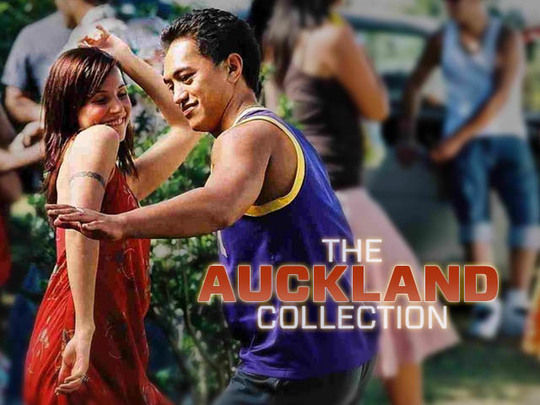
Mt Roskill is also a recipient of his affection. Fraser's father's family have lived in the Auckland suburb for more than 50 years, and as he describes in his backgrounder above, it had long struck him as a romantic, mythical place (read Fraser's reflections on his adopted hometown here, in his introduction to NZ On Screen's Auckland collection).
The original No. 2 play was written in 1999, when Fraser was in his mid 20s. He wrote it in collaboration with young actor Madeleine Sami, who performed all of the characters. It won the Festival First award at the Edinburgh Fringe Festival, and ended up touring successfully to Jamaica, Fiji, Mexico and Australia. Adapting it into a screenplay took Fraser almost four years, working closely with his producers and script consultants.
Finding the right actors was essential, and Fraser credits veteran casting agent Di Rowan for "helping him make some good decisions". The two succeeded in assembling a fine team who, while from a variety of ethnicities, brought exactly the right spirit to the film. Pivotal to No. 2 was the role of Nanna Maria. Looking locally first, they couldn't find anyone with the mana required to bring this feisty old matriarch to life, so they decided to cast their net more widely. Always at the back of Fraser's mind was veteran African American actor Ruby Dee — it was her performance in Spike Lee's Do The Right Thing that inspired him to write No. 2 in the first place. To Fraser's delight, the New York-based 80 year old accepted.
Also from the other side of the world came Tuva Novotny, a young Swedish actor who already had a slew of films under her belt. When the actor already cast for the role suddenly pulled out, Novotny was auditioned via webcam. She got the thumbs up, and arrived two days later.
Central to No. 2 is the soundtrack, thoughtfully assembled by Don McGlashan. He also wrote some of the songs and music, including the rousing, gospel-inspired lead single Bathe in the River, featuring singer Hollie Smith (which topped the local pop charts). An intimate scene between Nanna Maria and her granddaughter gets added emotional heft thanks to a soaring aria from Pietro Mascagni's Cavalleria Rusticana.
Cinematographer Leon Narbey, responsible for the classy look of so many New Zealand features, does a great job with this one too. A slow pan that turns into a breathtaking crane shot at the end provides a perfect resolution to the drama.
Reviewers were mainly won over by the film's heart. Variety said "assured handling and an appealing cast make this a deserving crowd-pleaser". Some found the film a bit clichéd and formulaic, but most noted fine performances and earthy charm. Philip Matthews, in The Listener, called the film "warm and enjoyable", focusing mainly on Fraser's loving portrayal of Mt Roskill.
Although it didn't make a big impact at the New Zealand box office, No. 2 was invited to a number of international film festivals, including the Panorama section of the Berlin Film Festival, and the Sundance Film Festival in Utah, where it won the Audience Award in the World Cinema Dramatic section. It also won four New Zealand Screen Awards, for composer Don McGlashan, and actors Ruby Dee, Mia Blake and Rene Naufahu.
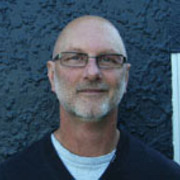
- After helping organise the Out Takes Film Festival, Richard King went on to direct Sydney's Mardi Gras Film Festival from 1999 to 2003. In 2007 he programmed the NZ International Film Festival.
Back to top