00:00
/
00:00
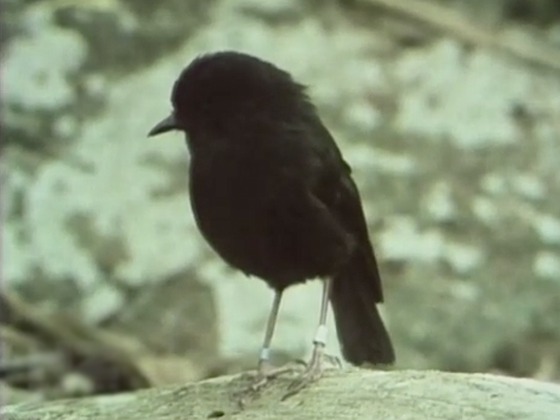
Seven Black Robins
Television (Full Length) – 1981
By 1976 there were only seven Chatham Islands black robins left. It was the world's rarest bird. In a bid to save the species, the surviving birds were taken from one island to another more hospitable island in a desperate rescue mission. This was part of an incredible conservation success story led by Don Merton and his NZ Wildlife Service team. Seven Black Robins and Project Takahē captured viewers' imaginations as part of an acclaimed series of 'rare bird' films that screened on TV series Wild South. They helped forge the reputation of TVNZ’s Natural History Unit (later NHNZ).
When we filmed that very first robin being released there was just the sound man [Merv Aitchison] and myself, Brian Bell (the leader of the expedition) and Tony Billing (a Wildlife Service trainee). We saw the box lid open and the little bird flew out. Tony stood back and said, "Oh! Corker! Corker! Corker!"– Cameraman Paul Donovan on the release of the first black robin on Mangere Island, in 1988 book Wild South: Saving New Zealand’s Endangered Birds, by Rod Morris and Hal Smith
Key Cast & Crew
See all 7 credits



Acknowledgements
Made in cooperation with the NZ Wildlife Service
Categories
If you liked this, you might also like...
Wild South
TVNZ’s Natural History Film Unit was founded in...
The Nature Collection
This collection showcases New Zealand's impressive record...
Kiwi Ingenuity
Embodied in heroes from Pearse to PJ, Kiwi ingenuity is a...
The Bird Collection
A collection devoted to our feathered friends — from...
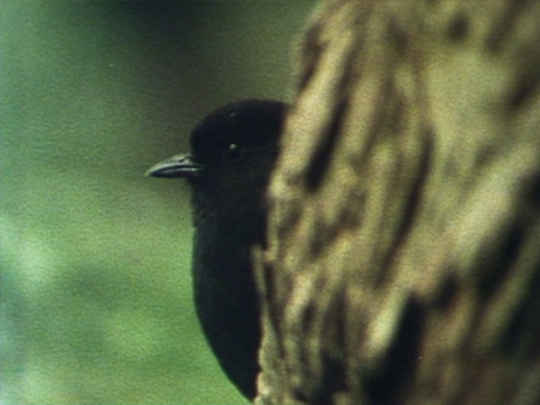
The Robin's Return
The next edition in the black robin story
The Black Robin - A Chatham Island Story
Follow-up doco featuring footage from Seven Black Robins
The Edge of Extinction
Documentary about saving the kākāpō
In Search of the Moa
Documentary about New Zealand's legendary moa
The Unnatural History of the Kākāpō
Another dramatic conservation story
Kea - Mountain Parrot
Award-winning bird doco directed by Rod Morris
Project Takahē
Another early Natural History Unit documentary
Moa's Ark
Another NHNZ series involving Peter Hayden
The Black Stilt
Another dramatic rare bird story from Rod Morris
Birdland - First Episode
A 2009 series on NZ birds
Old Man's Beard Must Go
Features more smothering plant devastation
Ghosts of Gondwana
Award-winning natural history
Weekly Review No. 437 - Ornithology ... Notornis Expedition
Film about the rediscovery of the takahē
Restoring the Mauri of Lake Omapere
Another conservation story
Looking at New Zealand - The Fight to Save the Saddleback
Skills used in the bird rescue were pioneered here
Kāpiti Hono Tātati Hono - My Island, My Home
Bird sanctuary Kāpiti Island
Emperors of Antarctica
Another NHNZ title featuring many of the same crew
Two Days to Soft Rock Cafe
More intrepid camerawork from Paul Donovan
The Adventure World of Sir Edmund Hillary - The Sea Pillars of Great Barrier
Cliff climbing with Edmund Hillary
Island of Strange Noises
Another classic early NHU documentary
Kākāpō - Night Parrot
Another Wild South 'rare bird' doco
A Whale Out My Window
More rare wildlife in remote places
Tales from Te Papa - The Tale of the Hakawai
Mini documentary about an unusual extinct bird
The Sea Decides
Another high stakes mission
Grandma
Another documentary about a legendary manu
Rohe Kōreporepo - The Swamp, The Sacred Place
Documentary about restoring NZ's wetlands