00:00
/
00:00
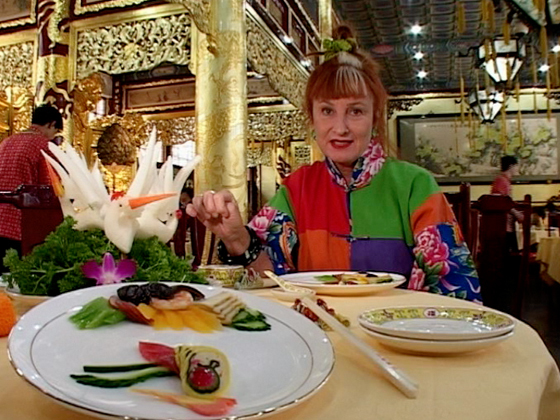
Taste Takes Off - Beijing
Television (Full Length Episode) – 2005
In her second series of culinary globetrotting, chef and author Peta Mathias visits Beijing to explore the food of Northern China. She finds a cuisine shaped by harsh winters and scorching summers — and influenced by Mongol invaders and centuries of imperial dynasties (but Mao’s heyday is only glimpsed in a theme restaurant run by an American). A night market offers delicacies including locusts, scorpions, cockroaches and silkworms, and Peta investigates Peking Duck, the ubiquitous dumplings and just a few of the ways that duck eggs can be preserved.
People around the world are still proud of their food traditions and they are thrilled to share it with someone. It's so important not to let go of your indigenous cooking traditions; lose them and you lose part of yourself.– Peta Mathias (programme publicity)





Categories
More Information
If you liked this, you might also like...

Taste Takes Off
Author, chef, bon vivant and redhead, Peta Mathias has...

Intrepid Journeys - Bolivia (Peta Mathias)
More travels with Peta

Hudson and Halls - Episode Seven (1982)
More Kiwi culinary vibrancy
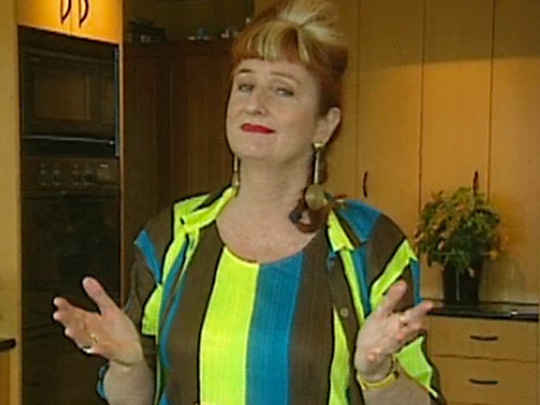
A Taste of Christmas
Peta celebrates Christmas food

A Taste of Home - Brazil
Peta explores Brazilian cuisine
Gung Ho - Rewi Alley of China
A famous Kiwi in China

Intrepid Journeys - China (Katie Wolfe)
Another Kiwi visitor to China

An Immigrant Nation - The Footprints of the Dragon
The Chinese experience in New Zealand
Kia Ora Ni Hao - Episode Three
Another NZ traveller samples Chinese street food
Kaleidoscope - China Ballet: A Week in Beijing, A Bit Less in Shanghai
Another visit to Beijing

2 for Todd - A Profile of Mark Todd
Also directed and produced by Chris Wright

Sidewalk Karaoke - Series Two, Episode 12
Another night market
Alison Holst Cooks - Bread and Cheese
An older cooking show
Karena and Kasey's Kitchen Diplomacy - First Episode
More Kiwi chefs in Asia
Real Food for Real People with Jo Seagar - First Episode
Another famous Kiwi chef

Intrepid Journeys - China (Miriama Smith)
Kiwi actor Miriama smith tours rural China