00:00
/
00:00
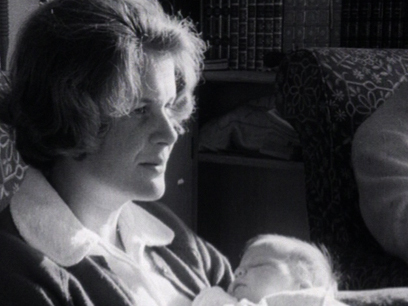
The Street
Short Film (Full Length) – 1973
This NFU documentary visits a street in a relatively new subdivision in Meadowbank in East Auckland to provide a fascinating slice-of-life look at the early 1970s ideal of raising a family and owning a house in the suburbs. The subjects are a largely homogenous group — Pākehā couples in their 20s or 30s with school aged children and a stay-at-home wife. Issues canvassed include paying the mortgage, raising children, social unrest, promiscuity and abortion; but the experience of women as housewives and mothers in the suburbs is the underlying story.
I think she’d like to have money of her own but whether she’d spend it wisely is another matter.– Husband
Key Cast & Crew
See all 8 credits




Acknowledgements
The credits thank the people of Gowing Drive who are interviewed and filmed in their daily lives.
Music
Features 'Tell Me Why' by Neil Young
Categories
More Information
If you liked this, you might also like...

Auckland
This collection celebrates Auckland onscreen. Reel...

Kiwi Architecture
A collection that shines a light on architecture in New...
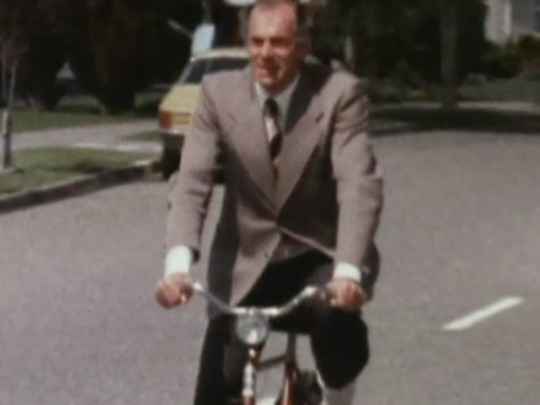
Johnstone's Journey - Settling for Suburbia
Another view of 1970s Auckland suburbia

The Evening Paper
1960s TV drama about life in the suburbs

Loose Enz - That Bread Should Be So Dear
TV drama about marriage
Gone up North for a While
Early 70s NFU drama about an unmarried mother

Buck House - Escorts Unlimited Ltd
A lighter look at singles life in the 70s
The City And The Suburb (part two)
Hamish Keith looks at NZ housing in 1983
Pictorial Parade No. 98 - Expanding Auckland
Auckland growth

Westside - First Episode
This series was partly inspired by this documentary

Down and Out on the Waitematā
Also directed by Rob Ritchie
Kaleidoscope - Town Planning
1985 examination of Auckland urban design
Running for Empties
NFU documentary on a milk delivery run in the 1980s
Making New Zealand - Construction
Documentary about the history of NZ housing

Compass - The Islanders
A 1960s report on Polynesian life in suburban Auckland