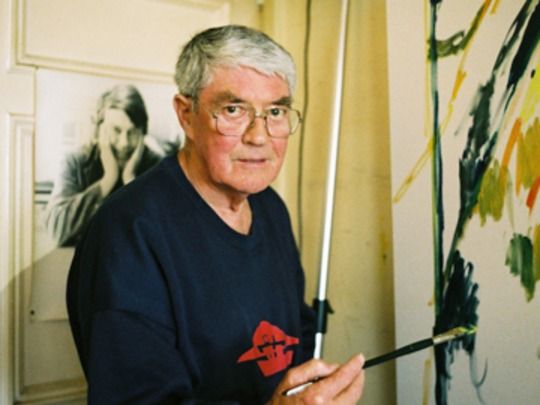
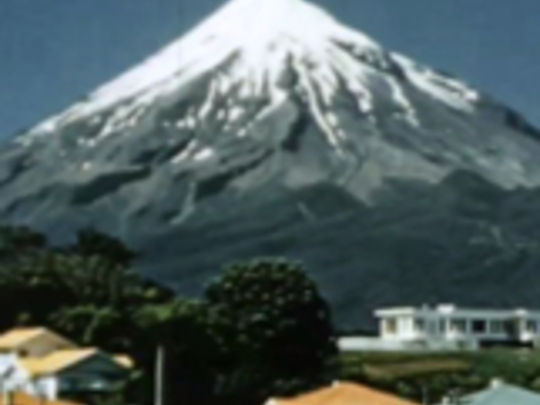
Shot and directed by Brake, this tourism promo surveys NZ mountain landscapes. Stunning imagery: ethereal ice forests, lightning storms, volcanic craters, glaciers, and avalanches, is accompanied by James K Baxter-scripted narration. It was the first NZ film to compete for an Oscar, in 1959.
Mount Cook
Short Film, 1951 (Full Length)
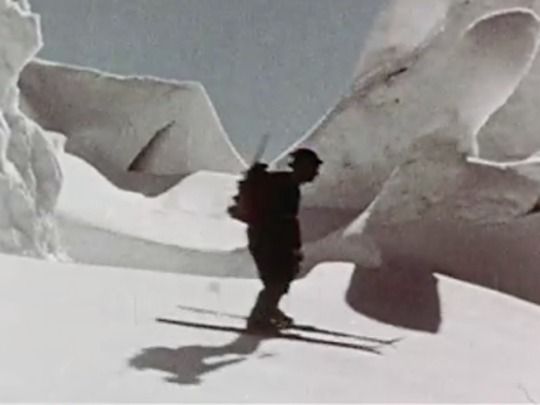
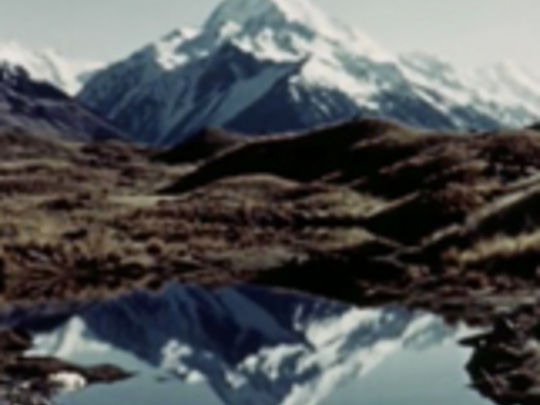
This was the first NFU film to feature Brake’s mountain imagery in glorious blue and white colour. Brake coaxes breathtaking images of the cloud-piercing mountain (and a rollicking snow fight) as skiers wander closer to Aoraki/Mt Cook to get a better look, then demonstrate the joys of descent.
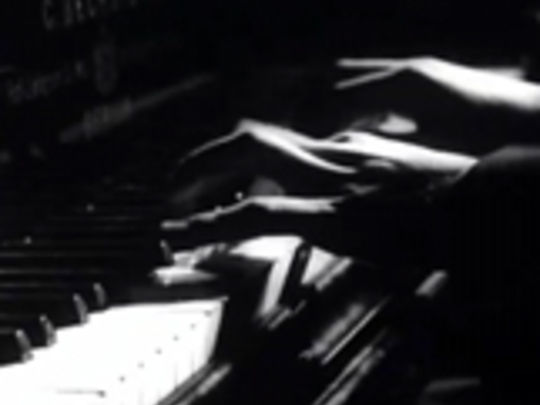
This magazine newsreel mixes buried Tarawera treasure with a classic Brake-shot performance piece. The final piece showcases the musicianship of Kiwi pianist Richard Farrell and Brake’s moving image talent, as moody studio lightning and lively compositions frame Farrell's performance of a Chopin waltz.
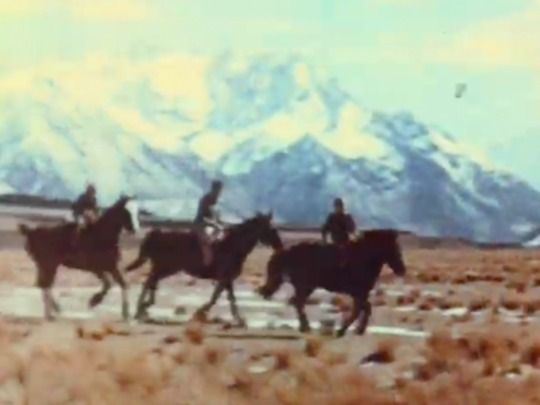
The rugged challenges of farming the vast aprons of the Southern Alps are captured here by Brake and Bob Kingsbury. The centrepiece is the great autumn muster where 16,000 sheep are worked down from “the tops”. “It's mutton every meal out here - we chase sheep every day and eat them every meal.”
Aspiring
Television, 2006 (Excerpts)
The doco revisits an attempt by Brake, leading an all-star art team — James K Baxter as scriptwriter, composer Douglas Lilburn and painter John Drawbridge (all under 30) — to make a 'cinematic poem' about an ascent of Mt Aspiring. View an excerpt and original footage of the never-completed film.
Waitomo
Short Film, 1950 (Full Length)
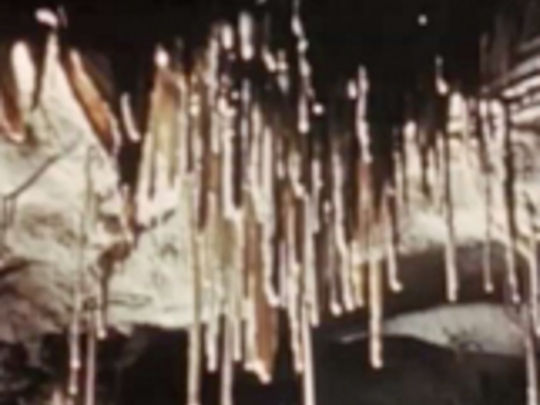
This Brake-shot short features the first 'official' colour footage of the Waitomo Caves. Organ music accompanies the tour party as they enter limestone grottos, then float down an eerie underground river. Meanwhile the narrator reduces earlier cave explorations into a tale of a lone white man and his candle.
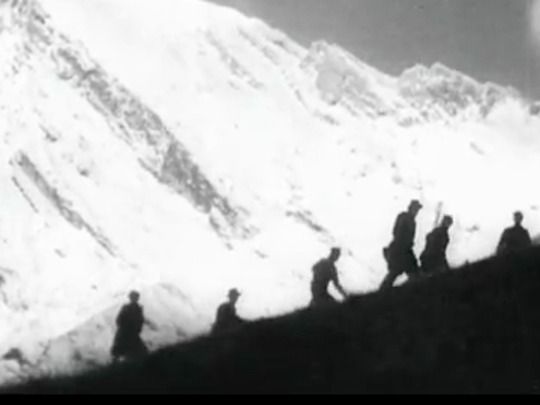
This was the first NFU title directed by Brake. It follows a group of climbers up the Matukituki Valley, west of Wanaka, towards Mt Aspiring for the opening of a new hut and a trudge through snow to resurrect a flattened shelter high up Mt French. The autumn alpine scenery is breathtaking in black and white.
Brake shot this booster's gem to mark Canterbury's centennial. The original Canterbury crusaders' dream of a model England colony is invoked: "in one brief century they've turned the wilderness into fertile farms and built their red-roofed homes". Trivia: an excerpt from the film opens Peter Jackson's Heavenly Creatures.
This pocket survey of 50s farming is a nationalist’s reminder that NZ is “one of the world’s great farming countries”. Brake captures arresting imagery: cattle move in silhouette against the sky; dust-caked fertiliser trucks emerge from clouds of lime; shirtless WWII veterans load silage onto harvesters.
Taranaki
Short Film, 1954 (Full Length)
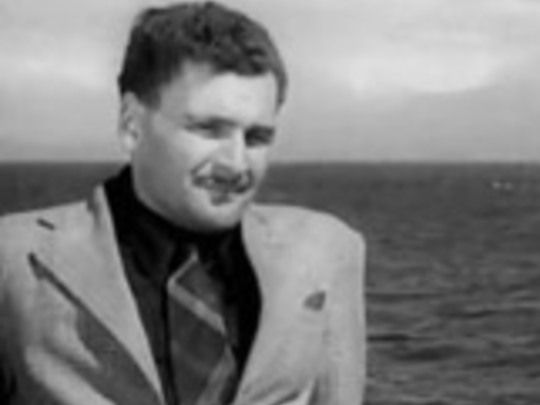
Four decades before starring in The Last Samurai, NZ’s most symmetrical volcano stole the limelight in this Brake-shot short. Extolling a mantra of progress and change, Taranaki presents New Plymouth as regional hub and suburban paradise, surrounded by bays, gladioli and half the nation’s cheese.
Brake was assistant cameraman on this promo for postwar ‘Pommy’ immigration. Three Brits settle down under and the film records their hopes, jobs, challenges and adventures (tramping, skiing, milk bars, the races, romance). Released theatrically in the UK, it was scored by Douglas Lilburn.
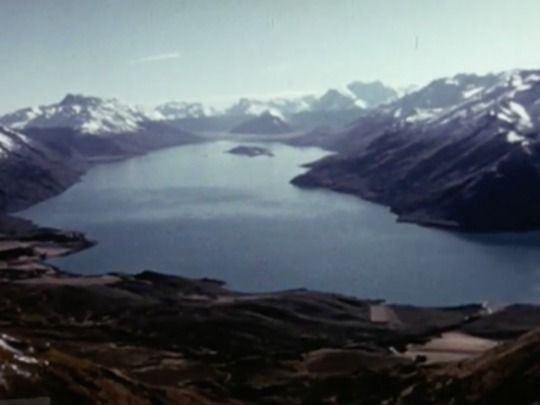
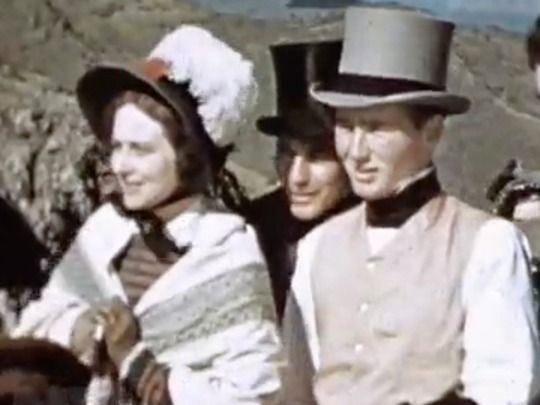
Shortly before leaving NZ in 1954, Brake filmed in the spectacular environs of Lake Wakatipu. He captures mist-shrouded hills sliced open by mining; a trio of skiers on Coronet Peak travelling hand in hand; tourists heading to Routeburn Track via steamer and open top bus; and a horseback gold miner.
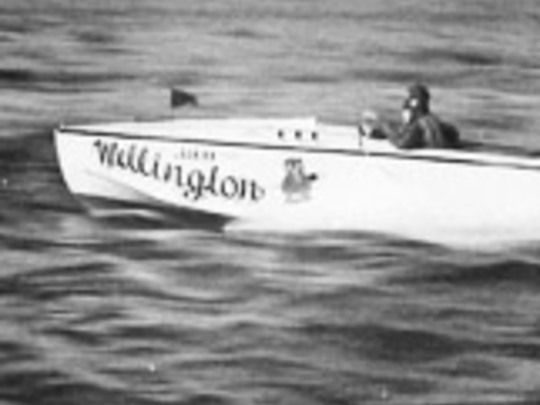
This Brake-shot journey along NZ’s longest river balances requisite scenery with excursions into the Waikato's extensive hydroelectric development; glimpses of those who work and live on the river include stunt-filled canoe races, Turangawaewae Marae, and a veteran boatman tugging coal.
Brake films a part of this Weekly Review looking at the reopening of the National Art Gallery by the Prime Minister Peter Fraser after eight years' occupation by the Air Force. The £40K national collection (mainly portraits and landscapes) is reframed and a Frances Hodgkins painting is examined.