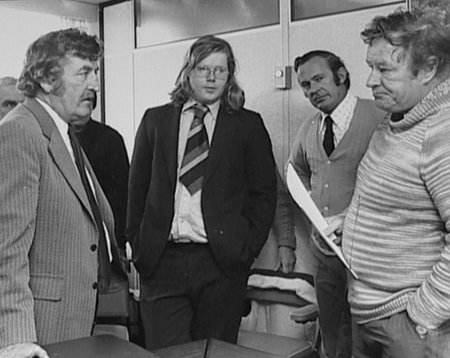
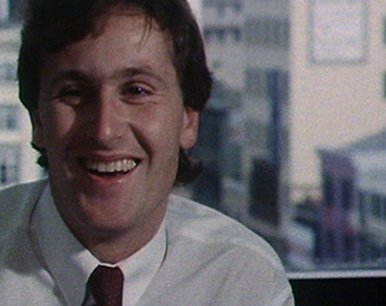
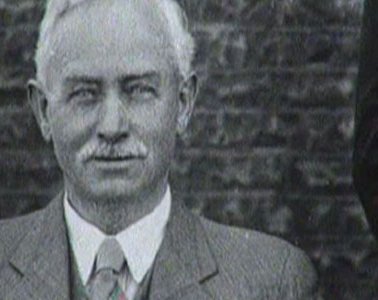
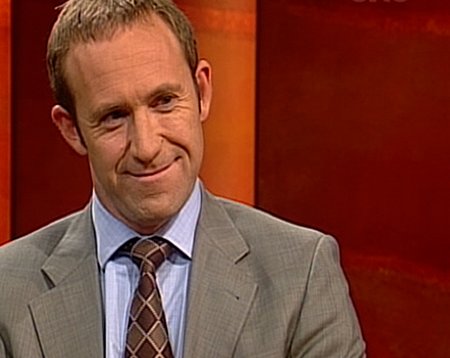
In this famous studio interview Brian Edwards turns conciliator in a long-running industrial dispute. With the clock ticking, Edwards forced an agreement between the Postmaster General and union rep to stop action and go back into mediation. This programme won Edwards a Feltex Award.
Four-part series Revolution mapped sweeping social and economic change in New Zealand society in the 80s and early 90s. Described as a “journalist's assembly”, it collects together interviews with the major players and archive footage. It won Best Factual Series at the 1997 Film and TV Awards.
This film casts a critical eye at the extreme economic changes implemented by the 1984 Labour Government, where privatisation of state assets was part of an agenda that sought to remake New Zealand as a model free market state. Made by Alister Barry when the experiment’s effects were raw.
1951
Television, 2001 (Full Length)
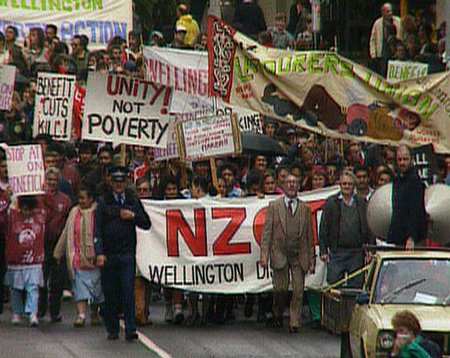
In 1951, New Zealand temporarily became a police state. This film tells the story of the infamous lockout of waterside workers and the nationwide strike which followed. The film won Best Documentary and Best Director, (Documentary) at the 2002 New Zealand Television Awards.
The tagline of this Alister Barry-directed film runs: "The story of unemployment in New Zealand". It takes as its starting point the longstanding consensus that Godzone economic policy should focus on achieving full employment, and explores how this was radically shifted by the 1984 Labour government.
The Coaster
Short Film, 1950 (Full Length)
The coaster Breeze was immortalised in this film, written by the poet Denis Glover and narrated by Selwyn Toogood. The director of The Coaster, Cecil Holmes, would become famous as the victim of the 'satchel snatch' incident which saw him accused of communist leanings and lose his job at the NFU.
In an age before Rogernomics, well before The Office, there was the afternoon tea fund, Golden Kiwi, and four o’clock closing: welcome to the early 80s world of the New Zealand Public Service. Roger Hall’s award-winning series satirised a paper-pushing working life familiar to many Kiwis. “Morning Jim!”
This doco follows 24 hours of work on the railways. It shows commuter trains in Wellington; workers toil on the railway lines above the remote Waimakariri Gorge; and the town of Otira gets ready for a dance. It was directed by New Zealand’s first female film director, Margaret Thomson.
This documentary pursues four young Māori - Ripeka, Moana, Grace and Phillip - as they transition from school, whānau and rural life To Live In the City. Director Arthur Everard, followed up in 1991 with To Live in the City 24 years on, which picks up on the lives of the four, now middle aged.
The Marching Girls
Television, 1987 (Full Length Episode)
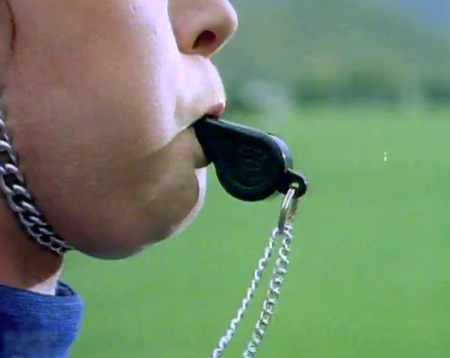
This first episode of the feminist-Flashdance-in-formation series centres around Mahara, a woman torn between workplace pressure to become a union rep in an industrial dispute, and her commitment to the Taita marching team. The 80s classic features much synth-rock, shiny tracksuits, and smoking.
From depression to prosperity and back again, this documentary explores the boom and bust cycles of New Zealand’s economy. Featuring the story of Mr TJ Edmonds (of baking powder fame); and the rise of factories and of the union movement (including the Queen Street riot of 1932).
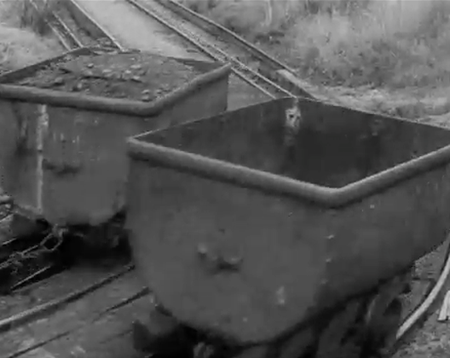
This classic patriotic wartime newsreel profiles the coal mining towns of Westland. It compares the town of Rūnanga, where mining has brought prosperity and a strong community life, with Denniston, which is set in rocky, inhospitable land high up a West Coast mountainside.
Gloss
Television, 1987 - 1990 (Full Length Episode)
Gloss combined a wealthy family, the Redferns, and a high-fashion magazine business. Yuppies, shoulder-pads and methode champenoise abound in this cult "glitter-soap" that showed how the other half worked in the heady 80s. Coal mining in Westland this is not!