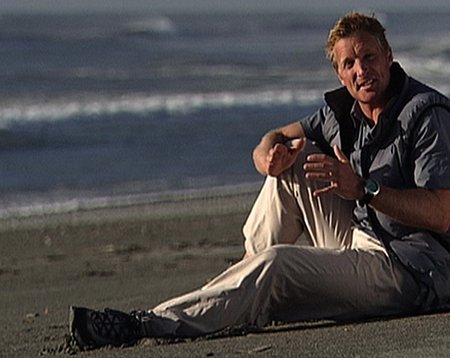
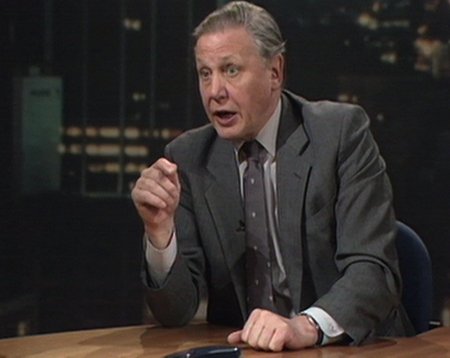
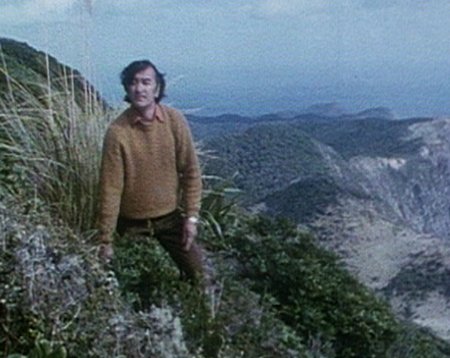
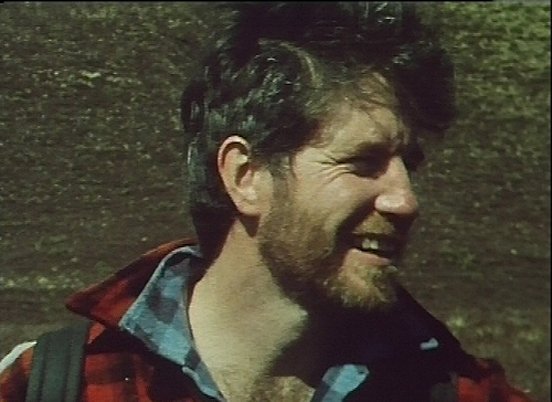
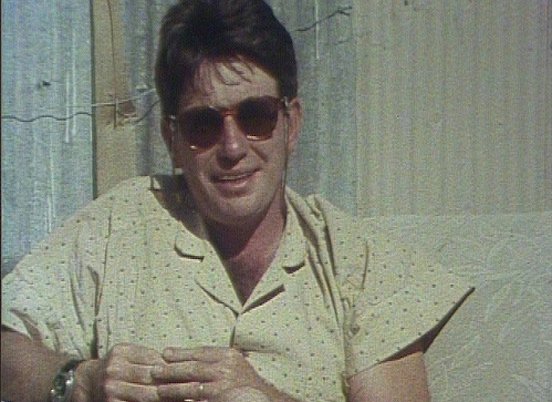
Why is New Zealand's landscape and flora and fauna so unique? Renowned English naturalist David Bellamy, with his impassioned enthusiasm (of “old man's beard must go” fame) goes on a journey to discover the answer in this four-part series.
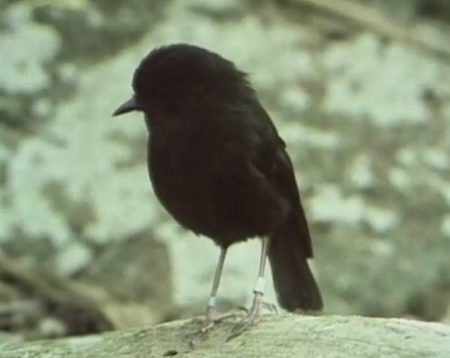
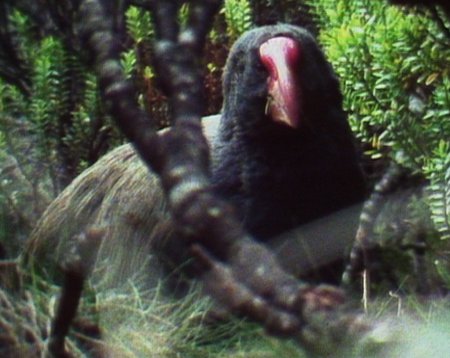
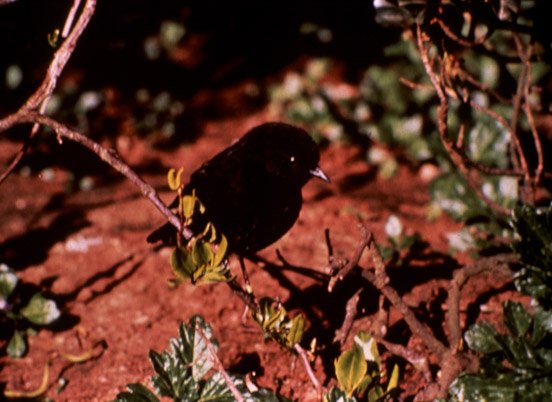
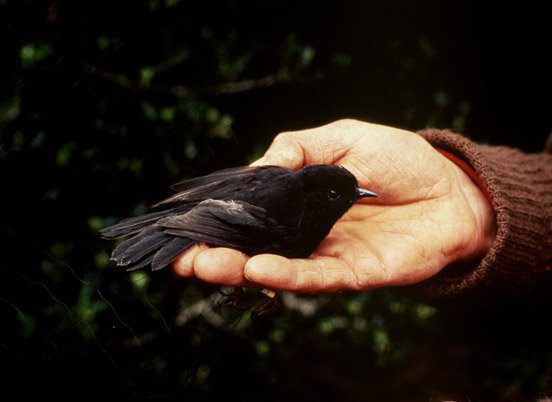
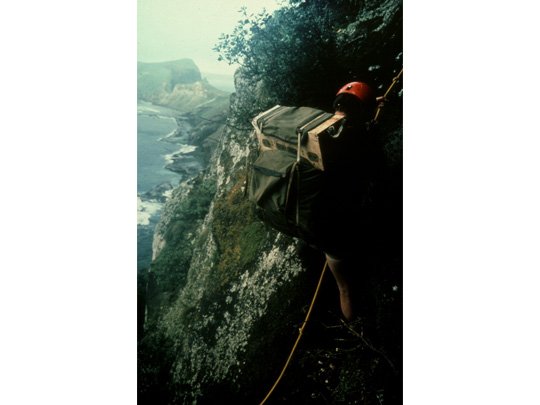
By 1976 there were only seven Chatham Islands' black robins left. It was the world's rarest bird. Here, in a desperate bid to save the species, the birds are taken from one island to another in a dramatic rescue mission. This early Wild South doco was reputation-making for TVNZ’s Natural History Unit.
In this five-part series Peter Hayden travels through some of NZ's most varied, awe-inspiring environments. It is the history of people's relationship with these landscapes and a genial Kiwi passion for the environment, that makes a lasting impression. Barry Barclay notably directs the Urewera episode.
The Lost Whales
Television, 1997 (Full Length)
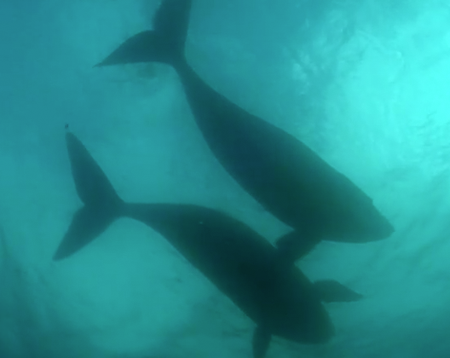
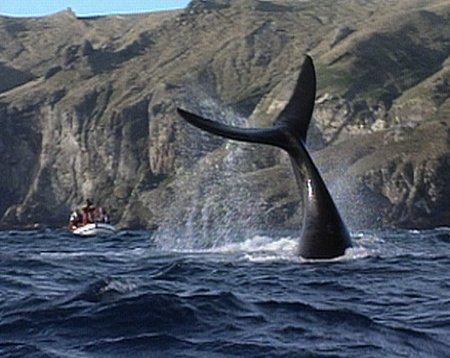
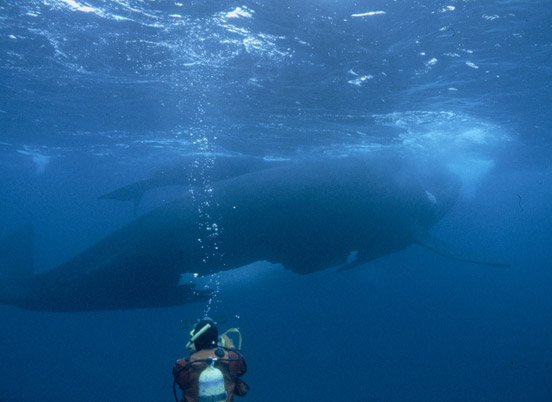
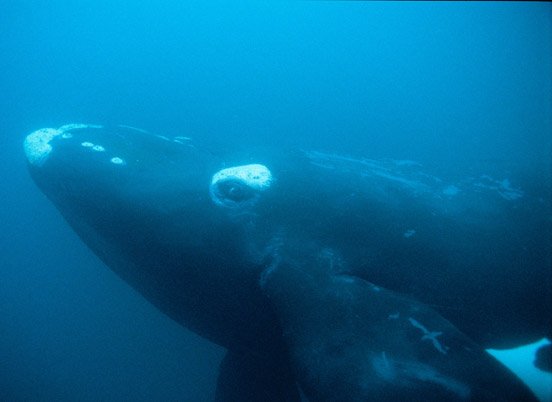
For 150 years, southern right whales (tohora) were hunted to the brink of extinction. This award-winning documentary - made for Discovery Channel - features breathtaking and intimate underwater footage of the gentle giants as a team of scientists follows a “lost tribe” in the Southern Ocean.
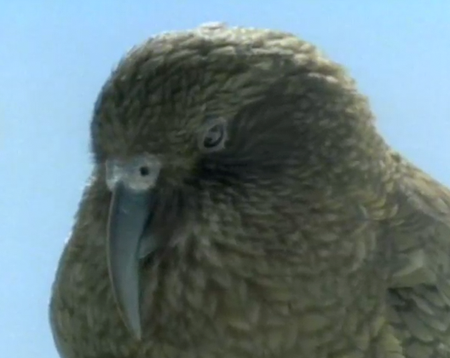
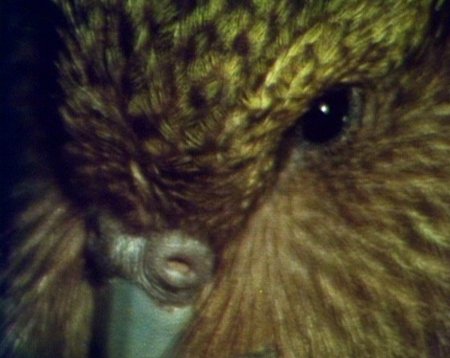
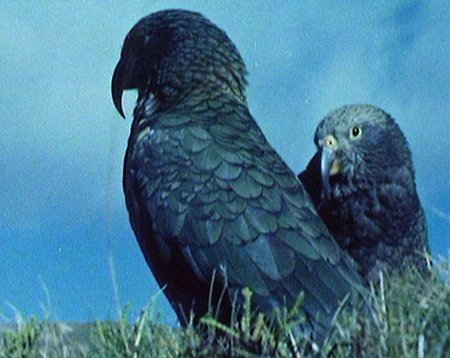
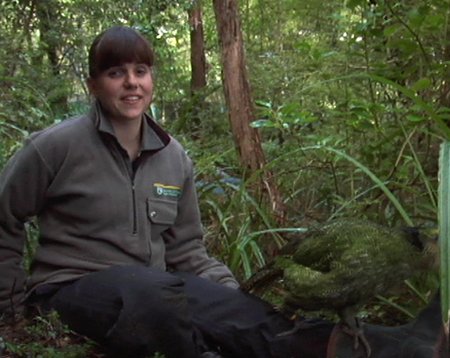
The 'Clown of the Alps' is heralded as the world’s smartest bird. Curiosity almost killed the kea when it was branded a sheep killer and thousands were killed for bounty. Here extraordinary night footage reveals the ‘avian wolf’ in action. The film makes a compelling case for the charismatic kea as a national icon.
Wildtrack
Television, 1981 - 1991 (Full Length Episode)
Wildtrack was a nature series for children. Produced by TVNZ’s Natural History Unit, it ran from 1981 through several series to the early 90s. It won the Feltex Television Award for best children's programme three years running. These episodes feature everything from dung fungi to washing a bee.
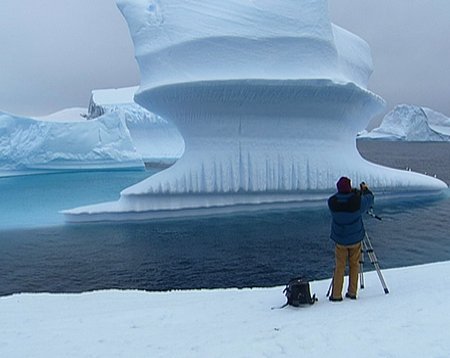
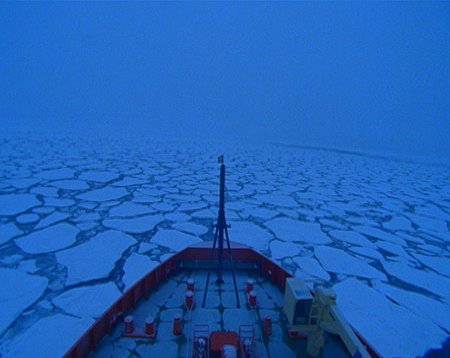
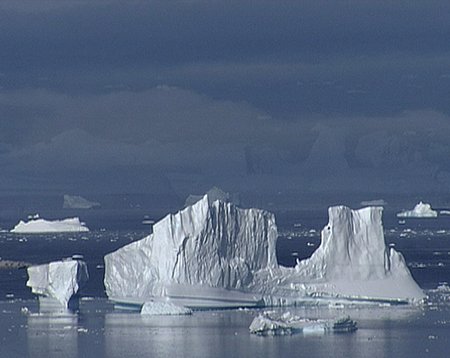
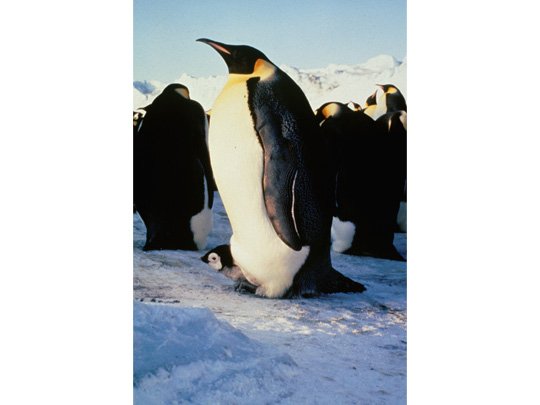
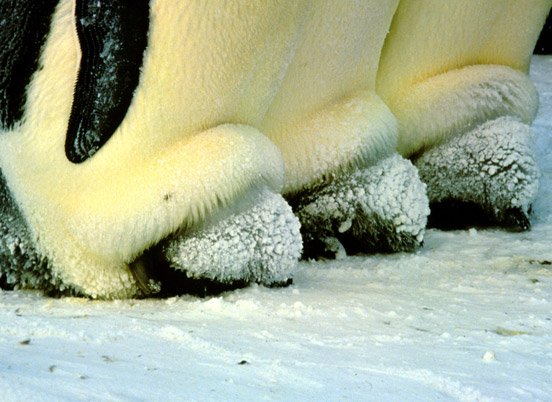
This award-winning film, made for Discovery Channel, tells the epic survival story of the emperor penguin (the real world inspiration behind Happy Feet). Amazing Antarctica footage includes an amusing penguin-falling-through-ice scene (in the first clip) that became a YouTube hit.
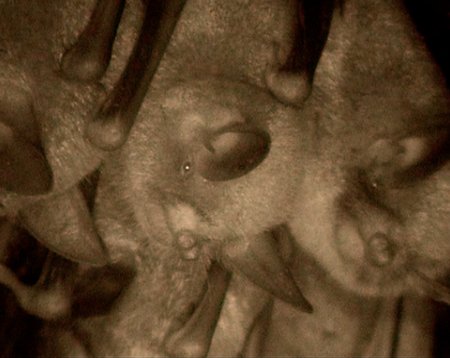
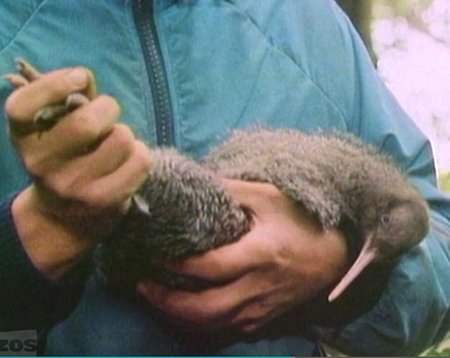
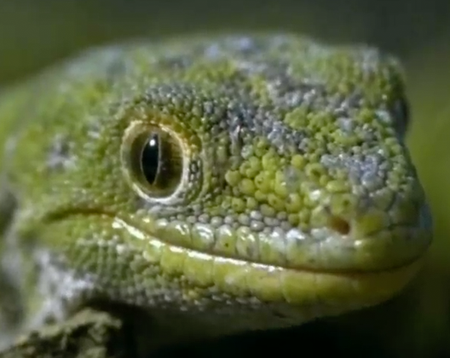
Long isolated and recently settled, New Zealand contains a world of Alice Through the Looking Glass natural oddities: birds, insects and plants like nowhere else. Front-running cinematography and Māori myth enlighten bat-filled tree trunk saunas, “demon grasshopper” weta, and furry kiwi with chopstick bills.
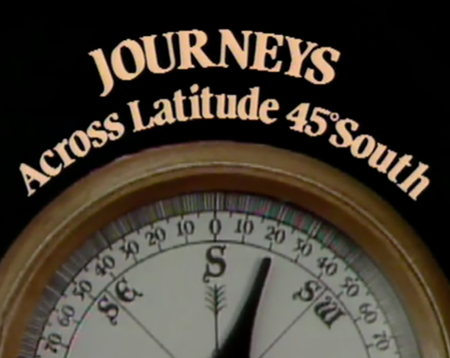
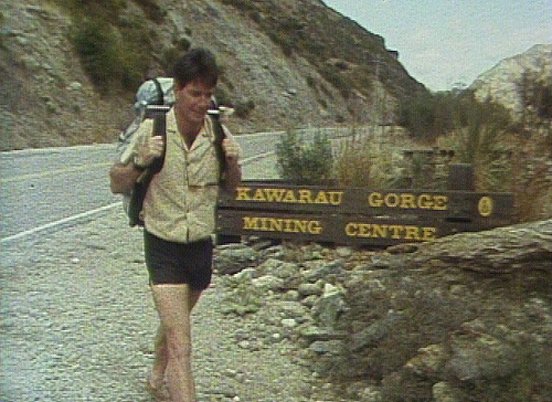
In this series (part of Our World) Peter Hayden walks, hitches, cycles, paddles a mōkihi and rafts along the 45 south line. From the wilds of Fiordland to the tourist Mecca Queenstown he tells a social, industrial and natural history of this latitude as he goes. A precursor to Heartland and Marcus Lush-presented South.
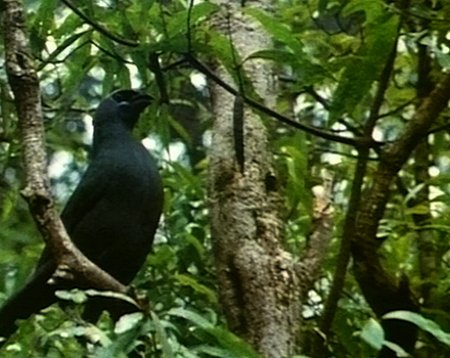
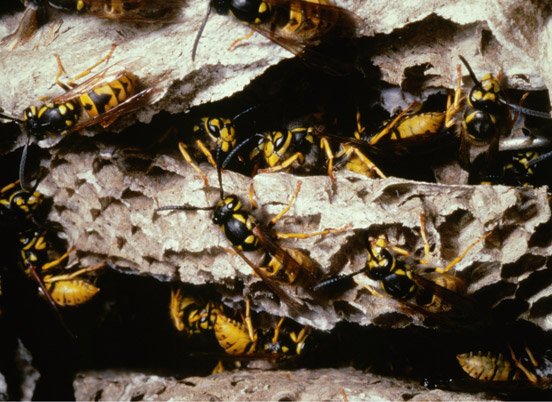
The devastating effects of introduced wasps in New Zealand, particularly on kaka (the forest parrot, here beautifully filmed) remain a serious issue. The ultimately sad film looks at the effect on the ecosystem of the yellow and black marauders, who compete with natives for honeydew and prey upon insects.
Exhuming Adams
Television, 2005 (Full Length)
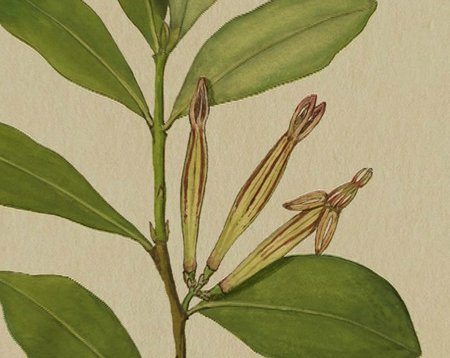
This film investigates the mysterious disappearance of a species of mistletoe. A natural history CSI, the forensic inquiry takes in last witnesses, CGI and preserved bellbird skins. It won directors Brant Backlund and Thassilo Franke the BBC Best Newcomer Award at the prestigious WildScreen film festival 2006.
Under the Ice
Television, 1989 (Full Length)
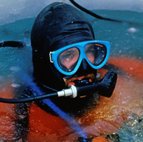
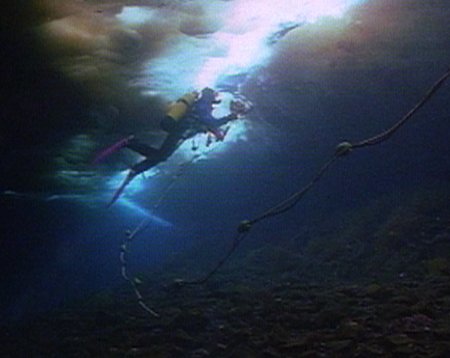
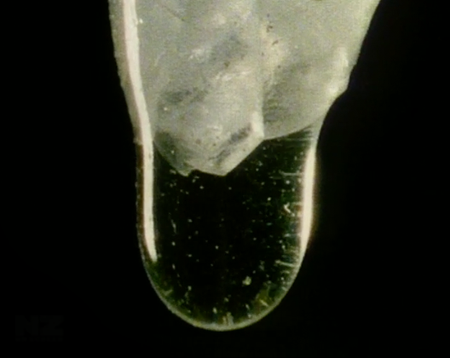
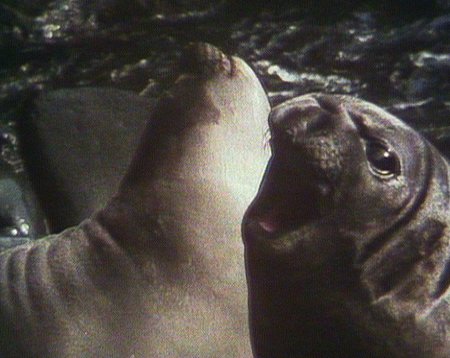
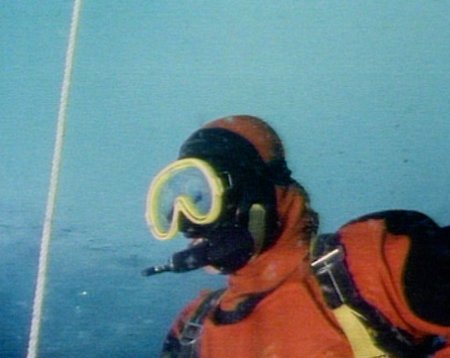
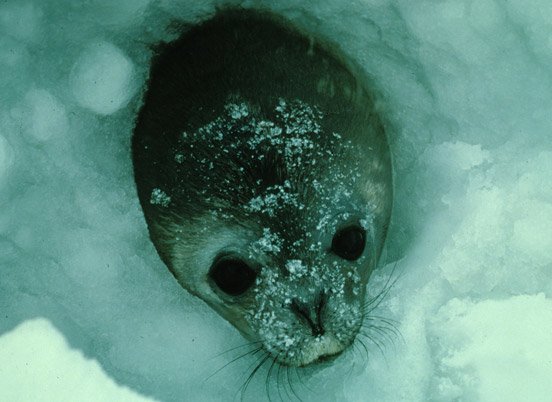
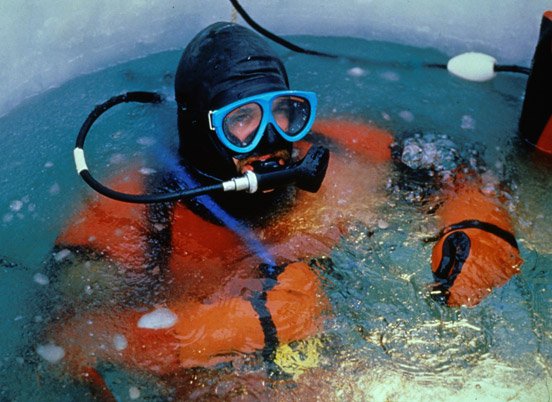
This was the first nature documentary to be filmed under the Antarctic sea ice. Innovative photography reveals the other-worldly beauty of the submarine world, and the surprisingly rich life found in sub-zero temperatures - weddell seals, giant sponge and dragonfish.
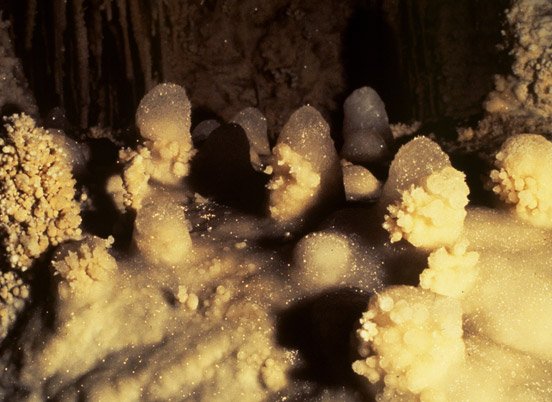
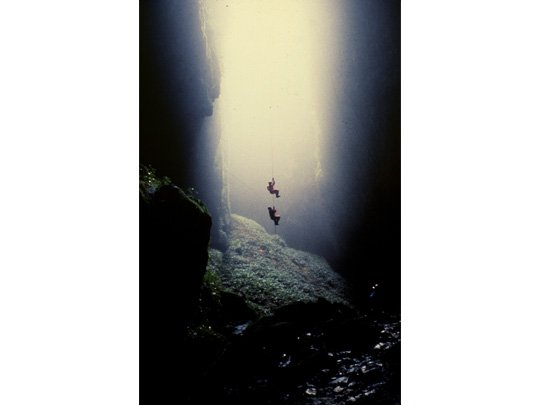
This film looks at the strange and ethereal world of New Zealand's limestone areas. The rocks and underground caves reveal ancient whale fossils, moa hunter art and evolutionary one-offs (such as giant carnivorous snails, cave weta, albino crayfish) that live in a limestone world.
The Black Stilt
Television, 1983 (Full Length)
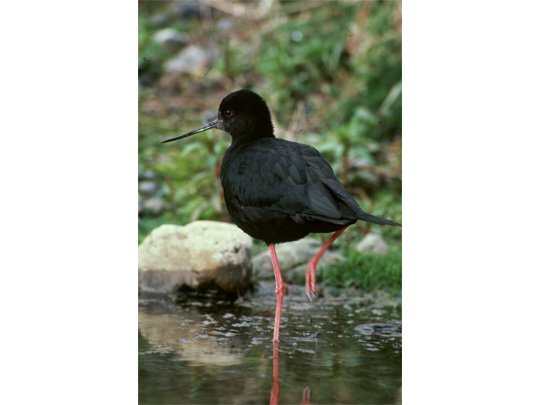
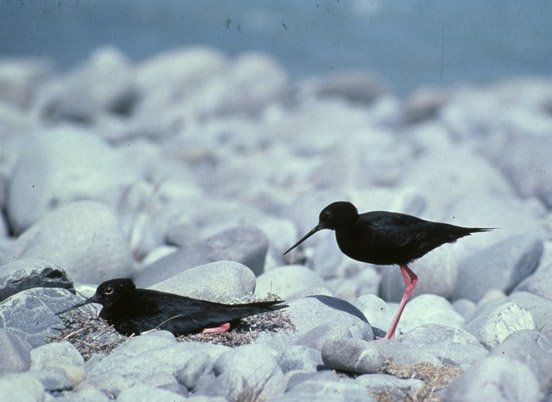
An acclaimed entry in the Wild South series, this film tells the story of the world’s rarest wading bird, the black stilt. The drama of the stilt’s struggle for survival makes it, “stand out as a classic of its genre” (Russell Campbell). It won the Gold Award at New York’s International Film & TV Festival.
Mirrorworld
Television, 1990 (Full Length)
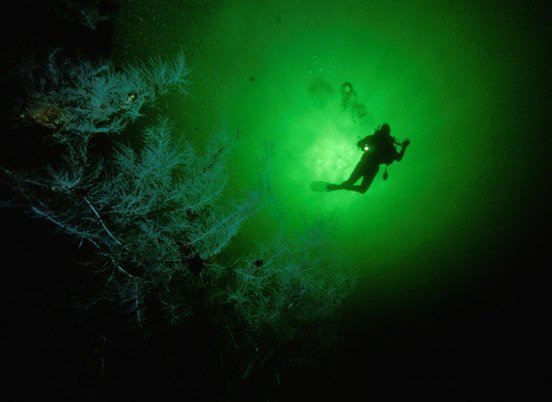
Fiordland is the jewel in the Te Wahipounamu South West New Zealand UNESCO World Heritage Site. Award-winning photography explores the symmetries of life above and below the fiords: kea, mohua, seals, dolphins, and an underwater phantasmagoria of starfish, ancient black coral forests and sea pens.
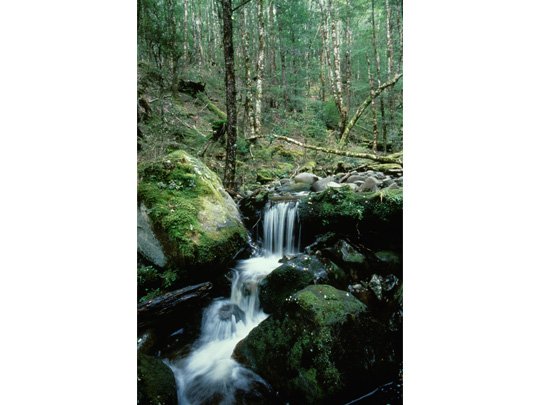
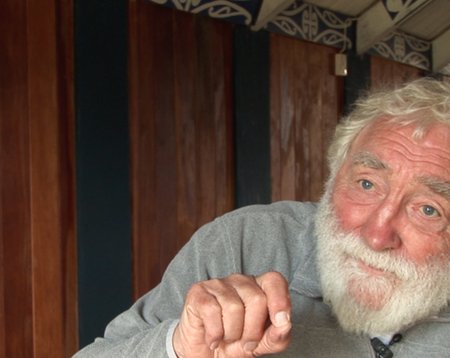
In 2009, David Bellamy revisited Whirinaki Forest, which featured in an episode of Moa's Ark ('Stamp of Giants'). The successful battle for Whirinaki’s protection was a conservation landmark. Bellamy was interviewed by NZ On Screen’s Andrew Whiteside on the 25th anniversary of the success.