Registering with NZ On Screen means you can:
We won't share your data with anyone (see our Privacy Policy) and we won't spam you. It's that simple.
Main navigation
Curated by the NZ On Screen Team
04.03.2011
In the beginning — of both movies and books — there is the word. Many classic Kiwi screen and teleplays have come from books (Angel, Warriors, Sleeping Dogs, Whale Rider); and many writers have found new readers through being celebrated, adapted and documented on screen. This two-part collection coincides with NZ Book Month to showcase NZ books and authors on screen.
This title has been added to your favourites.
Remove from your favourites.
This title has now been removed from your favourites.
You need to be logged in to add to your favourites.
Thank you. Your email has been sent.
This link could not be emailed at this time. Please try again later.
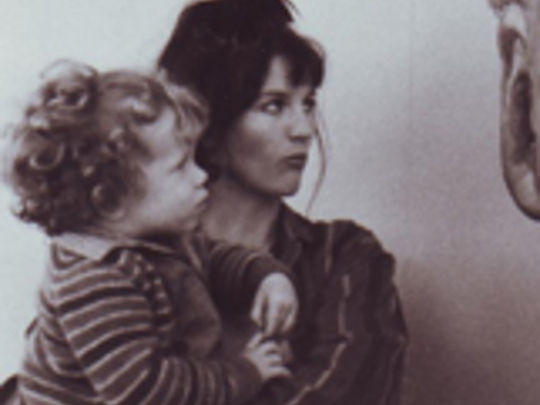
This lauded adaptation of Janet Frame's three-part autobiography established Jane Campion as an international director, launched the career of Kerry Fox, and introduced new audiences to the “mirror city” of Frame's writing. This excerpt follows Frame from Seacliff Asylum to first publishing success at Frank Sargeson’s bach.
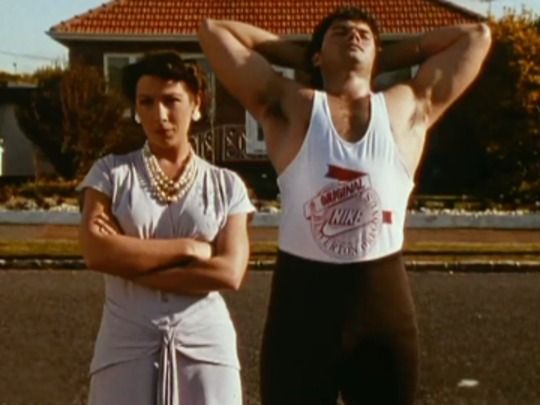
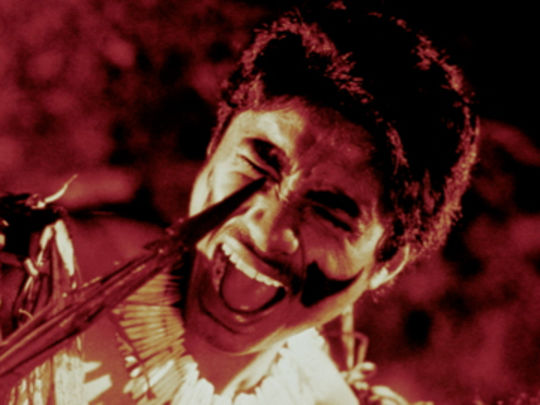
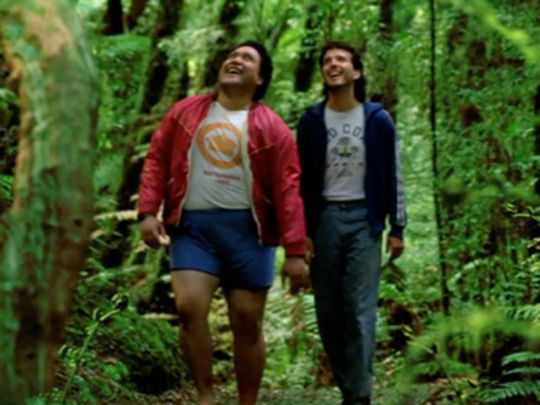
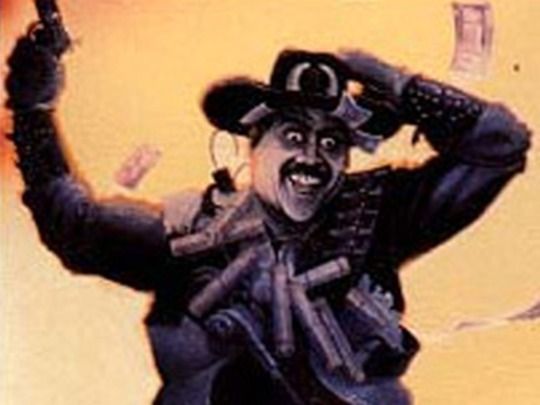
“The funniest, liveliest, most exuberant film ever made in New Zealand”. So said critic Nicholas Reid of this adaptation of the Ronald Hugh Morrieson novel. Two conmen hit town to encounter bookies, boozers, crim Marshall Napier, Prince Tui Teka and Billy T’s beloved loony Mexican-Māori cowboy.
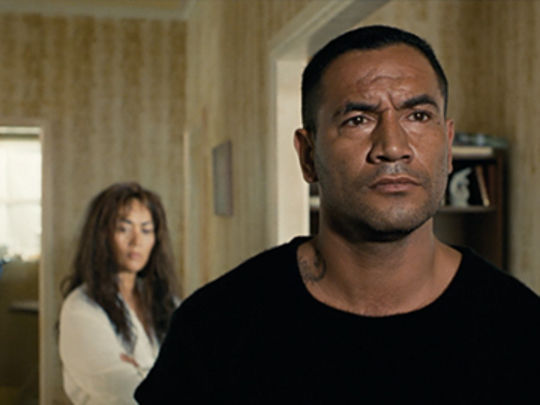
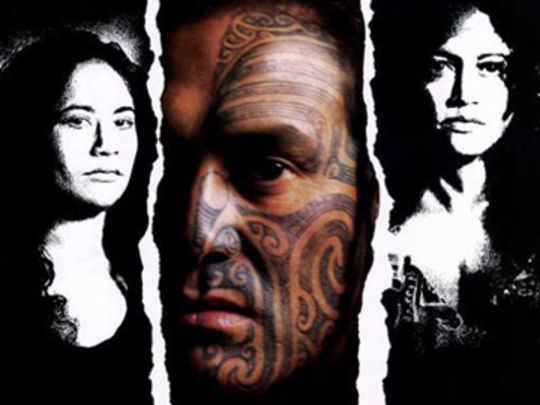
Lee Tamahori's confronting depiction of gang and domestic violence amongst an urban Māori whānau was adapted from the best-selling Alan Duff novel by Riwia Brown. Alongside the trailer and a (warning: brutal) excerpt there’s exclusive ‘making of’ clips from the film that had an international impact.
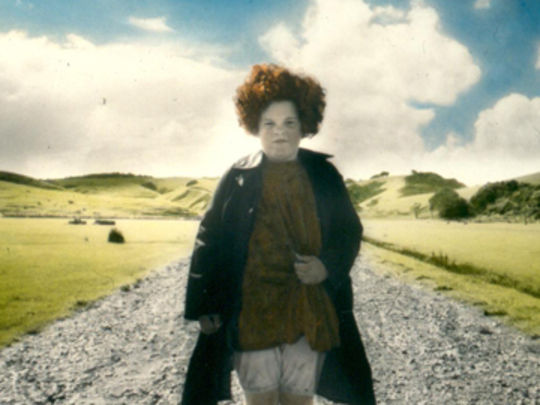
Adapted from the Maurice Gee novel, this classic kids sci-fi series — about ginger twins with psychic powers — left its slimy imprint on a generation of NZ kids, haunted by the transmogrifying Wilberforces, who changed from humans into giant slugs slithering underneath Auckland’s volcanoes.
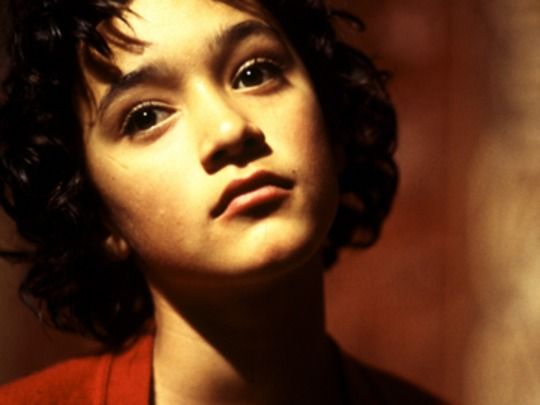
A worldwide hit, Whale Rider tells the tale of a young Māori girl, Pai (an Oscar-nominated Keisha Castle-Hughes), who challenges tradition and embraces the past in order to find the strength to lead her people forward. Directed by Niki Caro, the film is based on Witi Ihimaera's novel The Whale Rider.
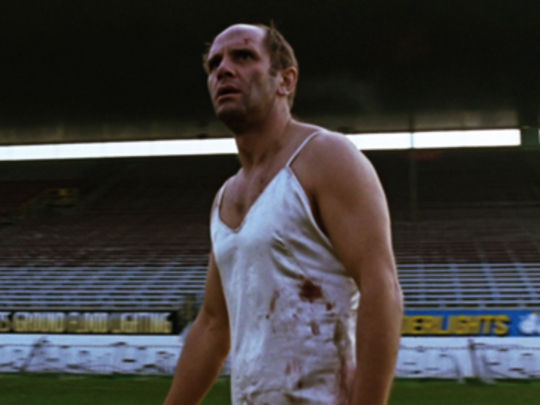
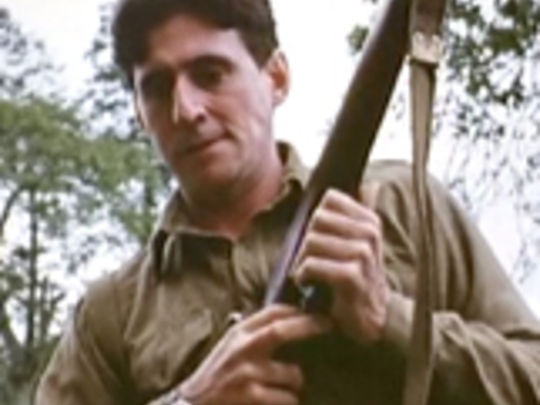
Geoff Murphy's cult sci-fi feature sees scientist Zac Hobson (Bruno Lawrence in a tour de force performance) awaken to find himself ‘man alone’ on earth. Based on Craig Harrison’s 1981 novel, Los Angeles Daily News gushed that the film was, “quite simply the best science-fiction film of the 80s”.
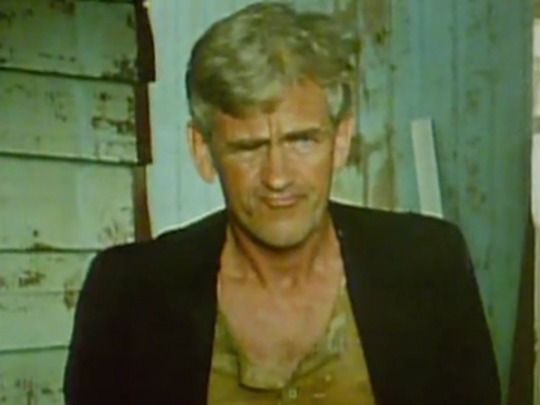
Sam Pillsbury’s debut feature confidently translated Ronald Hugh Morrieson’s wry ‘Taranaki gothic’ style to the screen. Teen Ned is worried that the mysterious arrival in town (US legend John Carradine) has murderous designs on his sister. It was the first Kiwi film to win official selection at Cannes.
It's a 70s beach holiday, but all is not sunny days at the bach. Beneath still waters Mum is drowning in drink, Dad is defeated, and 13-year-old Janey is awakening to a new kind of power. Adapted from the Kirsty Gunn novel, Christine Jeffs’ feature debut saw her make Variety’s ‘10 Directors to Watch’.
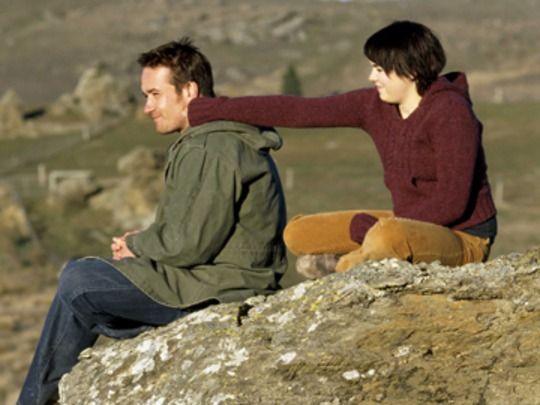
This praised adaptation of the Maurice Gee tale of a world-weary protagonist returning home to confront dark secrets, shifted the location from North Shore to Central Otago, and marked the debut of a formidable fledgling talent. Tragically writer-director Brad McGann died of cancer in 2007.
In this short film — adapted from a short story by Booker Prize-winner Keri Hulme — a writer (Rima Te Wiata) has a korero with a trickster spirit Hinekaro (Rena Owen). In her imaginative struggles she’s visited by a ruru and her younger self; other creatures are brought strikingly to life via SFX.
Directed by Roger Donaldson, Dogs heralded the new wave of NZ feature films and signalled the arrival of Sam Neill as an acting talent. Adapted from a CK Stead short story — Smith’s Dream — the man alone against an oppressive state tale eerily anticipated the unrest of the Springbok Tour protests.
A Witi Ihimaera short story is the basis for this Whangamomona-set comic TV drama. It focuses on 40s culture clash between the local tohunga, Mr Hohepa, and a feisty Pākehā woman Mrs Jones (Annie Whittle), as seen through the eyes of the young boy, Tawhai, who helps her deliver mail and groceries.
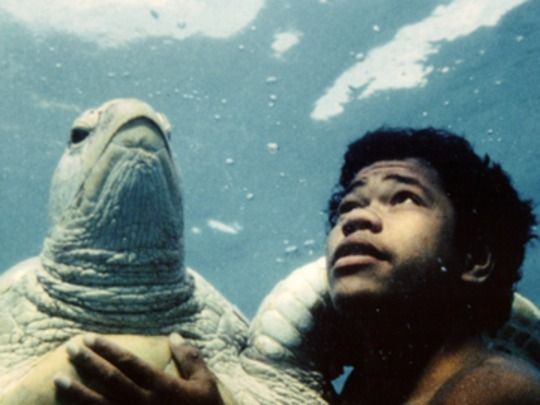
Set in a Rarotongan village The Silent One is a mythological children's drama about the relationship between an outcast deaf mute boy and a rare white turtle. Adapted by Ian Mune from a Joy Cowley story, the film was the first New Zealand dramatic feature to be directed by a woman (Yvonne Mackay).
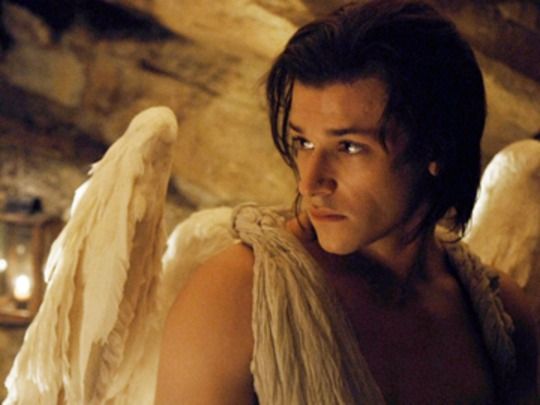
Director Niki Caro adapted Elizabeth Knox's bestselling novel of grapes, angels and magic realism, with help from US script consultant Joan Scheckel. Starring Belgian actor Jeremie Renier, the film was a rare local case where the writer (Knox) was outspoken in her opinion of the adaptation.
This sequel to Once Were Warriors is about the redemption of Jake the Muss. It picks up the story after Jake has turned his back on his family, unaware that his son has died in a gang fight. Scripted by Alan Duff, directed by Ian Mune, it scooped the categories at the 1999 NZ Film and TV Awards.
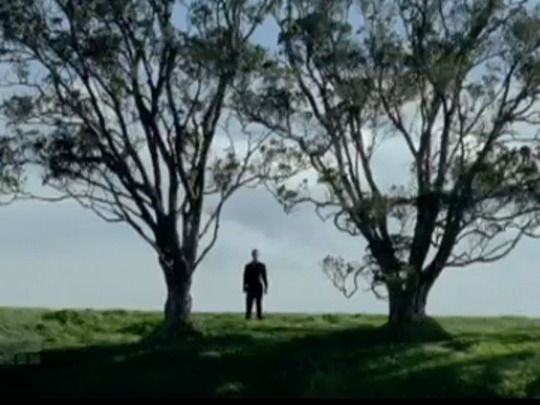
A State of Siege is the story of a retired art teacher dealing with isolation and loneliness, culminating in a stormy, terrifying night. Vincent Ward's acclaimed short — adapted from a Janet Frame novel — was made when he was at Ilam art school and it launched his international career.
In one of NZ screen's great monologues, Nicky (Lucy Sheehan) tells the inside story of her relationship with Kiwi legend Julian Harp and the day he achieved engineless flight and rose into the sky from the Auckland Domain, never to be seen again. Based on the classic short story by CK Stead.
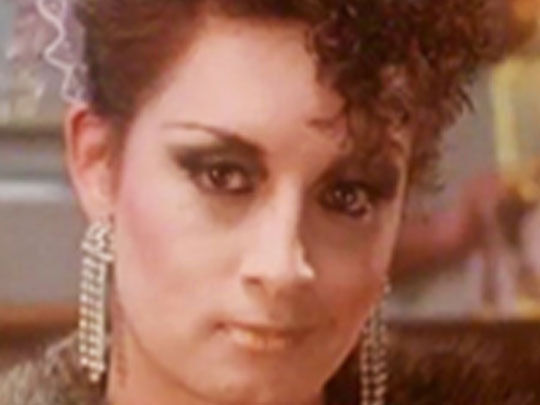
“I mean to say, shouldn't I be in love with a fella or something?” Mandy, a man who dresses as a woman, talks about his relationship with Jewel (Georgina Beyer), a transsexual. The noted Peter Wells drama was inspired by Anne Kennedy's 1983 Katherine Mansfield award-winning short story.
Sean's prize possession is a 1958 Ford Fairlane. His sister, auto-painter Annie, is sick of riding shotgun. After the Fairlane is stolen, the pair find themselves in a relationship-testing adventure. Writer Debra Daley adapted her short story about growing up in Henderson’s ‘Westie’ car culture.
NZ’s first (and only) animated feature adapts the characters from Murray Ball's Footrot Flats, NZ's most loved local cartoon strip (OK not strictly ‘literature’ but still from the page!). The promo is cut to Herbs/Dobbyn song 'Slice of Heaven' which, like the film, was a huge hit in NZ and Australia.
The night before his granddaughter's birthday, a grandfather (Anzac Wallace) has a “dream”. Its analysis leads to a win on the horses. The first film as director for actor Rawiri Paratene; the screenplay was by Patricia Grace from her short story, The Dream. Look out for a young Temuera Morrison.
This debut feature from Niki Caro follows a Tokyo woman and her fiance who elope south to meet a tragic fate on a West Coast beach. The restrained study of eroticism and grief was based on a short story by Peter Wells (itself inspired by a true story) and was selected for Critics' Week at Cannes.
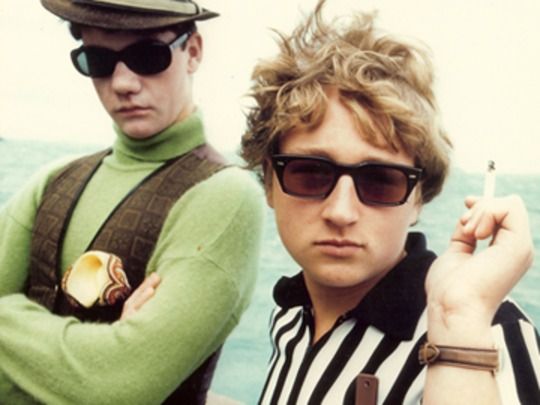
This TV drama was one of two films (with Memory and Desire) adapted from short stories in Peter Wells' book Dangerous Desires. Set in Auckland, 1965, this film tells the story of Lemmy and Jamie, two teenage boys coming to terms with their sexuality — until they can admit to being ‘one of them'.
Maurice Gee's classic novel about aliens running amok under Auckland has rarely gone out of print since its debut in 1979. First adapted as a memorable 80s TV series, this Jonathan King-directed movie retooling features Sam Neill (mysterious Mr Jones) and Oliver Driver (villainous Mr Wilberforce).
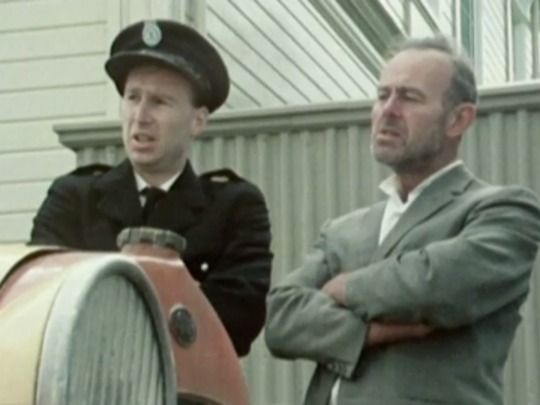
Directed by Jason Stutter, and based on a novel by the late Ronald Hugh Morrieson — whose stories represented his small home town of Hawera as a hotbed of colourful characters and dodgy dealings — Predicament is a prohibition-era tale of blackmail, anxiety and criminal partnerships.
During WWII the Post Office photographed letters, enabling mass mailing to soldiers via rolls of film. In this adaptation of a Jolisa Gracewood short story, director Paolo Rotondo explores how war and distance affect relationships. It won best short screenplay at the 2006 New Zealand Screen Awards.
Katherine Mansfield is arguably NZ’s most internationally renowned writer. This doco examines her complex relationships with her family and homeland, her turbulent personal life, her writing (credited with changing the course of the English short story) and her death in France in 1923, at age 34.
Readings from the poems of James K Baxter and interviews with friends and whānau, trace the poet's life through its various NZ locations, and provide a biographical voice in this Bruce Morrison film (co-written with Dr Paul Millar). It won Best Documentary at the 1998 Film and TV Awards.
This Gaylene Preston-directed doco offers a glimpse into the life, art, and inimitable cheeky-as-a-kaka style of late Kiwi poet, Hone Tuwhare. The man with “the big rubber face” (cheers Glenn Colquhoun) is observed at home, and travelling the country reading his work (including Rain and No Ordinary Sun).
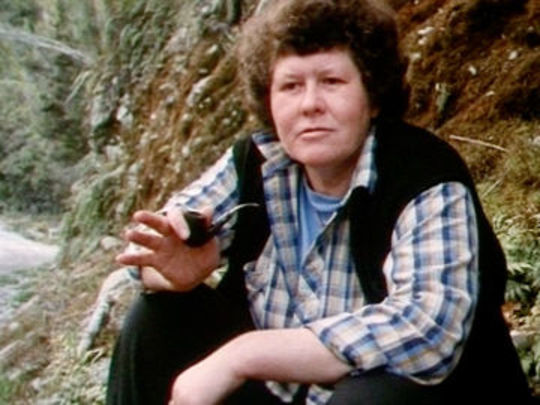
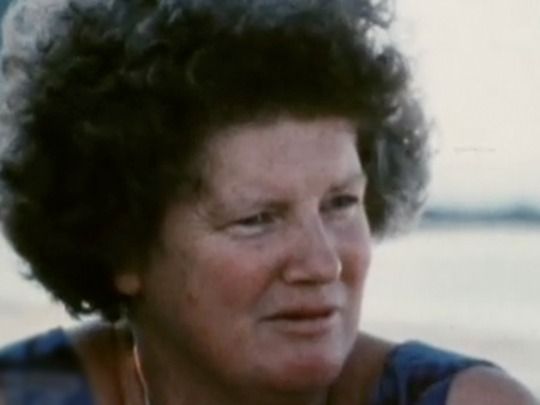
This doco about beloved children and young adults writer Margaret Mahy explores the importance of NZ settings, her international successes, and her life as a writer. Mahy is filmed at her home in Governors Bay, speaking to children in her famous rainbow wig, and out and about on Akaroa Peninsula.
Historian Michael King's opus was a bridge between Māori and Pākehā; he turned Aotearoa's history into an unprecedented publishing bestseller. History Man traces King's own past and passions; the doco was commissioned only weeks before King and his wife were tragically killed in a car accident.
Based on the biography by historian Michael King this documentary travels through familiar Frame themes — her alleged mental illness, family tragedies, overseas stays, how she began writing. Its value lies in the interviews with key figures in her life (this also was King’s last interview for film).
This edition of the NFU series follows poets Sam Hunt and Gary McCormick (the “John Travolta of New Zealand poetry”) on tour as they give poetry readings, talk to high school girls, drink whiskey, and muse about life. It evokes a time (stovepipe jeans, Valiant) when poetry and heartthrob weren't antonyms.
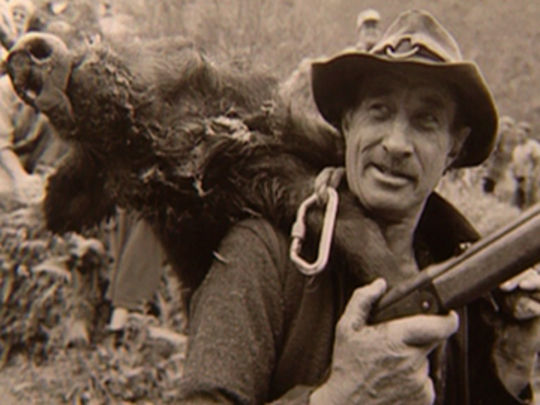
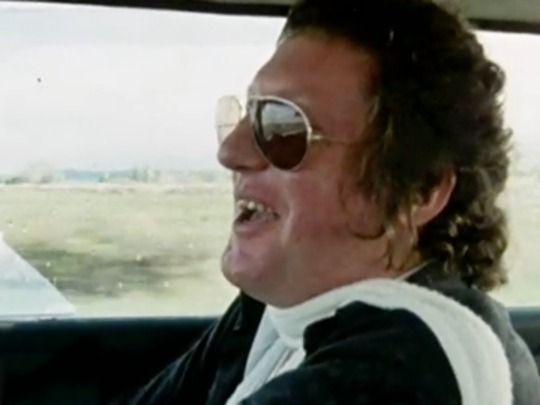
Barry Crump's iconic deer-hunter yarn A Good Keen Man made him a successful, if unlikely, literary figure. Excerpts from this award-winning doco look at his emergence on the 50s literary scene; at fractured family relationships; and at the 80s TV ads for Toyota utes that reignited his “crusty” profile.
Biographer Michael King takes us through the life of pioneering writer Frank Sargeson; from puritanical parents to self-discovery in London, to decades encouraging an emerging tide of NZ writers. There are poignant moments when four of those writers return to his fabled fibrolite Takapuna bach.
Denis Glover's poems are some of the most enduring in our literary tradition. "And Quardle oodle ardle wardle doodle" from The Magpies is probably NZ poetry's best known line. This Bill de Friez documentary, takes a candid look Glover’s life: “a great drinker, a great womaniser, a great poet”.
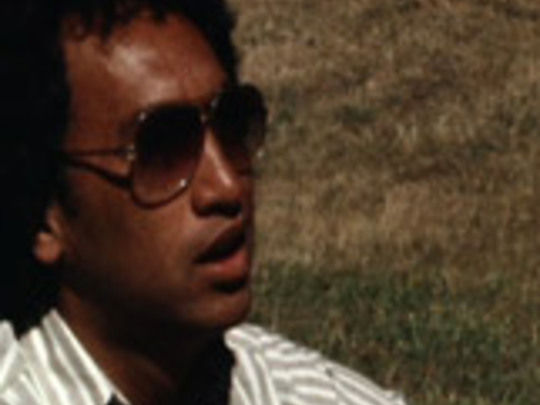
Witi Ihimaera was the first Māori writer to publish a book of short stories, and a novel. In this wide-ranging profile the camera accompanies him (here in his late 30s) on a Wellington circuit, as he roller-skates, and visits Newtown’s Black Power HQ. George Henare reads excerpts from Ihimaera’s work.
This is a fresh, unhurried, film based around a substantial interview with Frame herself, filmed in 1975 with Michael Noonan. The rare footage of Frame — here aged 50 —presents a confident writer in her prime, and negates any stereotypes about Frame’s inarticulacy or shyness.
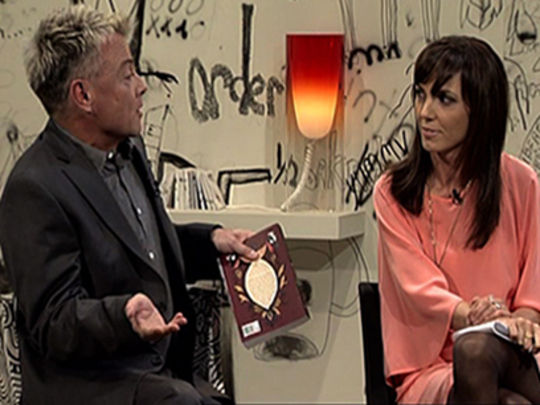
Finlay Macdonald explores Barry Crump’s 1960 novel A Good Keen Man in this excerpt from the book show hosted by novelist Emily Perkins. The work of a “man of the land with the soul of a poet”, it launched Crump onto the literary scene and established a persona he would use for the rest of his life.
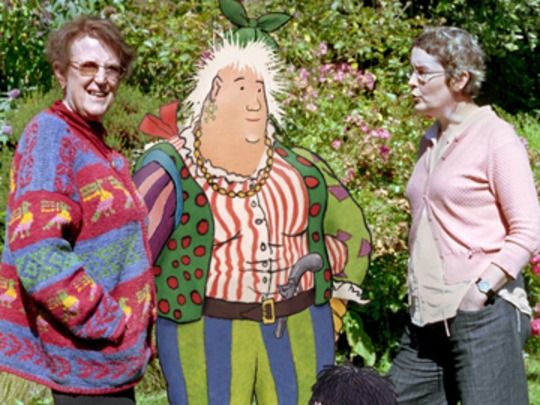
In this documentary children’s author Margaret Mahy is interviewed by friend and fellow author Elizabeth Knox. Knox is aided and abetted by Mahy’s beloved storybook characters who put Mahy on the spot about their origins. Yvonne Mackay directed this seamless mix of real life and animation.
This final chapter of this three-part series centres on internationally acclaimed crime-writer and Shakespearean director Dame Ngaio Marsh. It contains an interview with Marsh in her later years, interspersed with comments from former students and friends, and re-enactments from her novels.
This doco profiles the life, work and influence of Albert Wendt, from his Samoan upbringing, his education in NZ, to his work as writer and teacher. “I belong to Oceania - or, at least, I am rooted in a fertile part of it and it nourishes my spirit, helps to define me, and feeds my imagination.”
This doco on Taranaki novelist Ronald Hugh Morrieson, mixes a semi-fictionalised tale of Morrieson’s mates reminiscing about his departure, with dramatised highlights from his stories of drunkards and con artists. In a cast packed with carousing Kiwi screen legends, Bruno Lawrence plays Morrieson.
Visionary educationalist and novelist Sylvia Ashton-Warner is interviewed by leading educationalist of the day, Jack Shallcrass, in this documentary about her life and work. It is the only interview she ever made for television, and was the first of the Three New Zealanders documentaries.
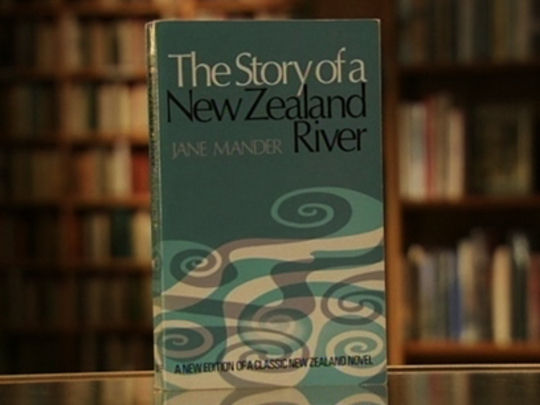
Under the Covers is a spin-off series from the TVNZ 7 book series The Good Word, compiling Finlay Macdonald’s 10-minute pieces on great NZ books. This excerpt features Jane Mander’s The Story of a New Zealand River, the 1917 novel that some say was an uncredited inspiration for The Piano.
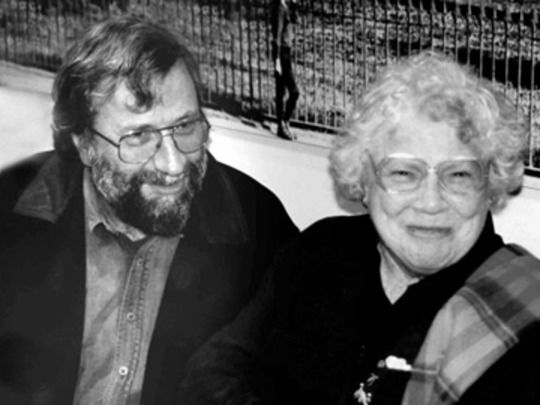
This is a 1991 armchair interview with historian Michael King. King discusses his early influences, motivation, and mission: “we've got to be able to trace our own footsteps and listen to our own voices or we'll cease to be New Zealanders, or being New Zealanders will cease to have any meaning.”
This Shirley Horrocks documentary is about poet Allen Curnow, made in the last months of his life. The poet talks about his life and work, and visits the places of some of his most important poems. It includes interviews with other poets about Curnow's significance as an advocate for NZ poetry.
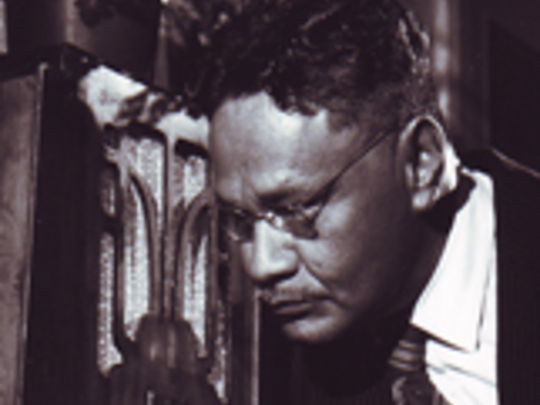
This is a 1973 interview with a 51-year-old Hone Tuwhare at the Maori Writers' and Artists' Conference, at Te Kaha's Tukaki Marae. Tuwhare speaks of the various influences on his writing: sex, religion, trade unionism and communism, and more. Poet Rowley Habib sits alongside Tuwhare in the interview.
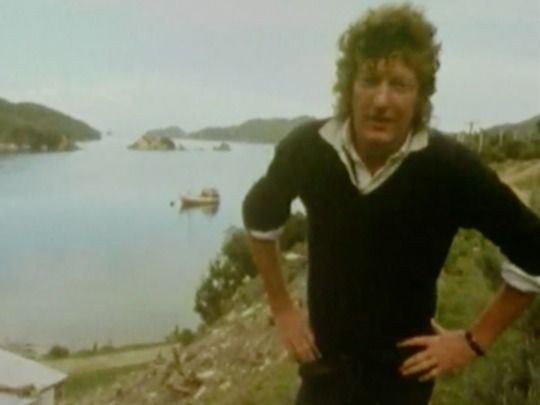
Poet Sam Hunt goes “between islands” on a home turf tour. To a back drop of languid 'good day' Strait's scenery he yarns with locals about stories of land and sea, and recites poetry: "[it's all about just] standing back and listening ... or watching". Includes (brutal) archival whaling footage.
Mercury Lane was a story-driven arts show. This episode features Sam Hunt interviewing poet Alistair Te Ariki Campbell. Campbell discusses his early childhood in the Cook Islands as the child of a Pākehā father and Polynesian mother, and reads a selection of poems.
In 2003 Toi Māori Aotearoa engaged Charlotte Yates to produce an album and stage performance celebrating the verse of poet Hone Tuwhare, in genres from rock to dub. This Lala Rolls short film was commissioned for the project. Tuwhare is filmed at home at Kaka Point reciting his poetry against the songs.
A guide to the events taking place over March to celebrate all things to do with New Zealand books and writing. Visit >
Broadcaster (The Good Word) and ex-Listener editor Finlay Macdonald relates page and screen, and introduces the collection. Read more >
The amatory potential of the book aisles gets explored in this music video from band Haunted Love. Don’t miss your due date! Watch >
Are there any adaptations of NZ lit classics, or screen biographies of NZ writers that you'd like to see onsite? Email us >
Finalist - Most
Outstanding Website
The ONYAs 2010 & 2011
Best Entertainment Website
Finalist – Website design
Qantas Media Awards 2009
NZ ON SCREEN 2012
This website has been made with funding from NZ ON AIR ›