The Matariki Collection
Curated by NZ On Screen team 80 items
A selection of iconic Māori TV, film and music video for Matariki.
Te Ao Māori on Screen
Celebrate iconic Māori television, film and music with this collection, in time for Māori New Year. Watch everything from haka to hip hop, Billy T to the birth of Māori Television. Two backgrounders by former TVNZ Head of Māori Programming Whai Ngata (Koha, Marae) look at Matariki, and the history of Māori programming on New Zealand television.
Profiles


Television
Shorts
Collection Gallery
Photo appears courtesy of the New Zealand Film Commission.
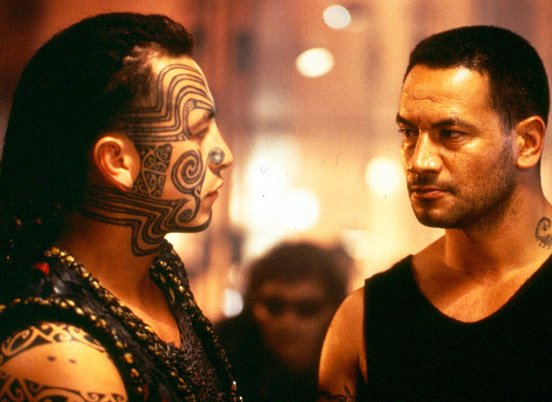
Julian Arahanga (left) as Nig and Temuera Morrison (right) as Jake in Once Were Warriors.
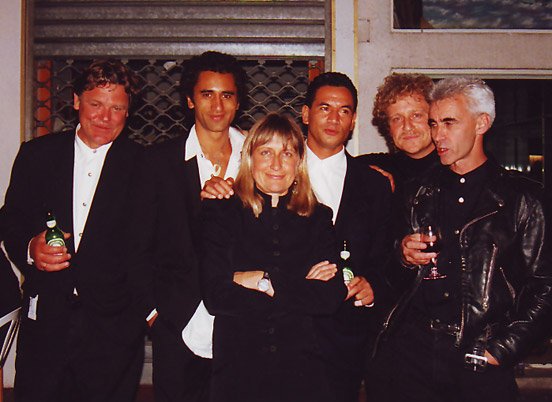
A shot from the Once Were Warriors premiere. From left to right: Neil Roberts from production company Communicado, actor Cliff Curtis, producer Robin Scholes, actor Temuera Morrison, Communicado's Garry McAlpine and director Lee Tamahori.
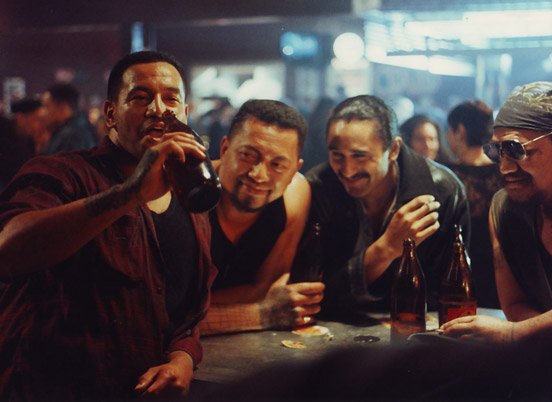
Photographer: Kerry Brown. Kindly provided by Onfilm.
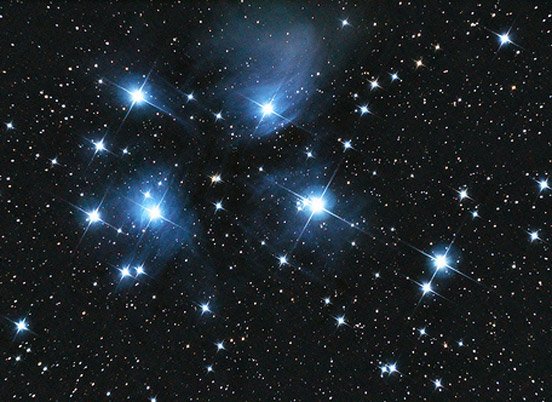
The Pleiades is an alignment of stars in the mid-year sky that signals the Māori New Year, known as Matariki.
Supplied by zAmb0ni.
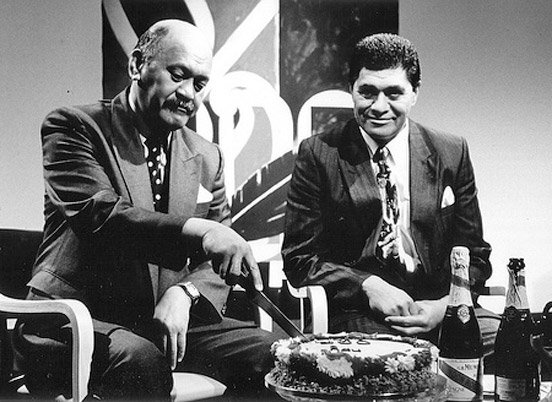
Executive Producer Whai Ngata and Kingi Ihaka celebrate the 200th episode of Waka Huia.
Kindly supplied by The Dominion Post.
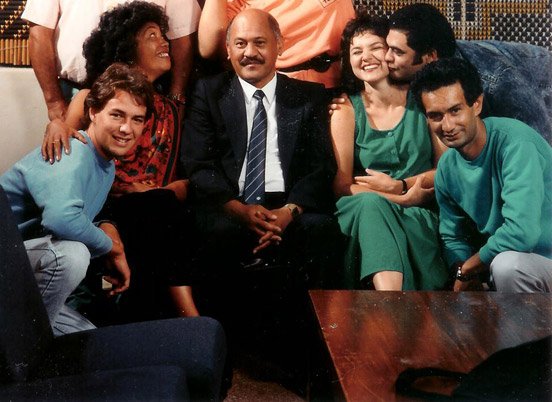
An early shot of the Waka Huia team. From left: Anthony Muru, Puhi Rangiaho, Whai Ngata, Donna Wilkinson, Te Hira Henderson and Pere Maitai.
Kindly supplied by Whai Ngata.
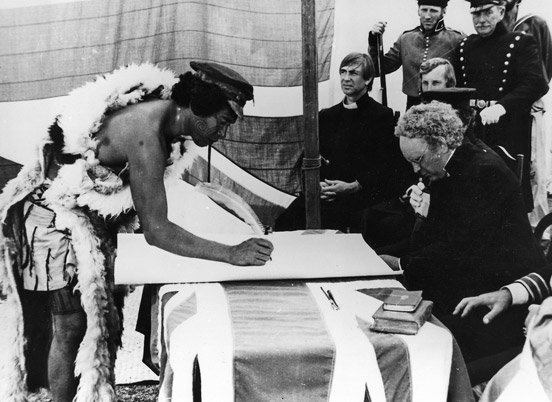
Hōne Heke (George Henare) signs the Treaty of Waitangi in 'The Reverend Traitor', the first episode of The Governor. His friend Henry Williams (Grant Tilly) sits opposite.
Kindly provided by The Dominion Post.
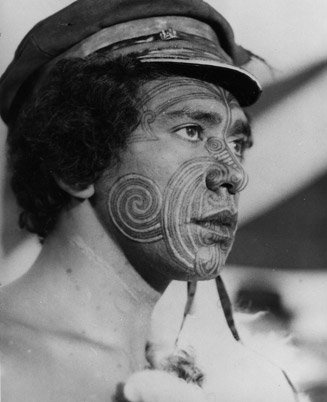
George Henare as Hōne Heke, in episode one of The Governor, 'The Reverend Traitor'.
Kindly provided by The Dominion Post
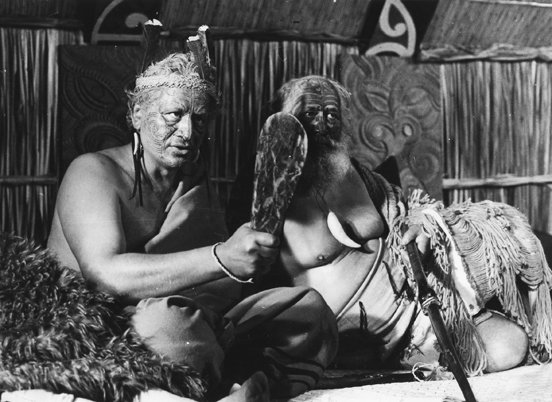
A photo from the fourth episode of The Governor: from left, Pōtautau Te Wherowhero (Bill Tawhai),the first Māori King, and Iwikau Te Heuheu, paramount chief of the Tūwharetoa people.
Kindly supplied by The Dominon Post
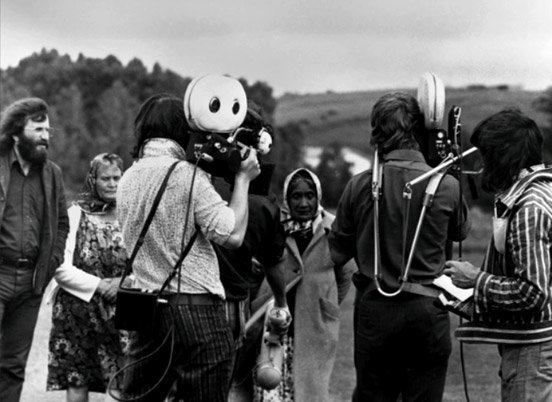
A still taken during the filming of an episode of Tangata Whenua.
©Pacific Films.
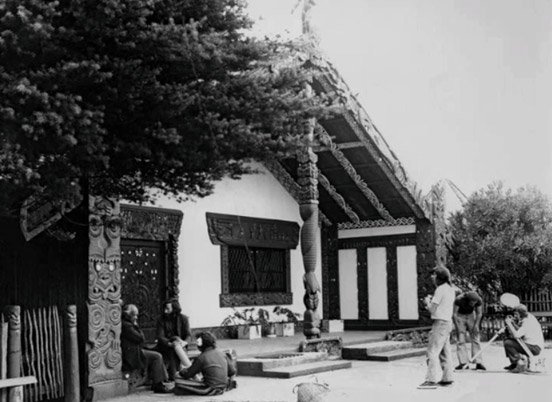
A still taken during the filming of an episode of Tangata Whenua.
©Pacific Films.
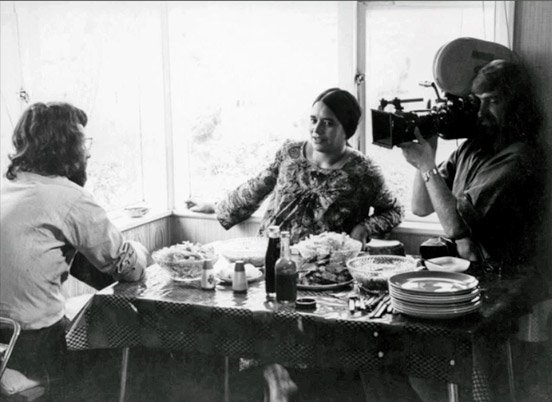
A still taken during the filming of an episode of Tangata Whenua. Michael King is at left.
©Pacific Films.
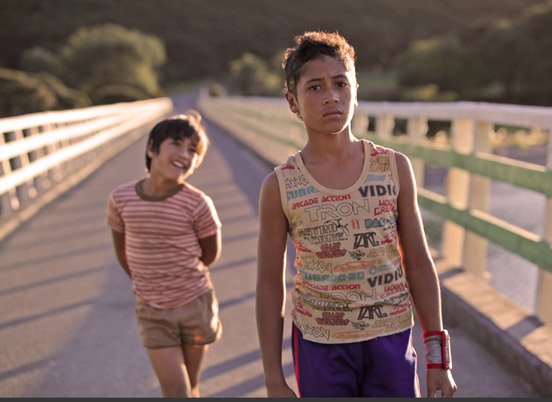
James Rolleston as Boy and Te Aho Eketone-Whitu as Rocky
Kindly provided by Trigger Marketing & Publicity.
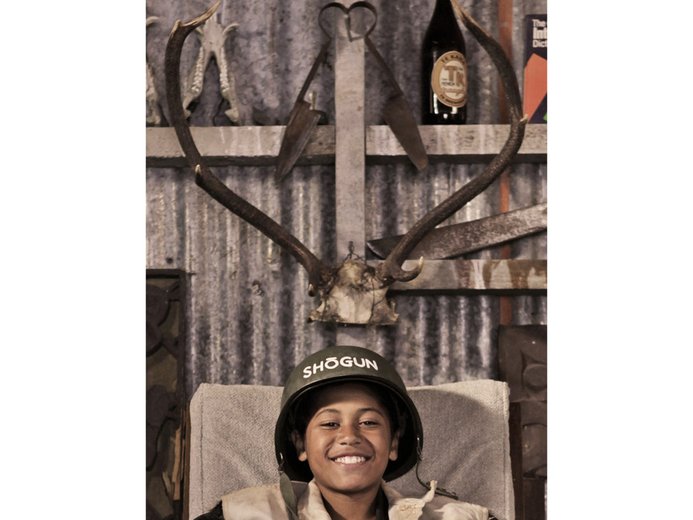
James Rolleston as Boy
Kindly provided by Trigger Marketing & Publicity.
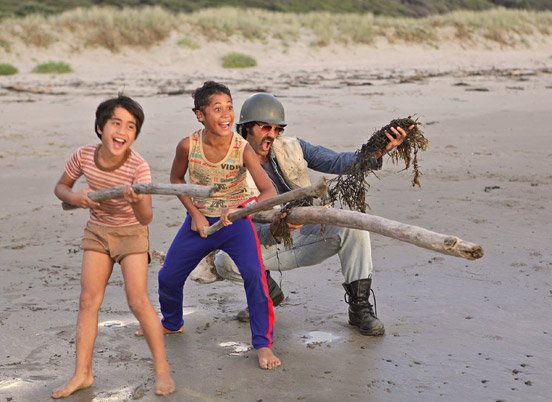
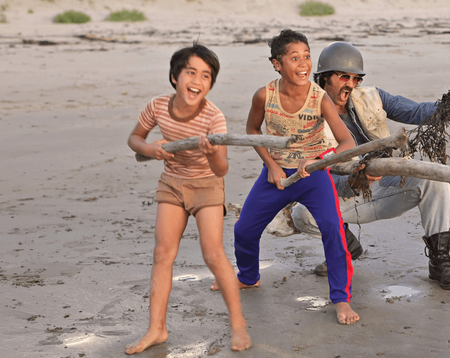
A scene from Boy: Rocky (Te Aho Eketone-Whitu), Boy (James Rolleston) and Alamein (Taika Waititi) playing war on the beach.
Kindly provided by Trigger Marketing & Publicity
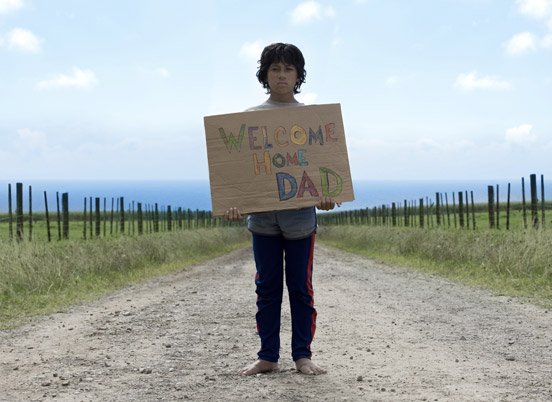
Boy (James Rolleston) waits for his Dad.
Kindly provided by Trigger Marketing & Publicity
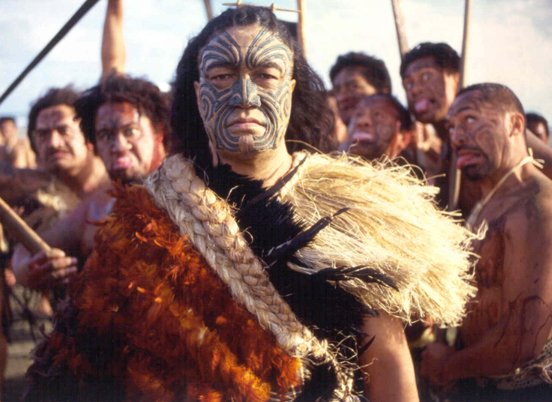
An image from the episode 'The Sands of Time'.
© South Pacific Pictures.
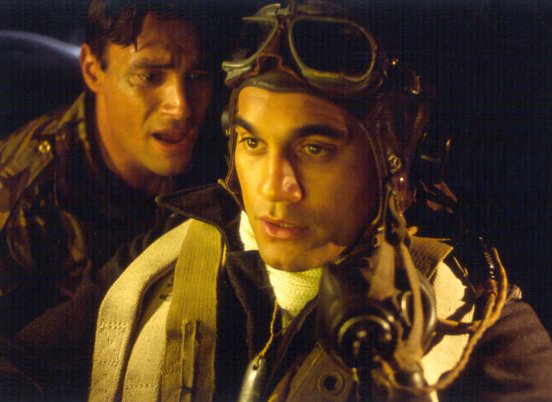
An image from the episode 'Going to War'.
© South Pacific Pictures.
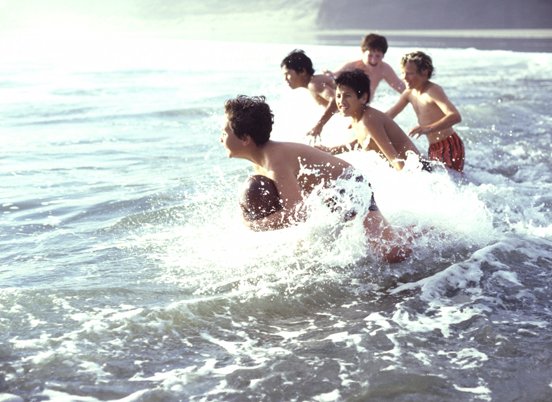
An image from Mataku episode 'The Fishing Trip'.
© South Pacific Pictures
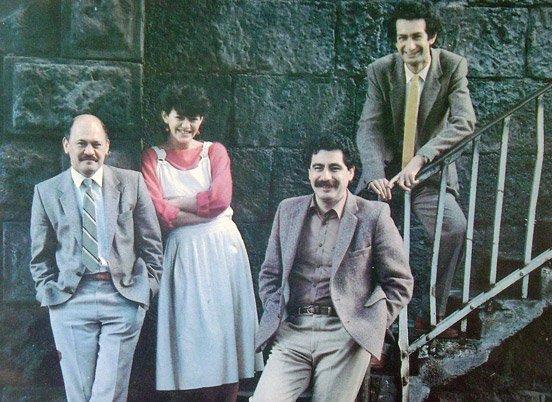
A photo from the very early days of Te Karere: from left reporters Whai Ngata, Wena Harawira, Derek Fox and Pere Maitai.
Kindly supplied by Whai Ngata.
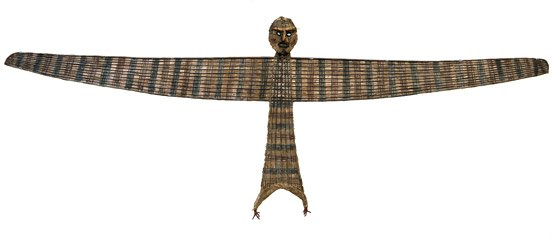
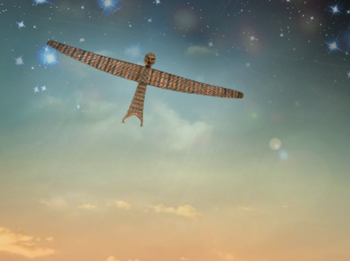
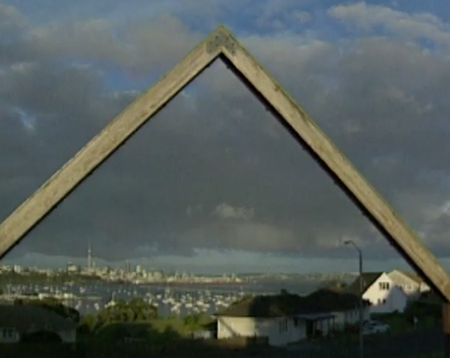
The revival of Matariki has played a part in the increasing popularity of Māori kite flying, traditionally used to welcome Matariki. This is a birdman kite held by Auckland Museum. The teeth, moko and hair made from kahu feathers that originally adorned the kite are no longer visible in this photo.
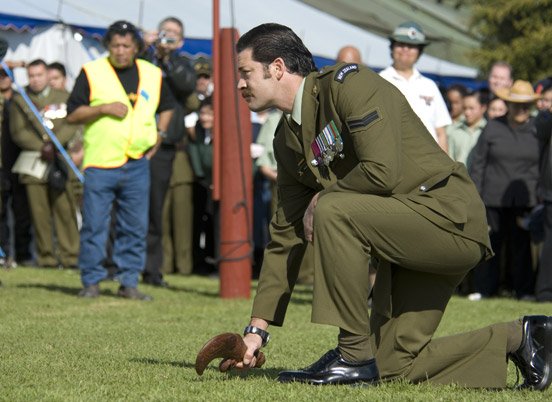
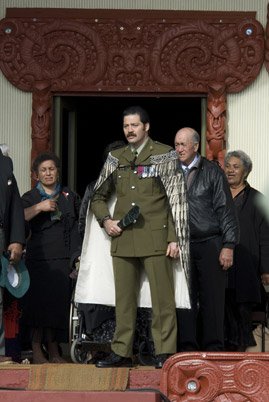
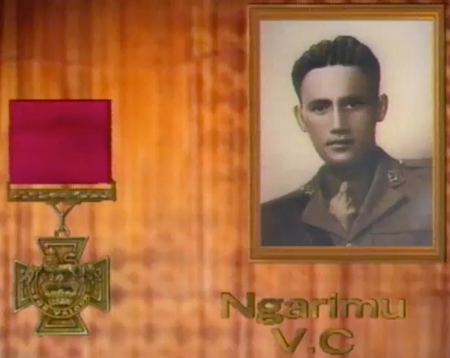
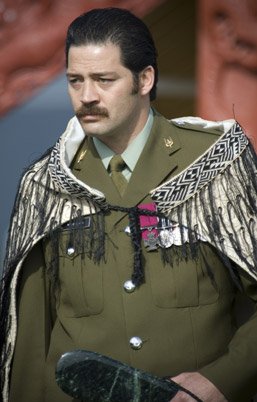
Corporal Willie Apiata during Victoria Cross award ceremony at Te Kaha Marae.
Kindly supplied by Desert Road Ltd.
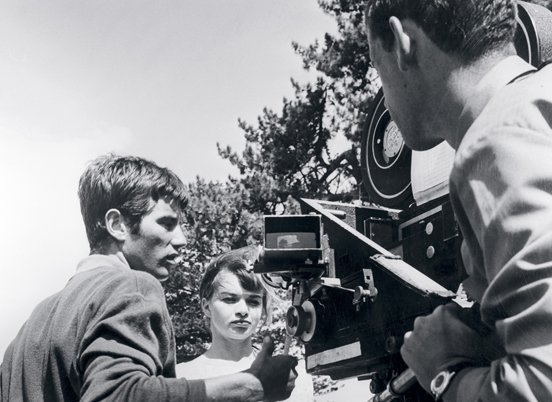
Focus puller Michael Seresin (left) and director of photography Tony Williams prepare to film an unidentified woman on the set of movie Don't Let It Get You.
Pacific Films Collection, Ngā Taonga Sound & Vision
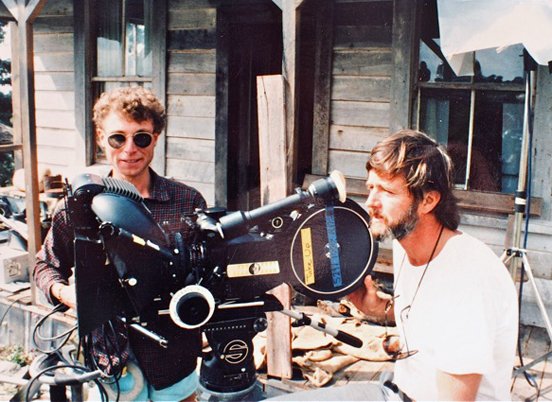
Cinematographer Graeme Cowley and clapper loader Justin Topzand, on the set of Merata Mita’s 1988 feature Mauri.
Kindly supplied by Graeme Cowley
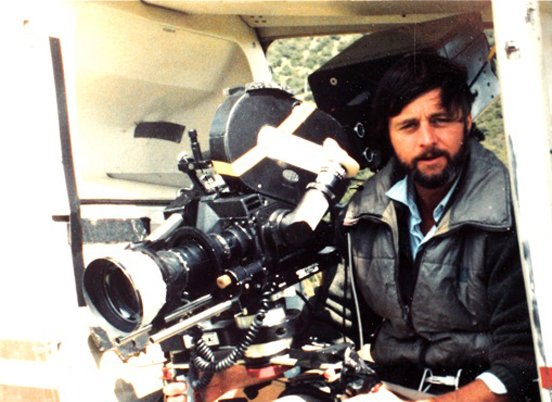
Flying high: Graeme Cowley prepares to film part of the final sequence of Merata Mita’s first dramatic feature, Mauri (1988).
Kindly supplied by Graeme Cowley
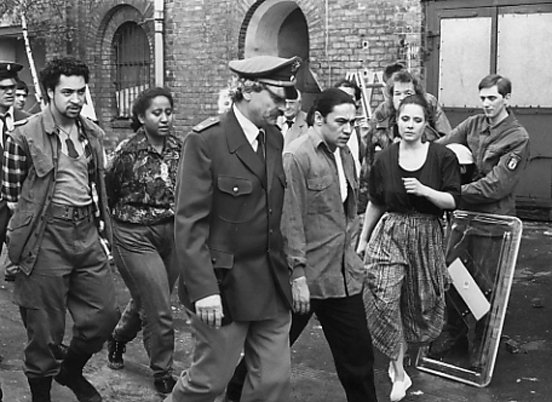
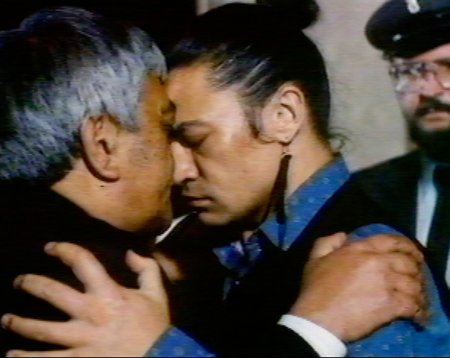
Filming the arrest after the siege for Te Rua: from left to right, Hori Ahipene, Whetū Fala, unidentified actor (as policeman), Peter Kaa, and German actor Maria Fitzi (facing camera).
Photograph by Andrezj Nowakowzki. Kindly supplied by the Dominion Post.
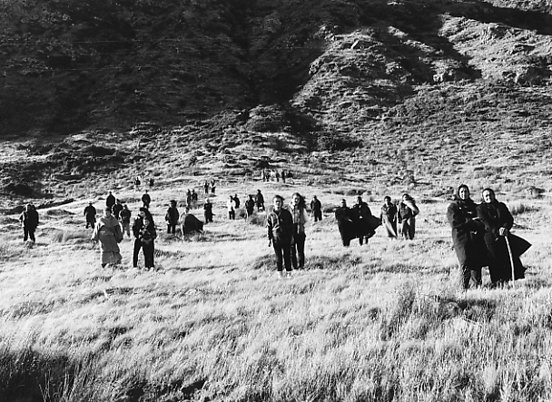
Nanny Matai (Nissie Herewini - with stick) along with other cast and extras in a scene from Te Rua.
Kindly supplied by the Dominion Post.
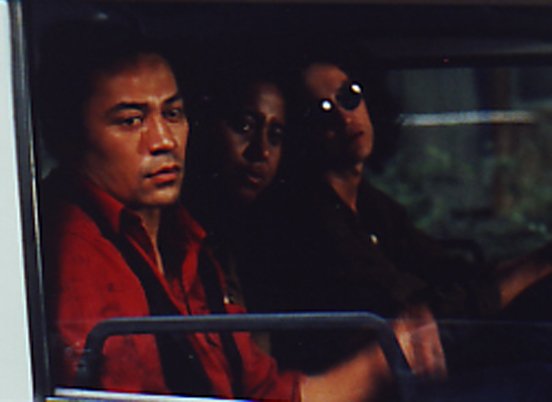
A scene shot in Berlin, for Barry Barclay's feature Te Rua. From left, Peter Kaa as Peter Huaka, Whetū Fala, Fala (Merata) and Toby Mills (Tim).
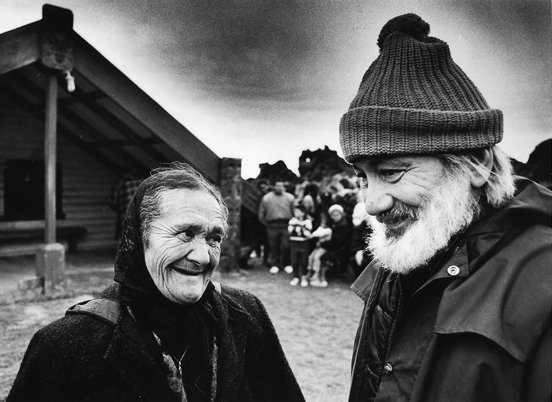
Barry Barclay with actor Nissie Herewini, during the filming of Te Rua, 1990.
Photograph by Tyrone Kallmeier.
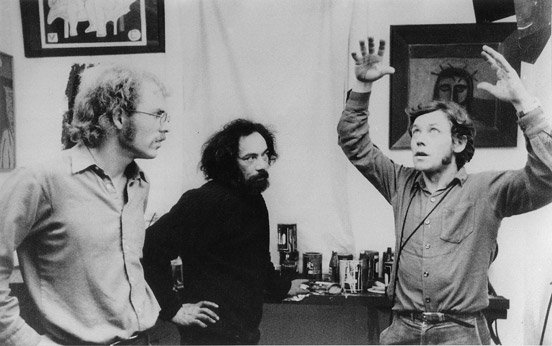
From left to right: Director Sam Pillsbury, artist Ralph Hotere and cameraman Lynton Diggle during the making of 1974 National Film Unit documentary Ralph Hotere.
Publicity photo taken by the National Film Unit. Supplied by Lynton Diggle.
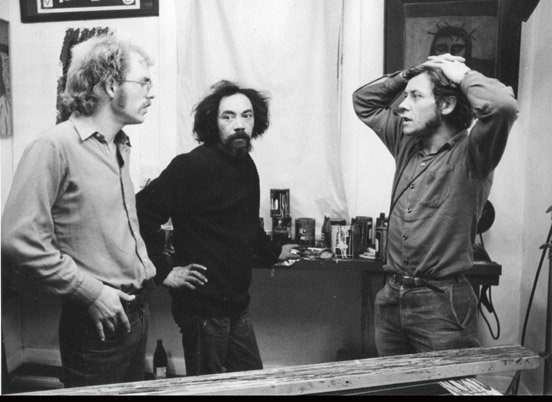
From left to right: Director Sam Pillsbury, artist Ralph Hotere and cameraman Lynton Diggle during the making of 1974 National Film Unit documentary Ralph Hotere.
Publicity photo taken by the National Film Unit. Supplied by Lynton Diggle.
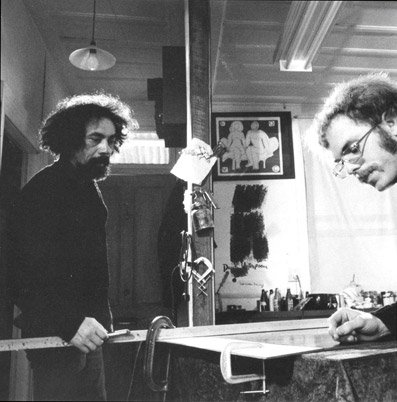
Artist Ralph Hotere and Sam Pilsbury during the production of Ralph Hotere.
Photo taken by the National Film Unit, supplied by Lynton Diggle.
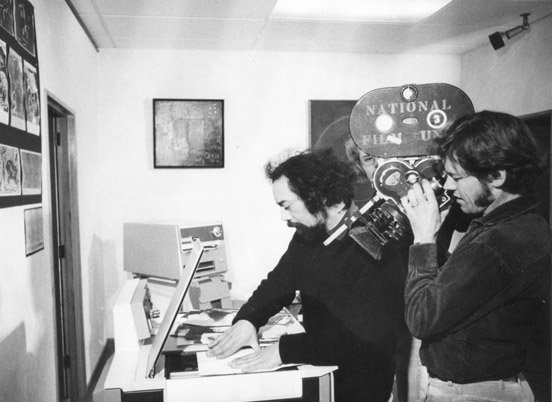
Lynton Diggle films artist Ralph Hotere as he uses a Xerox copier, for 1974 National Film Unit documentary Ralph Hotere.
Photo taken by the National Film Unit, supplied by Lynton Diggle.
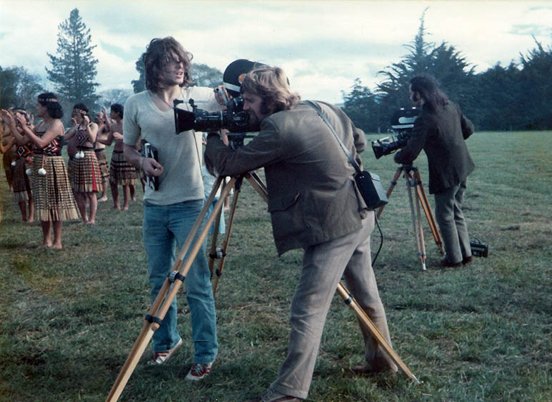
Behind the scenes on landmark TV series Tangata Whenua: chief cameraman Keith Hawke is at the centre of the frame, assisted by Waka Attewell (in white shirt). Director Barry Barclay is standing on the right, behind the second camera.
Kindly supplied by Rick Spurway.
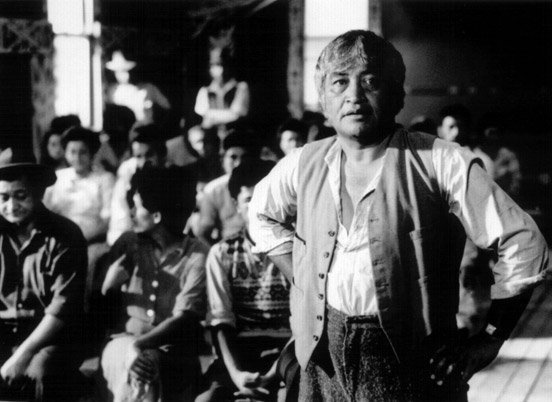
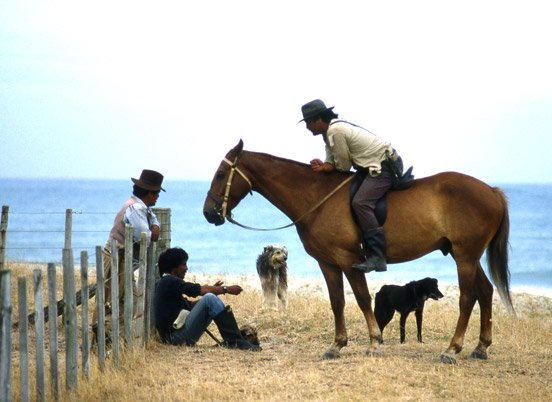
Life in the east coast settlement of Kapua; a scene from Ngāti.
Photo appears courtesy of the NZ Film Commission
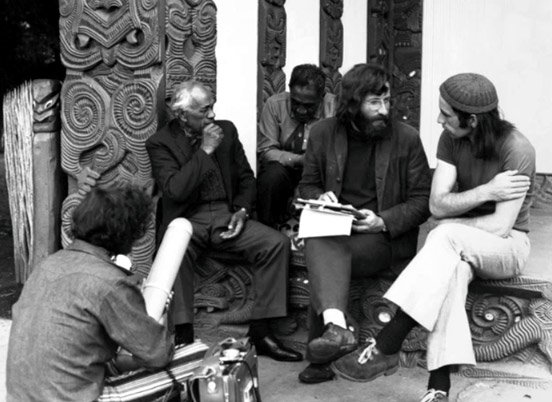
Seated from left to right: Master carver Piri Poutapu, Waikato elder Te Uira Manihera, interviewer Michael King (holding clipboard) and director Barry Barclay preparing to film.
©The family of Michael King.
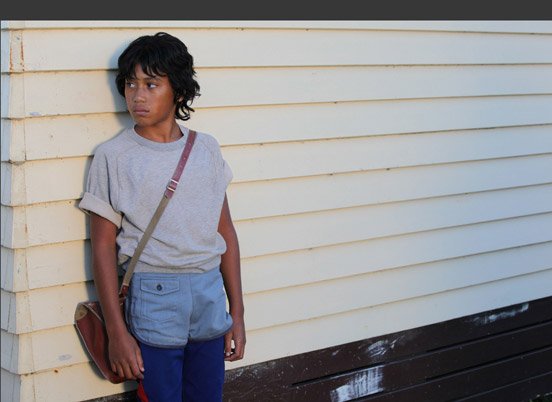
James Rolleston as Boy
Kindly provided by Trigger Marketin & Publicity
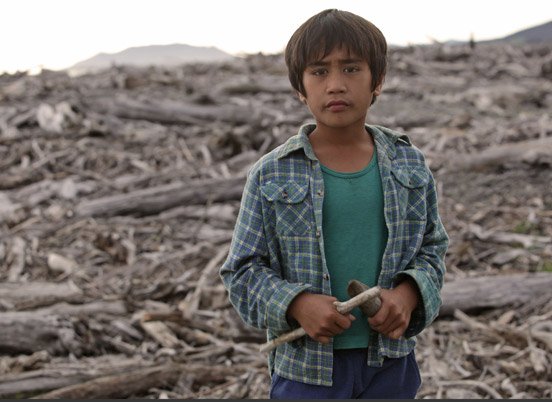
Te Aho Eketone-Whitu as Rocky, in Boy.
Kindly provided by Trigger Marketing & Publicity
More info and links
He Mihi
NZ On Screen would like to acknowledge Māori Television Service, Screentime Limited, TVNZ, TVNZ Archives, NZ Film Commission, Robin Scholes and Screenline. Thanks also to the Auckland War Memorial Museum for the use of the manu tukutuku image and zAmb0ni for the Pleiades photo.