JohnO'Shea
- Director
- Producer
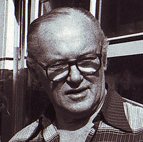
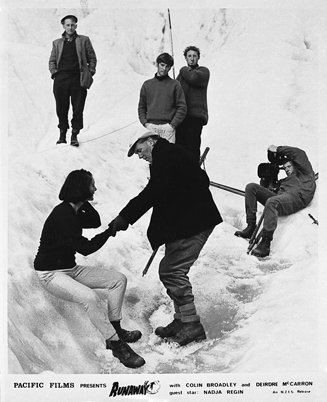
Throughout his 50 year career, John O’Shea was a pioneer and a champion of the independent New Zealand film industry. His name was synonymous with Pacific Film Productions, which he ran for over 20 years after Pacific founder Roger Mirams left for Australia. O’Shea was involved in the establishment of the New Zealand Film Commission, Ngā Taonga and the Wellington Film Society.
Biography
John Dempsey O'Shea, OBE, was a dedicated film lover and consummate practitioner of the medium. He championed an independent New Zealand film industry from the beginning of his career until his death in 2001, aged 81. He co-directed the first New Zealand feature after World War II, Broken Barrier. Later O'Shea was the subject of this documentary, and published his part autobiography Don't Let it Get You.
Screenography
Awards
1990 Order of the British Empire
For Services to the Film Industry
1992 New Zealand Film Commission
Lifetime Achievement Award
“His tenacity, idealism, literacy and creativity, his formidable and subversive wit, his generosity and kindness have encouraged and guided the film-making here for 50 years. He was our history.”
Related images