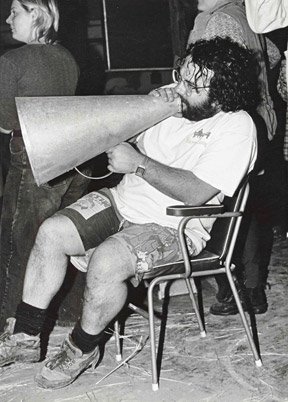
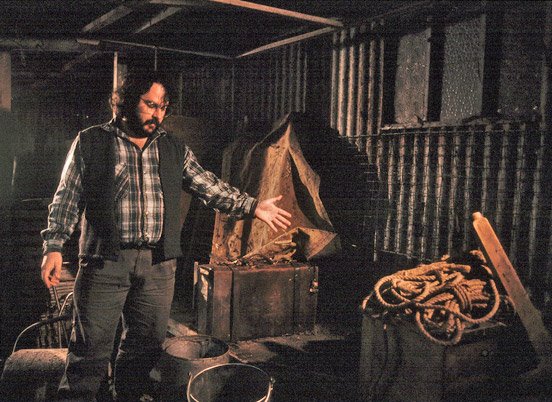
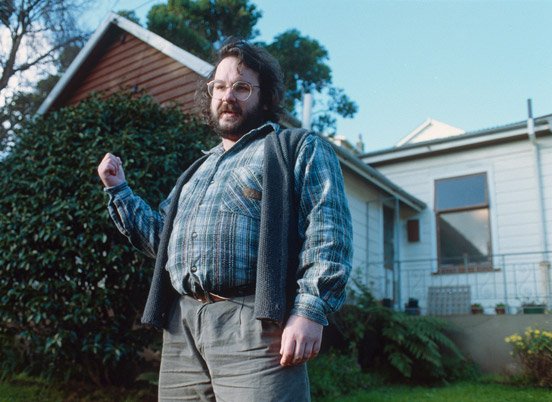
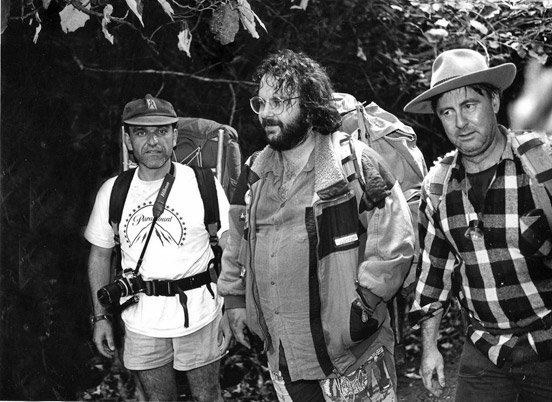
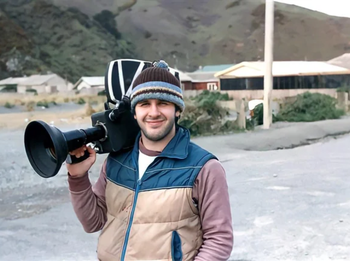
Peter Jackson grew up in the seaside suburb of Pukerua Bay, 40 minutes north of Wellington. His doting parents, Bill and Joan, had an early taste of their precocious son's future when he commandeered their super 8mm camera and proceeded to make war movies in the backyard. For years, their garden was repeatedly dug up as young Peter strove to recreate the battlefield trenches of the Somme.
From battle pictures, Jackson graduated to themes of horror and fantasy. Inspired by seeing King Kong on television, he also became fascinated by miniatures and animation. Close inspection of young Jackson's amateur films would reveal an ever-developing sophistication of technique, and a uniquely biting sense of humour. He also had an impressive ability to lead and motivate others into contributing to his productions.
Despite doing well academically, Jackson dropped out of school early so he could get a job and earn enough money to feed his film habit. He took a menial position as a photolithographer with Wellington's daily newspaper because the job description mentioned ‘film'.
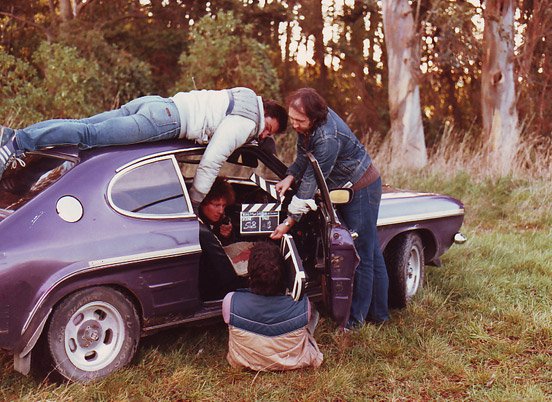
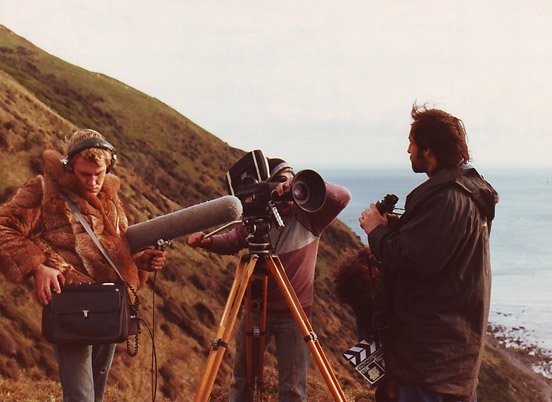
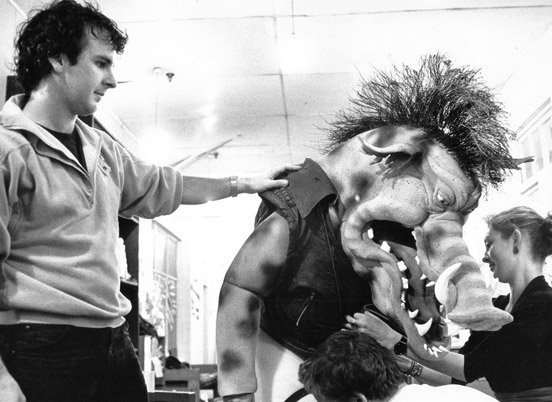
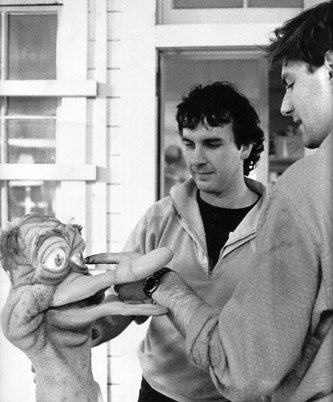
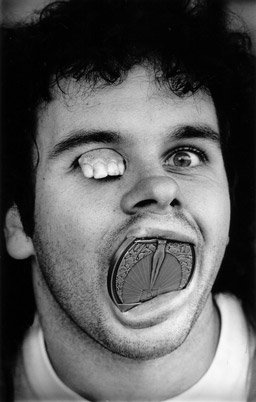
After early efforts like Coldfinger, a James Bond spoof, and Revenge of the Gravewalker, shot in super wide screen, Jackson was ready to make his first movie on 16mm. The four year extreme DIY odyssey that would eventually deliver Bad Taste (1988) to the world has been extensively documented.
Lifelong professional associations were established through that film - with late producer, Jim Booth, writers Fran Walsh and Stephen Sinclair, editor and future business partner, Jamie Selkirk, and Hollywood lawyer, Peter Nelson.
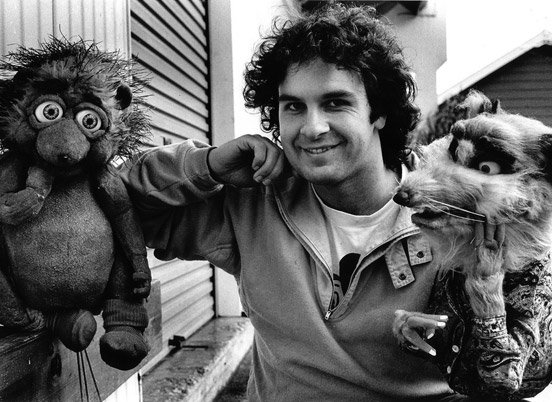
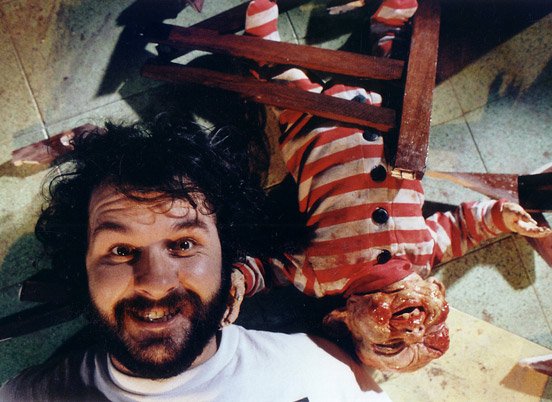
Jackson's larval talent would metamorphose into something extraordinary over the course of his next two films. Meet the Feebles (1989) was a scattershot array of gags, some puerile, but many hilarious. The take no prisoners approach was continued in Braindead (1992). But this was a far slicker production, an original contribution to the zombie genre that raised the bar for all future splatter horrors to follow.
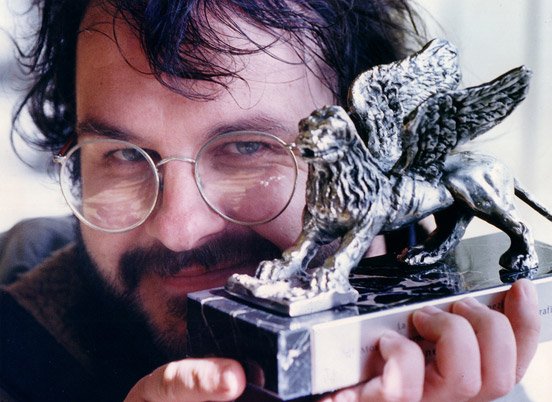
Though he was celebrated by horror fans worldwide, Jackson's reputation was distinctly mixed at home. This situation would change drastically after the release of Heavenly Creatures (1994). He had never craved respectability, but now he had it. The film took his own career to another level, and started careers for its young stars, Melanie Lynskey and Kate Winslet. It won a Silver Lion at Venice, and was nominated for a screenwriting Oscar.
One significant outcome of Heavenly Creatures was that Jackson had taken his first steps into the digital realm, establishing Weta (Wingnut Effects & Technical Allusions) and a very basic CGI facility.
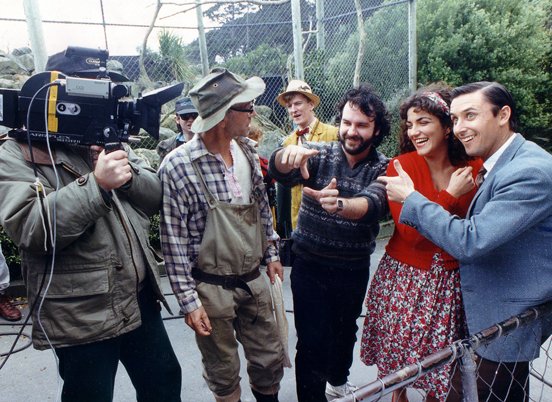
Weta would rapidly ramp up from being one person and a computer into a team of two, then seven, then over thirty as production of The Frighteners (1995) got under way. Simultaneously, Jackson worked on Forgotten Silver. The Frighteners would be his entrée to Hollywood. Forgotten Silver was, in effect, an affectionate goodbye to his old way of working.
From now on there would be no more making do, improvising, or cobbling together. Jackson's operation, and Weta, became state of the art. He invested hugely in equipment, and threw himself into preparations for a remake of King Kong. Unfortunately, the plug was pulled by the studio, Universal.
Jackson was potentially in severe trouble, with a raft of employees to support. But a lifeline came from another studio, Miramax. Casting around for a suitable project, Jackson had suggested he could adapt a certain well known trilogy by JRR Tolkein. It was a madly ambitious proposition; the rights were said to be impossible to obtain.
But they were obtained. Then after almost two years of hedging, Miramax bowed out. It seemed impossible that Jackson could find another backer. But he did. The result, after seven years of persistence, was an instant screen classic. In fact, three of them. The Lord of the Rings trilogy was a mammoth success, critically and commercially. Finally, Jackson found himself at the head of a proud Kiwi contingent at the 2004 Academy Awards. With 11 Oscars in the bag, Lord of the Rings was officially as big as Ben Hur and Titanic.
Jackson segued from Tolkien into his beloved King Kong, using many of the creative team that had worked on the Rings trilogy. The remake starred Jack Black, Adrien Brody and Australian Naomi Watts. It won three Oscars (two for sound, one for visual effects), and saw Jackson's direction nominated for a Golden Globe.
Pan's Labyrinth director Guillermo del Toro is now working on a two part adaptation of Tolkien's The Hobbit. The Jackson/Walsh/Boyens team again provide the script, as they did for Jackson's most recent turn in the director's chair: an adaptation of Alice Sebold bestseller The Lovely Bones.
Today, the shy kid from Pukerua Bay is no more. Peter Jackson has lost all trace of a formerly crippling stutter. He's a tycoon whose doings are regularly reported in the front pages of the newspaper that formerly employed him in its basement. As his friends always said of him, he was the sort of guy that wanted the whole electric train set.
Jackson's achievements include rescuing the nation's ailing Film Unit Laboratory and transforming it into Park Road Post, a world class laboratory and sound mixing facility. Weta Digital employs hundreds of artists and technicians, and has become a sought after provider of CGI spectacle for Hollywood films. Jackson's old friend and longtime collaborator, Richard Taylor, runs a large and hugely successful workshop right next door, designing and manufacturing armour, props, and miniature models.
Havng branched into co-production agreements with giants like Steven Spielberg (an adaptation of classic comic Tintin) and video game development with the likes of Microsoft, Jackson has the world of entertainment at his feet.