
Registering with NZ On Screen means you can:
We won't share your data with anyone (see our Privacy Policy) and we won't spam you. It's that simple.
Main navigation
Curated by the NZ On Screen Team
03.11.2011
Our representatives in parliament have had some of their most memorable moments captured on camera. This collection showcases the governors’ screen legacy: from stirring addresses (Kirk), feisty debates (Muldoon, Lange), revolutions, dancing cossacks, nukes, and latex puppets, to political punches (Jones), bro’Town cameos (Clark), and formative waterbed moments (Key).
This title has been added to your favourites.
Remove from your favourites.
This title has now been removed from your favourites.
You need to be logged in to add to your favourites.
Thank you. Your email has been sent.
This link could not be emailed at this time. Please try again later.
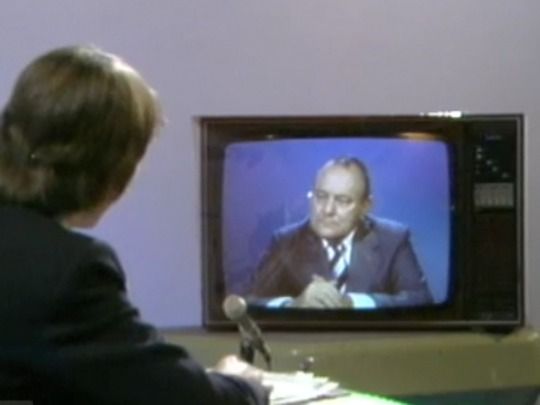
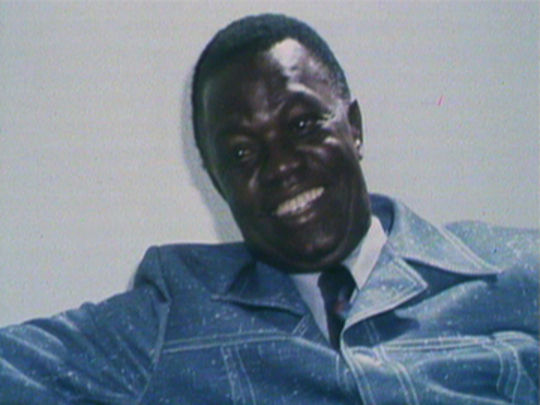
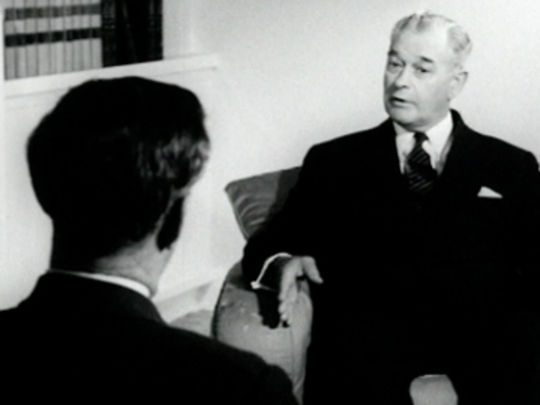
Superstar English TV interviewer David Frost talks to Prime Minister Norman Kirk. ‘Big Norm’ is statesman-like as the amiable discussion ranges from supporting beneficiaries, to opposing nuclear testing. It’s an act that proves hard for opposition leader Jack Marshall (or NZ politics since) to follow.
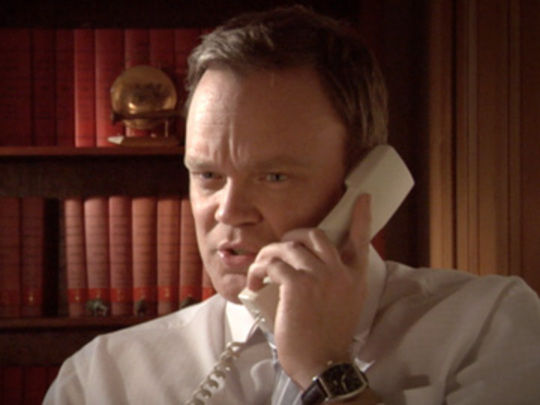
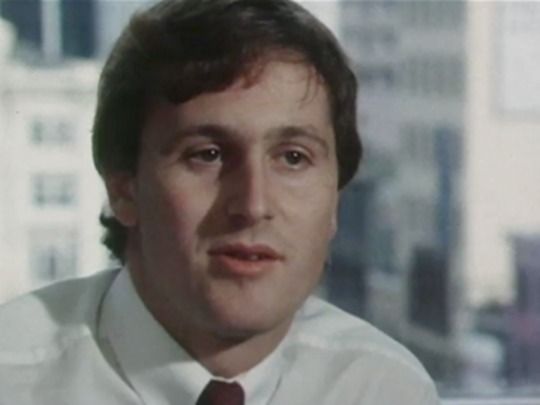
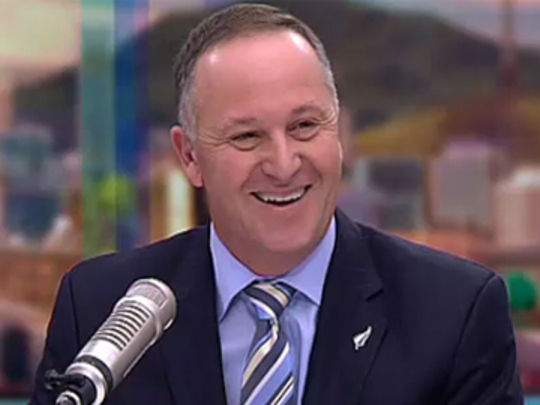
A reporter heads into “the pit” (trading room) and chronicles the working life of an 80s ‘forex’ dealer: 25-year-old squash-playing accountancy graduate, John Key. The future Prime Minister is a now-familiar grinning and earnest presence amongst the cowboys playing for Porsches in the heady pre-crash world.
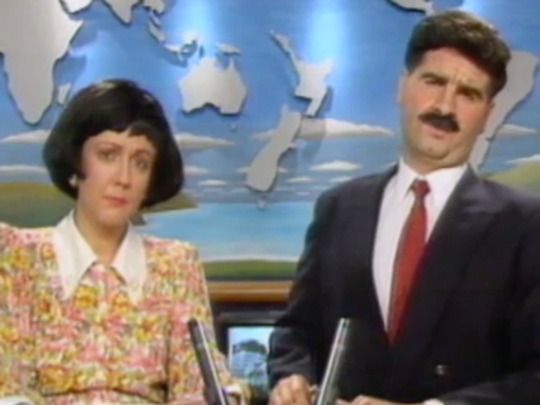
Once upon a time politicians decided in advance which questions they would answer onscreen, and the Kiwi accent was a broadcasting crime. Here is the News examines three decades (up to 1992) of TV news, including its relationship with politicians (caution: the fifth clip includes dancing cossacks).
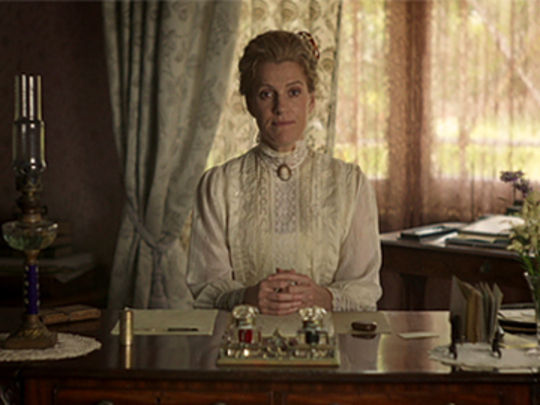
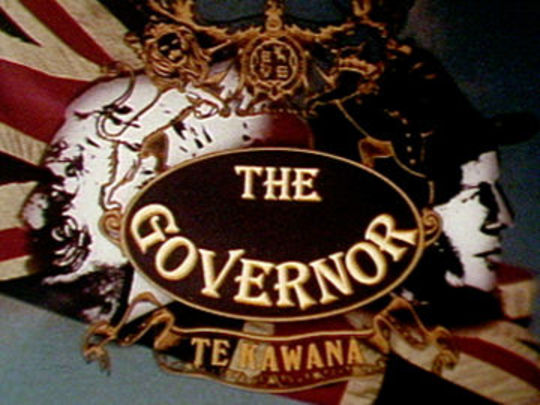
NZ TV's first (and only) historical blockbuster examined the life of colonial politician Governor George Grey. The Feltex Award-winner won audiences and controversy; its historical revisionism foregrounded Māori and undercut Grey's “Good Governor” persona with laudanum, lechery and land confiscation.
This acclaimed doco series maps the sweeping social and economic change in New Zealand society in the 1980s and early 1990s. It collects together interviews with all the major players alongside comprehensive archive footage (including David Lange’s uranium-sniffing 1985 Oxford Union address).
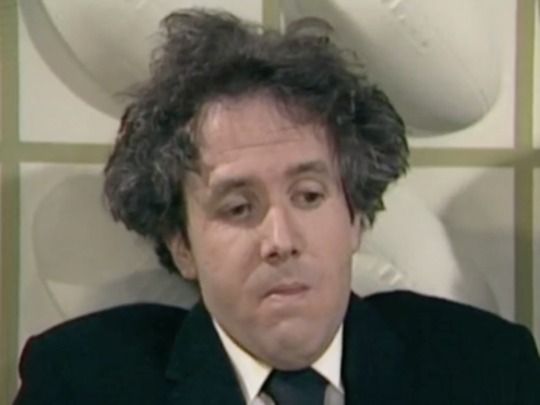
Writer/director Tom Scott mines a wealth of interviews to trace David Lange's rise from pudgy doctor's son to lawyer, to Prime Minister leading the country through radical change. Scott asks how a man as gifted as Lange allowed his Government to collapse around him after five years in office.
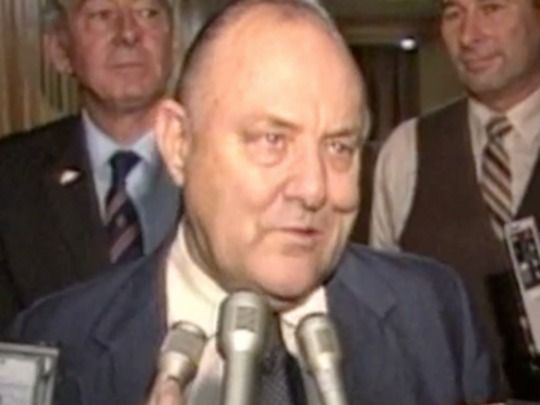
This infamous May 1976 battle of wills between journalist Simon Walker and PM Robert Muldoon sees the latter piqued by Walker’s interrogation of his assertions regarding the Soviet naval presence in the Pacific: “I will not have some smart alec interviewer changing the rules half way through.”
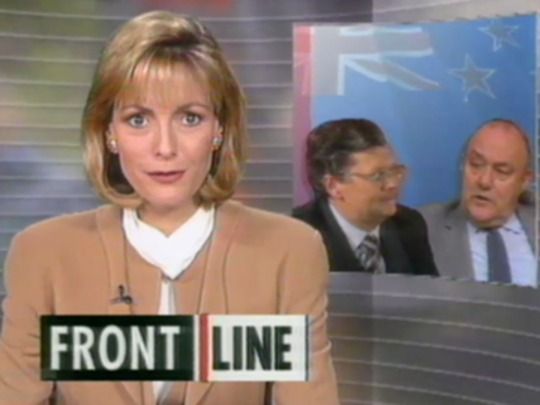
Six days out from the 1984 snap election, PM Sir Robert Muldoon and Leader of the Opposition David Lange face off in a TVNZ leaders’ debate. A tired Muldoon’s parting shot — “I love you, Mr Lange” — is a startling admission of defeat and one of the more remarkable moments in NZ political history.
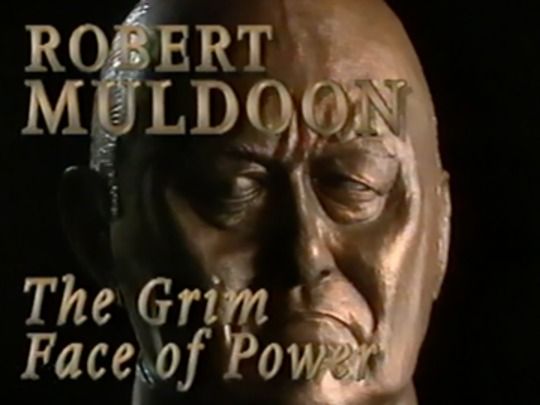
No-one else has dominated the NZ political landscape the way Sir Robert Muldoon did — or been subjected to the level of TV scrutiny he was in this controversial series made by Neil Roberts: “A voice like a buzz saw, the aggression of a street fighter, and the political cynicism of a south seas Machiavelli.”
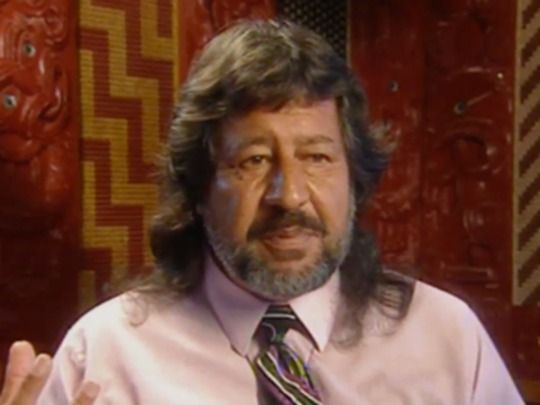
This edition of the series on Māori leaders, looks at academic and politician Dr Pita Sharples, a key figure of the Māori cultural renaissance. The future Māori Party co-leader discusses his past, present and future, and his ideas regarding kaupapa Māori (with his cherished taiaha never far away).
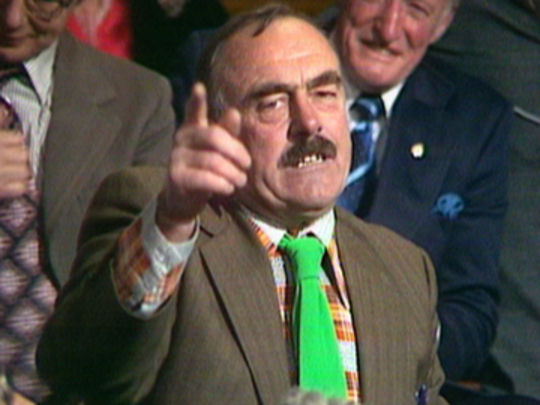
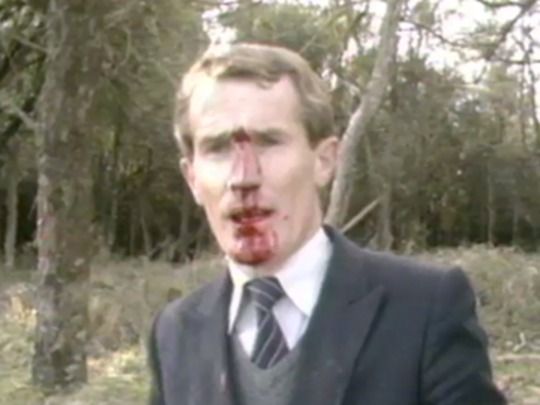
In July 1985 New Zealand Party leader (and ex-pugilist) Bob Jones and president Malcolm McDonald surprised many by announcing the nation's then-third most popular party was taking a recess. TVNZ went searching for comment, and after chartering a helicopter, found Jones fishing near Turangi ...
This pioneering political satire series entertained and often outraged audiences in three series in the late 70s. The writing team took irreverent aim at topical issues and public figures of the day; amongst notable impersonations was McPhail's famous aping of PM Rob Muldoon.
In one of NZ politics’ more notorious episodes, PM Rob Muldoon, his slender majority in tatters, calls a snap election, with unallied party president Sue Wood beside him. Amidst suggestions he was drunk, the announcement marked the beginning of the end for an era Muldoon had dominated.
Written by Tom Scott and Greg McGee, Fallout was an award-winning mini-series dramatising events leading up to NZ’s 80s anti-nuclear stand. Here, newly-elected PM David Lange (Aussie actor Mark Mitchell) is pressured from all sides (including a bullish US administration) to clarify his ‘no nukes’ stance.
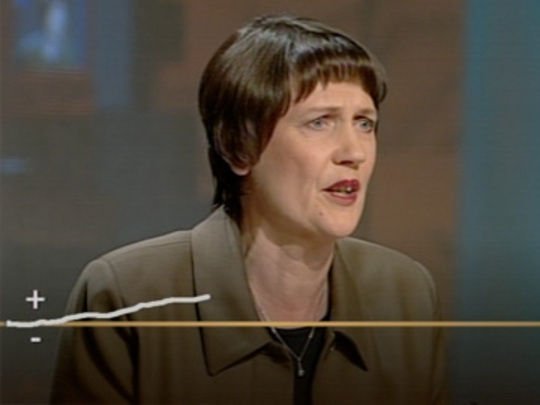
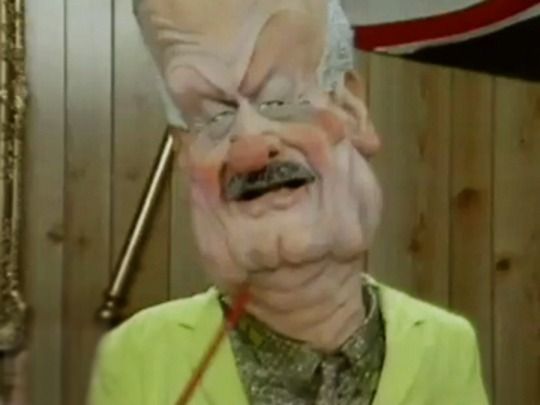
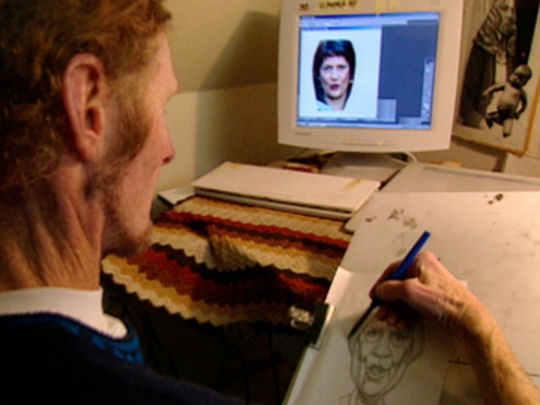
Inspired by the UK series Spitting Image, this satire series features latex puppets based on drawings by cartoonist Trace Hodgson and built by a team headed by future Weta FX maestro, Richard Taylor. Here Ruth Richardson and Winston Peters box, and Helen Clark attempts to enforce a pornography ban.
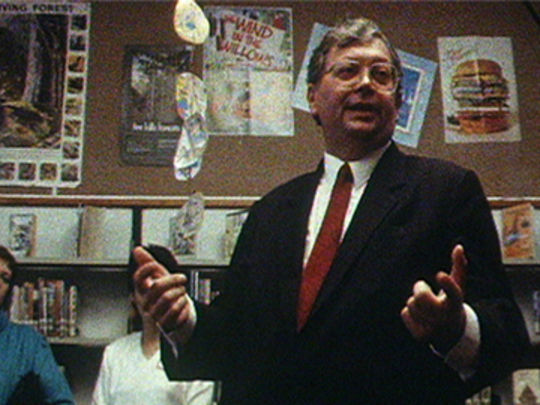
The pressure is on as intermediate school contestants compete in the 1980 final of this children’s quiz show. Future MP, minister and Speaker of the House, Lockwood Smith asks the questions; subjects include geometry, Shakespeare, anatomy, and, appropriately for the quizmaster, cabinet ministers.
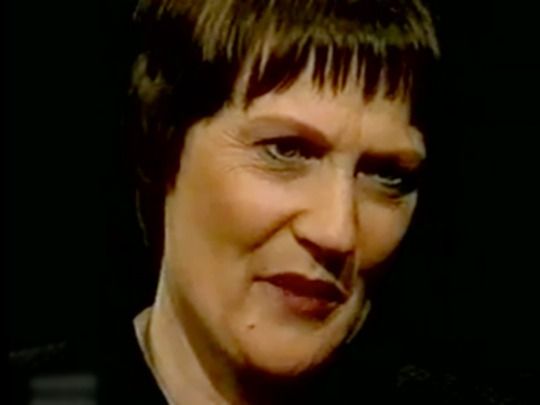
Dame Catherine Tizard has been many things: mother, marriage celebrant, and Her Majesty's rep in NZ. Here Tizard takes reporter Marcia Russell through her life, from a Waikato farming town, through marrying her uni lecturer, and leading Auckland as mayor, to her Governor-General role.
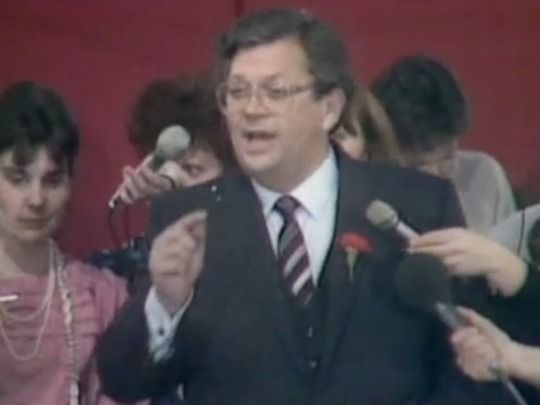
In 1973 PM Norman Kirk announced that the anniversary of the signing of the Treaty of Waitangi would be a national holiday: New Zealand Day. The inaugural 1974 day featured a royal entourage, the Aotearoa pageant (from giant moa to the Age of Aquarius), and Kirk’s iconic speech to the nation.
One of the pop culture pleasures of this hit comedy series was its Kiwi take on the Simpsons celeb cameo. Here PM Helen Clark joins other personalities in the crowd for the school musical. Aunty Helen plays on her arts champion image and chimes in for the chorus, “... Morningside for life!”
The tagline runs: “The story of unemployment in New Zealand”; this documentary takes as its starting point the consensus from The Depression onwards that economic policy should focus on achieving full employment, and explores how this was radically shifted by the 1984 Labour government.
This 1983 'Best of' from the David McPhail and Jon Gadsby sketch comedy show featured highlights from series five including: 'This Is Your Life with Robert Muldoon'; Lin Waldegrave’s popular impersonation of music show host Karyn Hay; and a Goodnight Kiwi take-off in 'Goodnight from the Beehive'.
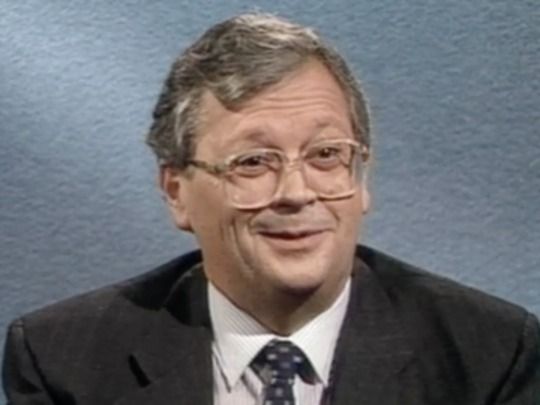
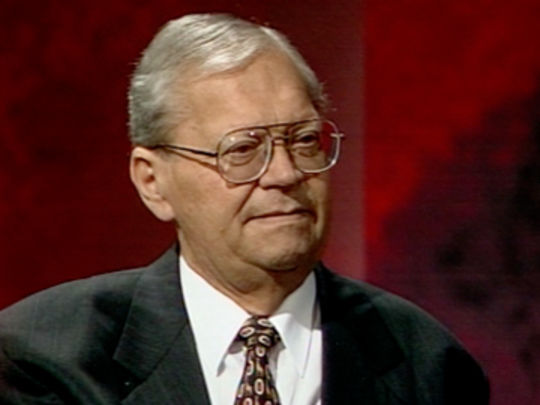
Kim Hill interviews former PM David Lange. Aged 60 and battling ill health, Lange talks about “the loneliness of politics”, achievement; and about facing his own mortality. Lange says he is not haunted by death, but celebrates his time with his daughter Edith. Lange died two years later, in 2005.
In this episode David “Mr Current Affairs” Exel politely interrogates Labour PM Norman Kirk on his first 250 days in office; ranging from England's changing role in the Commonwealth to Kirk's weight loss. Dairne Shanahan comments on the PM’s image and Ross Stevens notes broken election promises.
This doco looks critically at the radical economic changes implemented by the 1984 Labour Government — where privatisation of state assets was part of a wider agenda that sought to remake New Zealand as a model free market state. Here the trickle-down ‘Rogernomics’ theory is counterpointed by its social effects.
Also directed by Alister Barry, this doco is about the National Party and the 2005 election; it was made in conjunction with Nicky Hager’s eponymous book (written from leaked party emails). Don Brash’s infamous Orewa speeches, Exclusive Brethren “attack” pamphlets and Iwi/Kiwi billboards all feature.
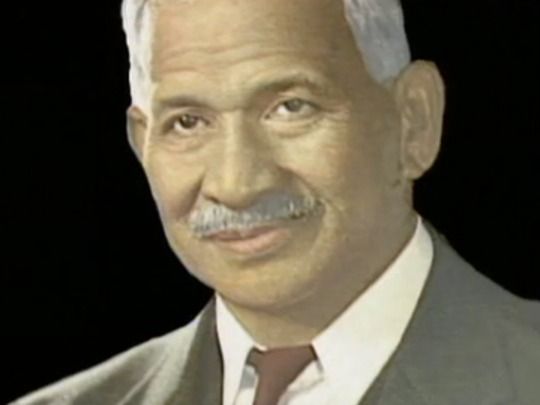
Ngāti Porou leader, land reformer, politician and scholar Sir Apirana Ngata is the subject of this episode from the Pounamu series, about leading Māori figures. Ngata was the first Māori university graduate, a Minister of Native Affairs, and advocated that Māori had to co-exist with Pākehā.
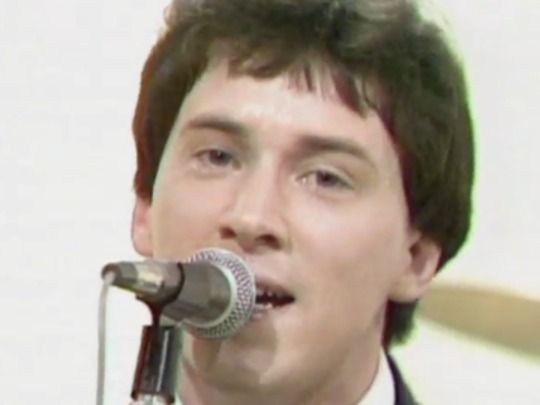
In the tradition of novelty songs, ‘Culture?’ was catchy to the point of contagion. Fuelled by carnival keyboards, it was The Knobz response to Rob Muldoon’s refusal to lift a 40% sales tax on recorded music — and to his typically blunt verdict on the cultural merits of pop music (“horrible”).
Media commentary show Fourth Estate ran for 12 minutes on Friday nights in the mid-80s; no media outlet (and especially not broadcaster TVNZ) was safe from the ruminations of journalism lecturer Brian Priestley et al. Here the subject under scrutiny is coverage of the 1987 general election.
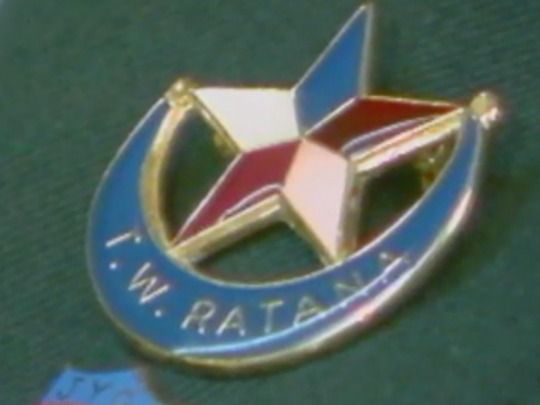
This episode of the Pounamu series features a re-enactment of part of the life of Prophet Tahupotiki Wiremu Ratana. Ratana was, and remains, a key influence in Māori politics and religion. For years virtually all Māori MPs were followers of the Ratana faith and supported the Labour Party on his instruction.
It’s election time in this episode from the weekly satire series about a PR firm (the writing team included James Griffin, Tom Scott and Roger Hall). Ethics be dammed, Giles Peterson and Associates will take on any client or candidate — as long as they can master the intricacies of The Worm.
Peter Sinclair presides over this quiz show final with students from Waikato and Auckland universities competing for bragging rights (and 80s personal computers). Auckland captain (and future Labour MP) Charles Chauvel sagely stays away from undergraduate humour — unlike his fellow contestants.
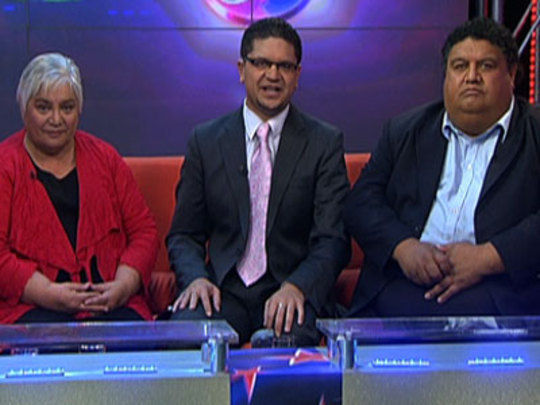
Marae (now Marae Investigates) is the longest running Māori current affairs show, and the Marae Digipoll a respected meter of matters Māori. A high point of the show is the post-election mustering of successful Māori candidates — this 2008 edition features the five Māori Party and two Labour Party MPs.
The main feature of this Queer Nation episode focuses on Marilyn Waring, an MP from 1975 - 84. She talks candidly about the personal cost of being in parliament, especially when she was outed as a lesbian. Waring also shares her opinions about the Civil Unions Bill and why she's opposed to it.
In this episode of the beloved 80s kids’ adventure series, 12-year-old Terry Teo has stumbled on a gunrunning operation. Meanwhile, the mysterious, but dim, Thompson and Crouch report to their boss (played by ex-PM Sir Robert Muldoon); and Billy T James turns out to be a very cultured bikie.
The controversial first use of the f-word on NZ TV no longer exists — but extant segments from the showcase for Arthur Baysting’s sleazy, comedic alter-ego include a launch by PM Rob Muldoon, a performance by Limbs Dance Company, a visit to the Close to Home set, and some Mark II Zephyr worship.
On the heels of Issues (1990), More Issues offered satirical takes on local and international current affairs. It poked fun at the advent of news-presenting personalities (eg. Paul Holmes), and celebs and politicians of the day (including David McPhail's reprisal of a conniving Rob Muldoon).
This doco chronicles the colourful life of Donna Awatere-Huata: activist, ACT MP, education and literacy programme promoter, opera singer, businesswoman, author, Ngā Tama Toa member, ‘81 Tour protest leader, daughter of war hero-turned-murderer. It was filmed prior to her conviction for fraud.
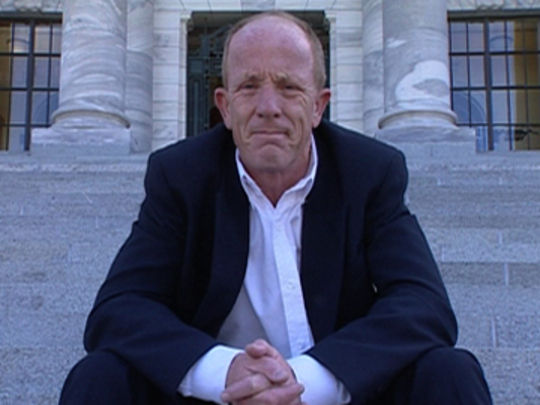
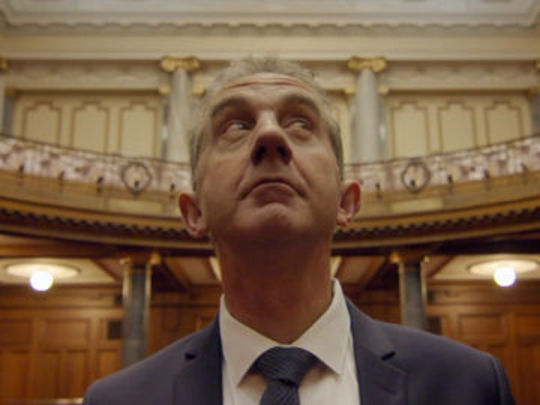
Guardian correspondent and Listener columnist Toby Manhire intros the collection and muses on screen politics. Read more >
NZHistory.net looks at electioneering on the small screen, from campaign adverts to coverage of the big night. Read more >
Finalist - Most
Outstanding Website
The ONYAs 2010 & 2011
Best Entertainment Website
Finalist – Website design
Qantas Media Awards 2009
NZ ON SCREEN 2012
This website has been made with funding from NZ ON AIR ›