



This remarkable, free-wheeling mix of drama and documentary follows a class of 11-year-old school kids from Petone as they explore what freedom means to them. The Paekakariki beach fantasy scenes especially, make for a “wonderfully idiosyncratic” (Roger Horrocks) hymn to juvenile freedom.
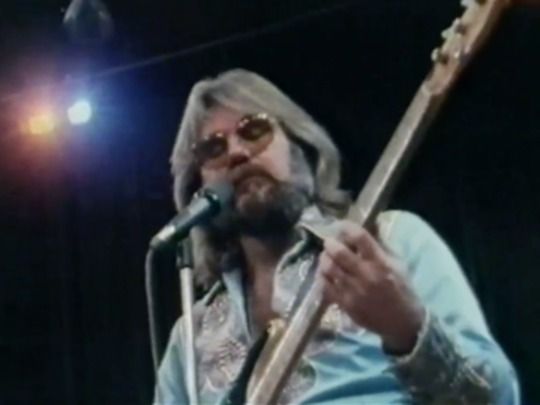
This doco follows country rocker Kenny Rogers and the First Edition (pre-'The Gambler') as they tour NZ on a Road Services bus. All shaggy hair and satin jackets, they see the sights, play baseball, put down a hangi, break into song and admire Aotearoa’s ‘dignified’ pace. If only it had a McDonalds ...
This inventive doco is a “pub battle” where three people from very different fields, but united by a common dedication to their respective callings, are brought together to debate their passions: choirmaster Maxwell Fernie, astronomer Peter (The Night Sky) Read and rugby journalist Terry ‘TP’ McLean.
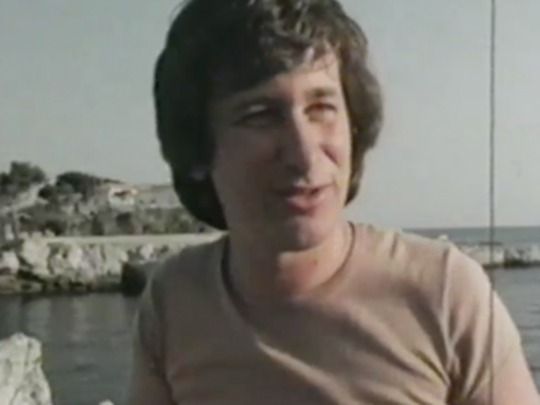
Cannes is the French town where Bergman meets bikinis, and the art of filmmaking meets the art of the deal. In 1975, some unlikely expat Kiwis managed to score interviews with cinema’s emerging talents: Werner Herzog, Martin Scorsese, Dustin Hoffman, and a boyish Steven Spielberg promoting Jaws.
Gliding On meets Borat as a man pretending to be a fisherman from a fictional town journeys to Wellington to find out if any government agency will take action about fish dying in his river. This prescient doco frames the corridors of power as a paper-shuffling hell from which he will never escape.
This Feltex winner is a terrific example of how a fresh interpretation of a conventional brief, could make for engaging TV. The foot-loose film explores a plethora of clubs created to bring people together, from air hostesses to flying saucer believers. Poet Denis Glover provides sardonic commentary.
This mud and oil splattered doco is about the 1973 Heatway Rally, in which 120 drivers covered 3600 miles over eight days. It was a major logistical exercise, with five camera units, manned by a who’s who of the 70s NZ film industry (Murphy, Donaldson, Bollinger etc). It won a best doco Feltex Award.
The Hum
Short Film, 1974 (Full Length)
Directed by Williams and written by Martyn Sanderson, this doco focuses on sailing legend Geoff Stagg, and his veteran ocean-racing crew as they take on the Wellington to Sounds race in Whispers. Dolphins, Strait squalls, streaking, ciggies, and some fierce 70s moustaches are all in a weekend’s sailing.
Shot in black and white (by Terry King and future Harry Potter cinematographer Michael Seresin), this early Tony Williams directorial effort answers its road safety instructional mandate with considerable verve, as a jazz soundtrack builds the tension setting up a literal ‘lives collide’ plot.
Opening with an image of Orpheus floating on the water, this inspired doco climaxes with a contender for NZ TV’s most eye-opening montage yet, with its 2000 image mash-up finale. It showcases the infinite ways the human voice can make music, from choirs, opera, and balladeers to protest singers.
Made on a wind-up Bolex camera, this announced the arrival of 21-year-old Williams. Meshing music and imagery it shows a painter and a composer (music was by Robin Maconie) taking inspiration from their surroundings. The ground-breaking indie film was seen as “a manifesto for a new kind of local filmmaking”.
Williams takes his seachange literally and sets off with three mates in his recently restored 66-foot motorboat to journey from Sydney to the Coral Sea. With a grown-up son as cameraman, their adventures include witnessing an eclipse, and island-hopping their way through reefs. Made for ABC (Australia).
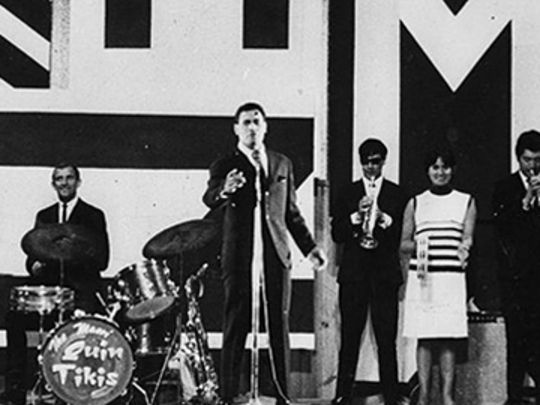
The late 60s saw Williams soaking up cinematic experiences in LA, London and France, plus shooting and editing two films for Iranian director Mahmoud Khosrowshahi. In the second film, Williams chronicles an east meets west festival held in the sonically cosmopolitan Iranian city of Shiraz.
Takis Unlimited
Television, 1969 (Full Length)
The first film Williams made with Khosrowshahi is a meditative look at the European art world of the late 60s. Its focus is Vassilakis Takis, a Greek artist who creates kinetic sculptures out of discarded electronic objects, and plans to mass produce cheaper versions of his work. But will it still be art?