FionaCopland
- Producer
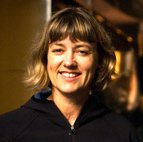
Producer Fiona Copland is noted for quirky and ambitious feature films, many of them made with first-time directors. 2009's The Strength of Water won praise at festivals in Rotterdam and Berlin, while ensemble drama Matariki debuted at the Toronto Film Festival. In 2019 she reunited with Topless Women Talk about their Lives director Harry Sinclair, for the first of multiple seasons of award-winning animated series Kiri and Lou.
Biography
Fiona Copland was born in Patea, Taranaki, but grew up in Christchurch and Hastings.
After graduating with a history major from Canterbury University, Copland departed New Zealand for an OE that included a period working at an oil terminal in the Shetland Islands.
Screenography
Awards
2024 New Zealand Television Awards
Best Children’s Programme (with Harry Sinclair): for Kiri and Lou
2023 SPADA Screen Industry Award (New Zealand Screen Production and Development Association)
Independent Producer of The Year
“The roads that already existed were narrow, and there was a lot of mud ... the Hokianga part of the shoot was emotionally rewarding because of the way the community embraced us, but physically quite difficult. ”