Registering with NZ On Screen means you can:
We won't share your data with anyone (see our Privacy Policy) and we won't spam you. It's that simple.
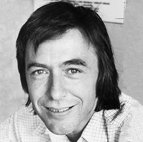
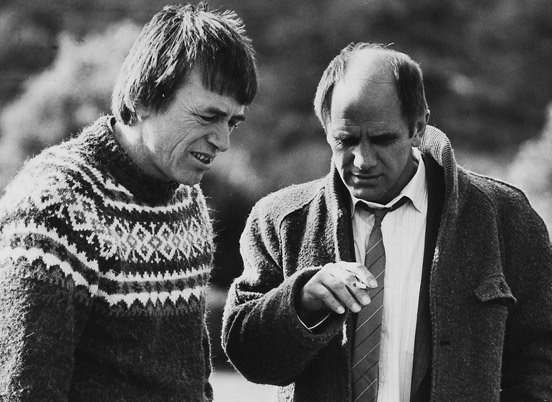
Geoff Murphy arguably helped usher in a new age of appreciation for New Zealand cinema, when he consecutively directed three classics of the Kiwi film renaissance: road trip blockbuster Goodbye Pork Pie, colonial epic Utu, and end of the world tale The Quiet Earth.
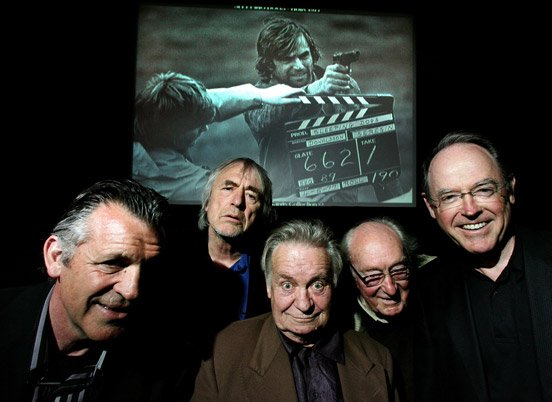
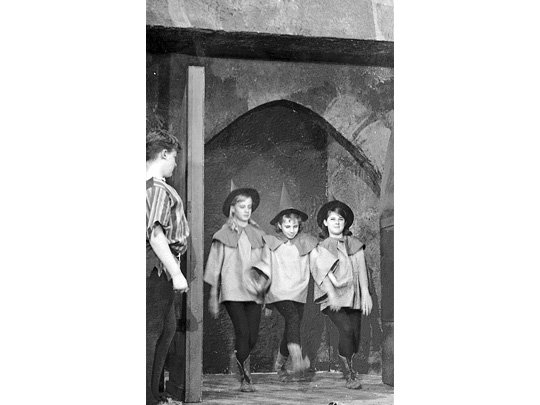
Murphy was a teacher in Wellington when the film bug bit. After a kickstart from friend Derek Morton, Murphy began in the mid 60s by working on wildly ambitious, ultimately unfinished short The Magic Hammer, based on a musical he had written for one of his primary school classes. By now Murphy was hanging out at a local jazz club alongside a group of people "with ardent, and often misguided artistic ambitions" - among them future collaborators Bruno Lawrence , John Charles and Alun Bollinger. Pooling resources, they began making films together in the late 60s.
Using old film stock and borrowed equipment, the trio worked together on short film Tank Busters. This tale of student bankrobbers starred Bruno and Murphy himself, and was purchased for screening by the NZBC, who may have been unaware their resources had helped get it made. When the magic bus of Blerta (the Bruno Lawrence Electric Revelation and Travelling Apparition) left town for its first tour the following year, Murphy was on-board, as trumpeter, filmmaker and explosives expert. The philosophy of Blerta was to avoid boredom through creative activity, a philosophy "pursued with great vigour".
Murphy honed his directing skills on a series of slapstick shorts featuring character Percy The Policeman, based on material he had created as a primary teacher. Murphy then helped pull together the short-lived Blerta TV series (1975), which mixed musical performances with sketches. The series was heavily influenced by Monty Python, but exhibited a robustly Kiwi sense of humour. Excerpts from both the Blerta series and the Percy sketches can be seen in compilation Blerta Revisited.
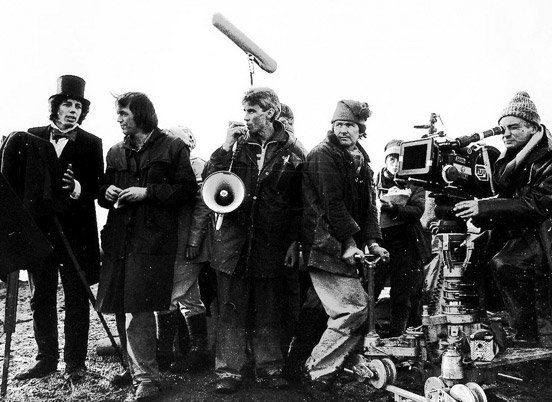
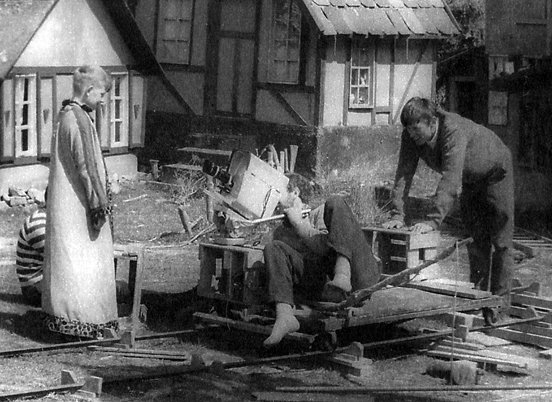
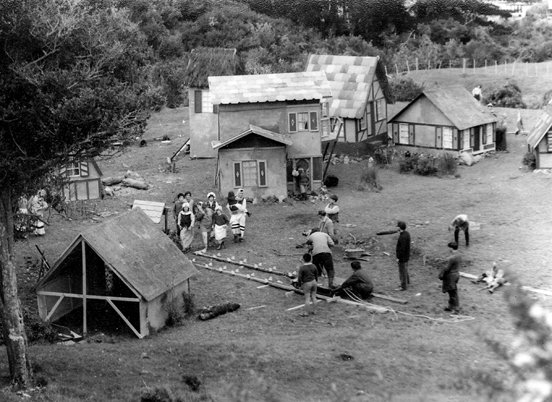
Drawing on all his skills and contacts, Murphy headed to the West Coast to cobble together comic colonial tale Wild Man, which at 73 minutes is often regarded as his feature debut. The budget was around $25,000, plus $30,000 more to blow the print up to 35mm. Wild Man was semi-improvised by many of the Blerta regulars, and partly funded by money from the Blerta series. When it was shown on a double bill with Murphy-directed Fred Dagg short Dagg Day Afternoon, audiences responded enthusiastically.
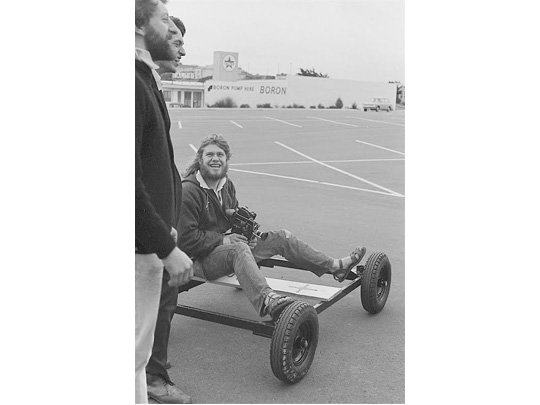
Murphy's all-round technical abilities would help keep the wolf from door over coming years; outside his own projects, he cooked up explosions and fake AK-47s for feature Sleeping Dogs, and rented out a homebuilt camera crane (built with Andy Grant), when they were as rare as hen's teeth. Murphy also helped other filmmakers get early projects off the ground, from Vincent Ward's A State of Siege to co-writing Gaylene Preston's debut feature Mr Wrong.
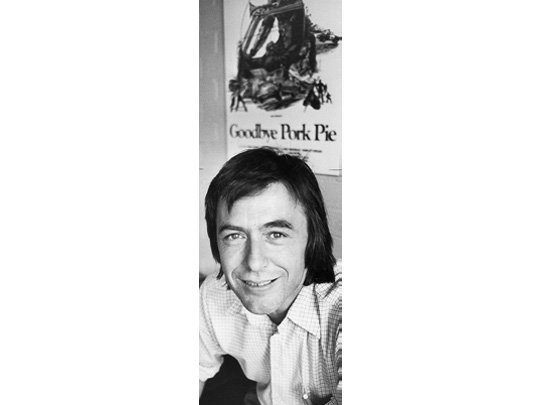
After Wild Man, Geoff Murphy began developing a script called Meatballs with Ian Mune - until the arrival of a Canadian film with the same title saw the name changed to Goodbye Pork Pie. Though Sleeping Dogs had done okay, Pork Pie marked our first local blockbuster, partly, as Murphy noted, because "it was a celebration of New Zealandness". The film mixed the Mini Cooper hijinks of The Italian Job with a spirit of rebellion. Refuting claims by some that the film was an attack on the police, Murphy argued that Pork Pie was "more an attack on the law. Just about everything you want to do in this country is illegal or you need a permit to do it."
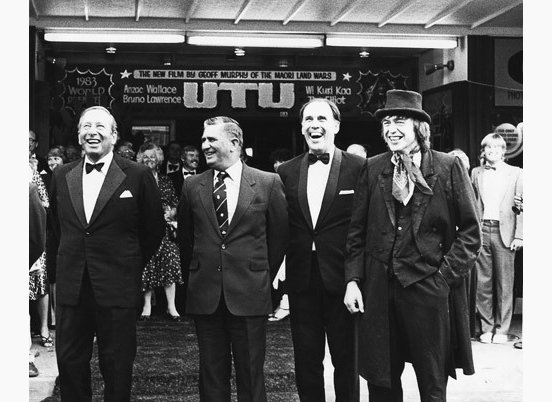
Murphy's followed Pork Pie with arguably his most ambitious film to date: period 'Western' Utu (1983). The film follows Te Wheke (Anzac Wallace), a Māori warrior seeking revenge for the massacre of his village. Mining action, comedy and empathy for both its Māori and Pākehā characters, the $3 million production was the first historical epic directed by a local since Rudall Hayward's Rewi's Last Stand, four decades before.
The character of Te Wheke was based on Maori leaders as varied as Te Rauparaha, Wiremu Tamihana and Te Kooti; Murphy argued that the character was "true to Māori leaders of the period and even draws on some in the present day". As some of the Utu advertising material demonstrates, Murphy deliberately set out "to draw a parallel between the conflicts of today's New Zealand and those of the last century".
Utu proved a local hit, despite mixed reviews. Overseas, Le Monde called the film "a unique astonishing film", "spectacular but intimate"; The Montreal Press praised it for combining the adventure and romance of old Westerns with a humanist approach to its Māori characters.
End of the world tale The Quiet Earth (1986), written and shot under urgency to meet tax shelter demands, became another Kiwi classic. Adapted from the Craig Harrison novel, and originally a Sam Pillsbury project, the film featured an extended solo turn by Bruno Lawrence as one of the last men on earth. The Quiet Earth sold to around 80 countries, gained a cult following, and won Murphy attention in the United States.
He followed it with another movie shot on the road. Released on an impressive 69 local screens, Never Say Die was a light-hearted thriller about a couple on the run, with cameos from John Clarke and Murphy veteran Tony Barry. Again Murphy showed the keen casting eye which had seen him pick the untried Anzac Wallace for Utu; this time overcoming opposition from his producers to give the main role to the relatively-untried Temuera Morrison.
By now feeling frustrated and constrained by funding limitations, Murphy embarked on an extended period of international wandering. After acting in Merata Mita's Mauri he directed his first project outside New Zealand: 1989 TV movie Red King, White Knight, a spy thriller featuring an Emmy-nominated performance by Max Von Sydow.
Over the next decade Murphy worked largely in America. Murphy bought style and pace to bratpack western Young Guns II and Steven Seagal train thriller Under Siege 2. He also helmed a host of televison and cable TV projects, including Rutger Hauer thriller Blindside and Mickey Rourke western The Last Outlaw.
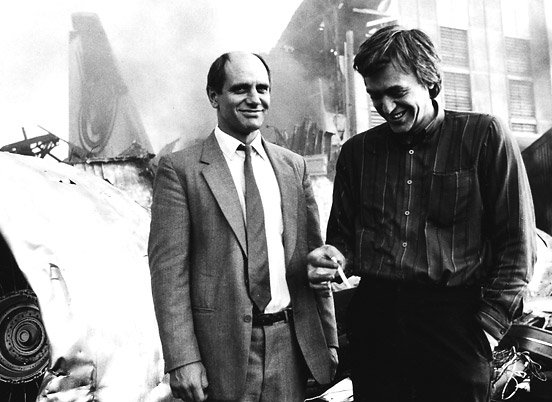
Murphy has made significant contributions as a second unit director to a number of big-budget productions, including US-shot disaster movie Dante's Peak, directed by Roger Donaldson, and Peter Jackson's Lord of the Rings.
In 2001 Murphy put together Blerta Revisited (aka Blerta - The Return Trip), which collects together skits, shorts, and music from the Blerta archives. He followed it by with his first drama on home soil in 14 years: conspiracy thriller Spooked, (2004), which proved a box office disappointment. Starring Cliff Curtis as an investigative reporter on the trail of a mysterious payment, the film was inspired by the real-life case of an Auckland computer dealer caught up in a legal battle over bank records found on some old computer equipment.
Murphy's most recent film played in the 2009 round of film festivals. Tales of Mystery and Imagination is an experimental take on music inspired by Edgar Allen Poe's writings, composed by saxophonist Lucien Johnson. The film mixes concert footage, special effects and interviews - including one with Murphy himself, where he draws parallels between the project, and his early years performing with Blerta.
Sources include
Geoff Murphy
Roger Booth, Bruno - The Bruno Lawrence Story (Christchurch: Canterbury University Press, 1999)
Helen Brown, 'Mr Pork Pie - rebel of the silver screen' (Interview) - Evening Post, 15 August 1981
Geoff Murphy, 'The End of the Beginning’ in Film in Aotearoa New Zealand. Editors Jonathan Dennis and Jan Bieringa (Wellington: Victoria University Press, Second Edition 1996)
Utu Press Kit