You are here:

Kevin Smith

Actor

 Kevin Smith

Biography

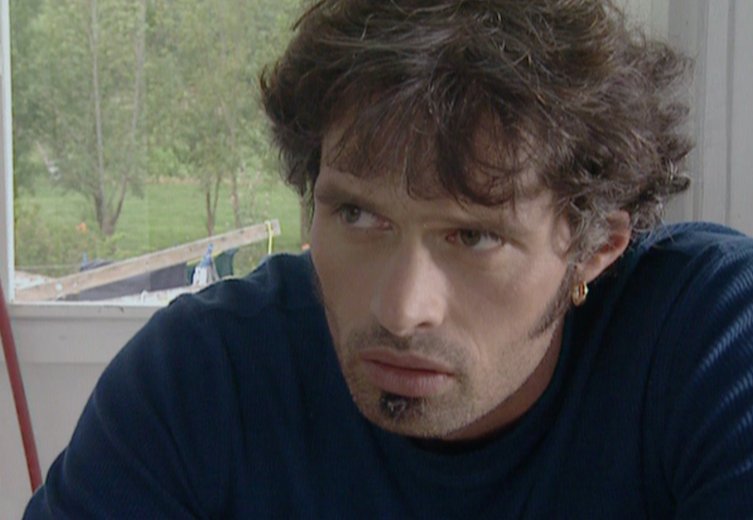
He was proud to be identified as a Kiwi bloke. But the late Kevin Smith had no time for the boundaries sometimes foisted on blokes, or those blessed with movie star looks.  A family man who loved to sing, play the guitar and crack a joke, he often got asked to play the bad guy; a sports lover who made a habit of using the playing styles of various All Blacks when describing acting, he was also, in the words of Michael Hurst, "a writer and raconteur of great wit and sensitivity."

Kevin Smith was the son of a naval officer father, and a mother of German and Tongan blood. He grew up in Timaru, then Christchurch. He later said: "I was never the golden child. Things didn't come easily to me at school, I didn't have many friends."

Yet Smith had the gifts to do many things. There were stints in wool stores, at university, on the rugby field, as a trainee policeman, as a musician (in post-punk band Say Yes to Apes), and as a stand-up comedian.

Smith's acting career began thanks to his love of Elvis, and wife Suzanne. While he was recovering from a rugby-induced bout of concussion, she learnt of auditions for a touring Elvis musical. Smith became understudy. Later he got work as an extra on Spot On and McPhail and Gadsby. He also began acting at Christchurch's Court Theatre, where he first took on the iconic Marlon Brando role in A Streetcar Named Desire.

Around the age of 27, it was time for Smith to make some tough decisions - after being reminded by director Raymond Hawthorne that he only had "10 years left as a leading man". Smith decided that acting would win out over music. He also left the Court theatre after being invited to join series three of hit TV soap Gloss, which was being produced in Auckland. Smith played a swank schemer with Chelsea Redfern in his sights.

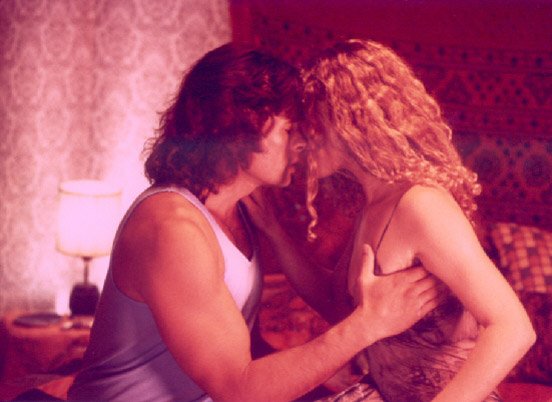
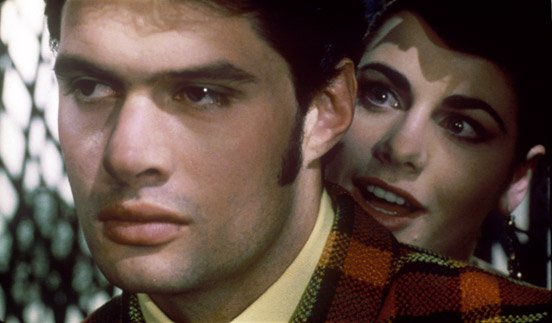
Comedic and muscle roles followed: theatrical sensation Ladies Night; a role as an aerobics instructor on Shortland Street; blowhard Joe Blow on sketch show Away Laughing; and the object of desire in short film Mon Desir.

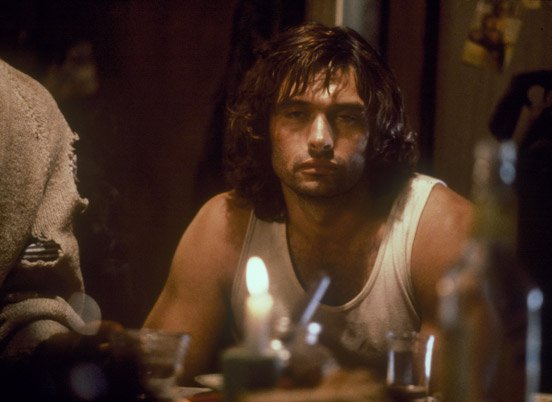
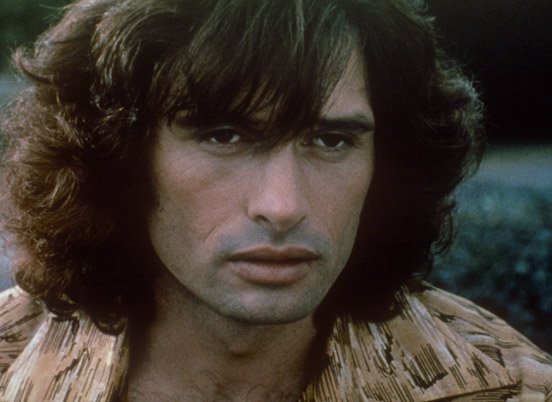
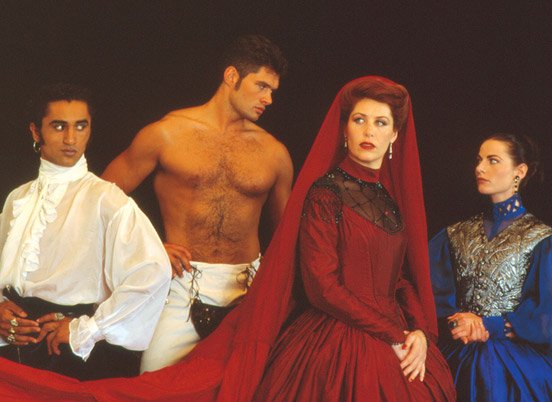
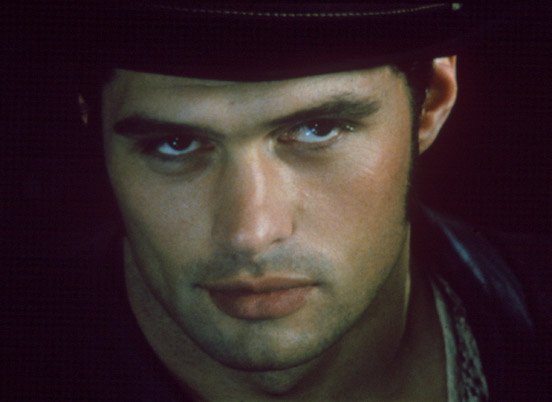
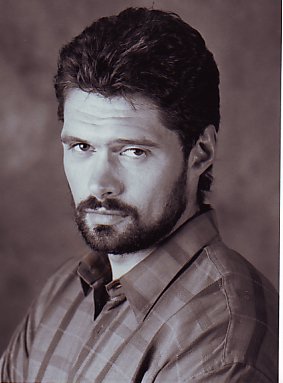
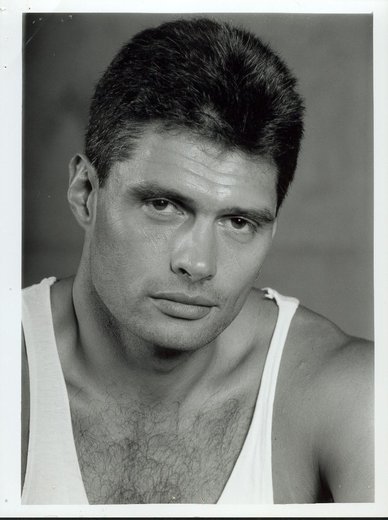
Good looks helped make Smith's career, but he was aware they could be a mixed blessing. When describing his performance as  a "decent but dangerous" immigrant in Desperate Remedies - Smith's first film - critics tended to leave it at "handsome". Australian reviewer Peter Kemp went further, calling him "a hulking tumescent mass of smouldering lips, piercing eyes and sweaty pectorals". Desperate Remedies co-director Peter Wells commented that incredible looking actors were "part of the language of the melodrama game".

Over the next few years Smith appeared occasionally in Australian TV, including a small role in 1994 inter-racial drama Heartland - Cate Blanchett's first sizable screen role.

The following year Smith won Best Supporting Actor at the New Zealand Film and Television Awards for his work as a scheming businessman in Kiwi casino drama Marlin Bay.

He also spent two months in Hollywood, during the loony season when networks create pilots for new programmes. But Hollywood job hunting carried the danger of buying "into a level of desperation which feeds on itself..next thing you're going out for your third lead in any cheesy sitcom."

Ironically Hollywood - and a level of international fame and fan worship - was about to enter the picture, back in Auckland. After a 1995 guest role in TV show Hercules: The Legendary Journeys, portraying Hercules' jealous brother, Smith won the part which would see him straddling multiple shows, over six years.

This time Smith was the villainous Ares, God of War.  Fresh from portraying Othello onstage, Smith revelled in playing a charismatic character who sees himself as "absolutely necessary in the larger scheme of things".

Come 1996 Smith was appearing in the opening of ill-fated Kiwi ensemble series City Life. Playing the owner of the apartment building in which the series was centered, Smith's character shared a brief screen kiss with one of the series' male characters.

As the nineties came to an end, Smith was gratified to find he was being considered for a broader range of roles than before. In the space of the last few months of 1999 he appeared in the final episode of Hercules (though he continued on companion show Xena), showcased his theatre sports skills on TV’s Scared Scriptless, completed his fourth feature Jubilee, and witnessed the release of a film he considered a key step in his career.

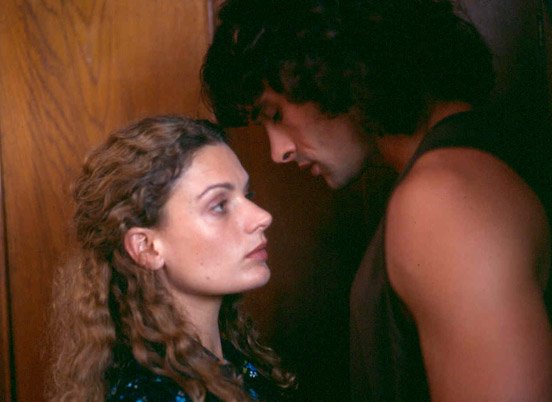
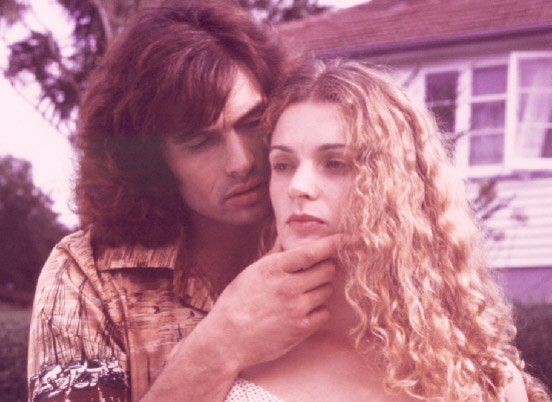
Channelling Baby was a moody, offbeat Rashomon-style drama, starring Smith and Danielle Cormack. Smith played a troubled Vietnam vet caught up in tragedy,  seances, and romance. Sunday Star-Times reviewer Michael Lamb praised the film, plus Smith and Cormack for "working together so well". (The duo would later reteam for a sell-out theatrical season of The Blue Room, which saw Smith playing ten characters and winning awards.)

Jubilee involved a much smaller role, as a former All Black. The former Nelson Bays Colts representative was anxious not to fall into the cliche of playing the role "like a meathead".

1999 was also launch date for TV's Lawless, the biggest role of Smith's screen career. After years of playing  bad guy, sidekick, or romantic interest in female-led features, Smith finally got top billing, as an undercover cop turned bouncer, turned private investigator.

Lawless ultimately arrived on the screen as three tele-movies. The first proved a multi-award-winner. Smith was nominated for best actor, but had to watch as Television Awards went to Joel Tobeck, playing the villain,  and Angela Dotchin, playing his equally photogenic sidekick and quasi-romantic interest. American actors C. Thomas Howell and Jennifer Rubin would guest-star in back to back sequels Lawless: Dead Evidence and Lawless: Beyond Justice.

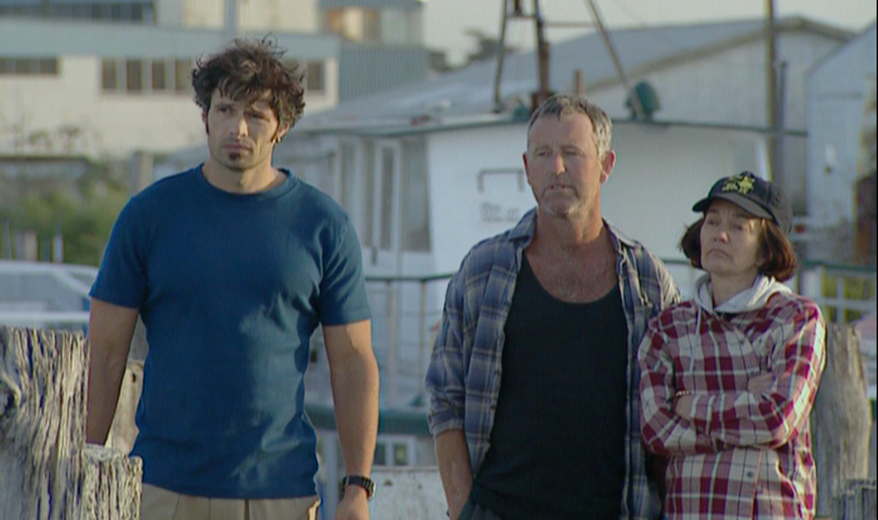
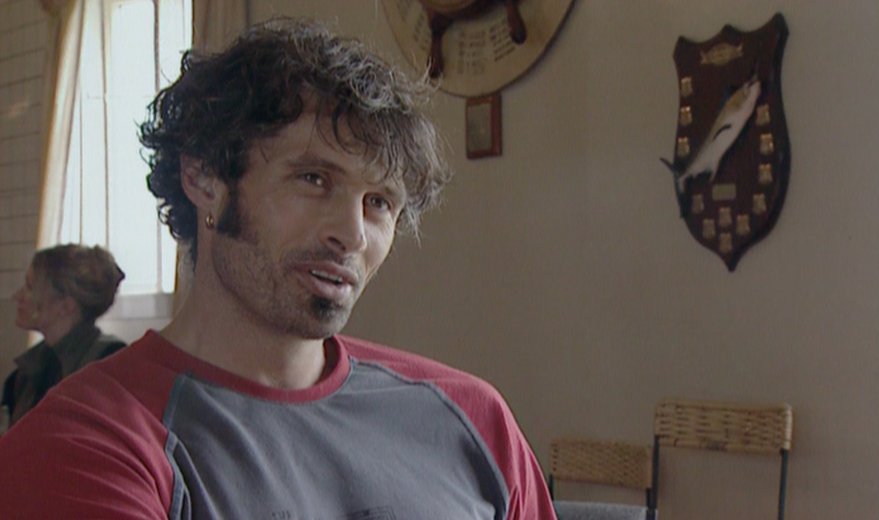
Smith's final noteworthy Kiwi screen role was in Love Mussel, an acclaimed one-off satire for television. Written by Braindead's Stephen Sinclair and directed by Michael Hurst, Love Mussel is a mockumentary about a fictional township that erects a monument to a special shellfish. Smith parodied himself.

Smith's last movies proved unremarkable. Riverworld was a critically-panned American TV adaptation of the classic fantasy series by Philip Jose Farmer. Smith also won the lead villain role in Warriors of Virtue: The Return to Tao, a Chinese-American kung fu fantasy.

On February 6 2002, a day after finishing work on Warriors of Virtue, Smith fell roughly three stories from a castle-like piece of set. The accident occured at a film studio in the Chinese city of Shijiazhuang. He died ten days later, aged 38, at a hospital in Beijing. Smith had been due to start work on big-budget war drama Tears of the Sun, acting alongside Bruce Willis.

On February 28 a memorial service to Smith was held at Auckland's Aotea Centre. A thousand mourners attended.

NZ On Screen has a Tribute to Kevin Smith collection.