You are here:

Synopsis

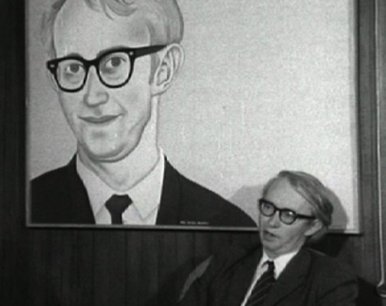
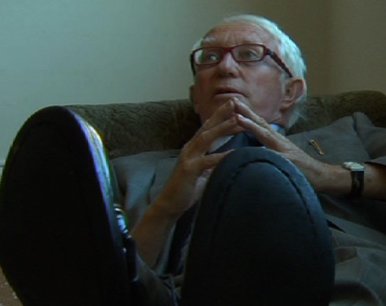
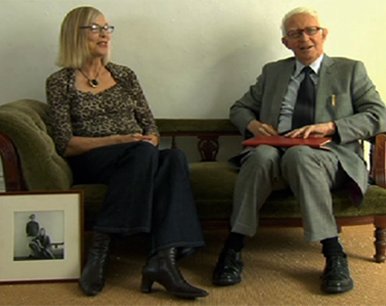
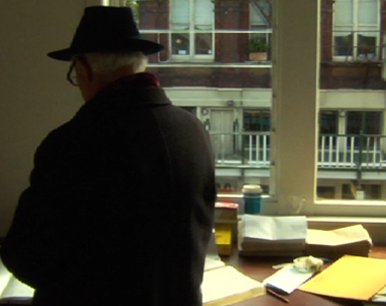
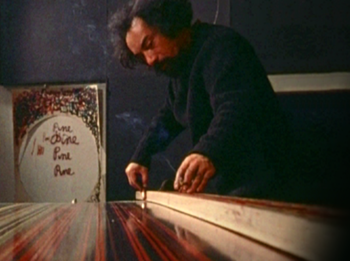
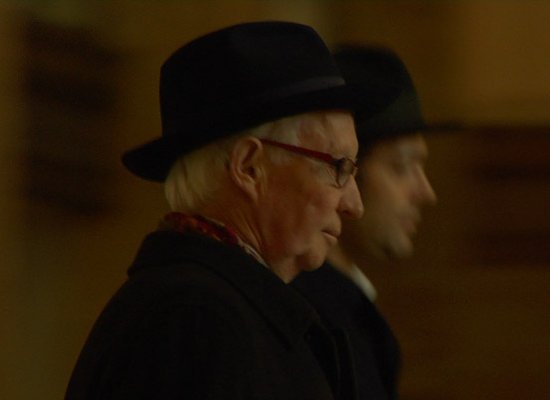
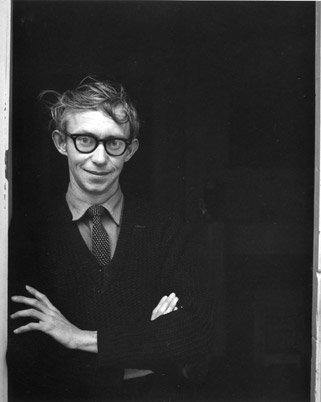
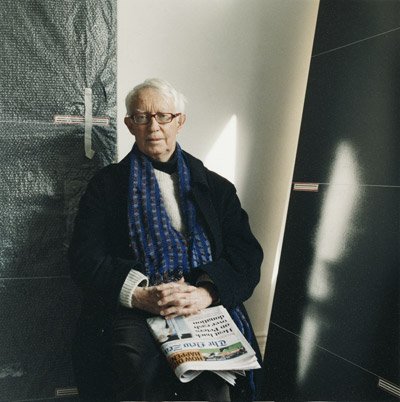
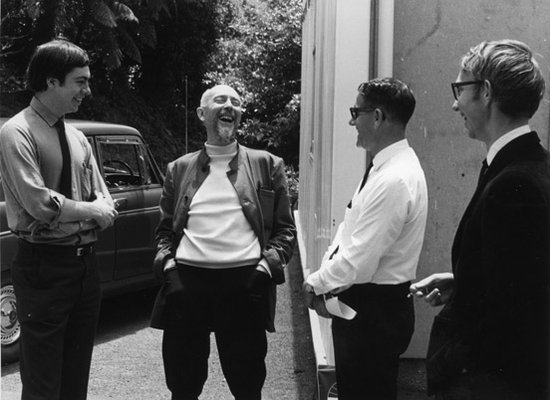
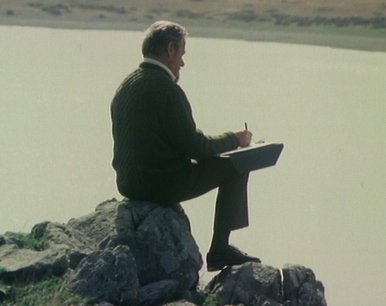
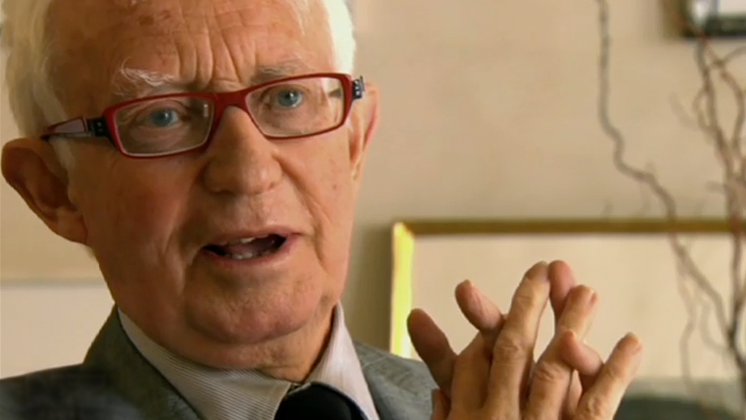
This documentary is a portrait of Wellington art-dealer Peter McLeavey, who has spent over 40 years running his influential Cuba St gallery. In the Leon Narbey-shot film, McLeavey talks about his life: a peripatetic North Island railway childhood, an early love of art, discovering his New Zealand identity whilst living in London, and returning home to run over 500+ exhibitions — including key showcases of artists such as Toss Woollaston, Gordon Walters, and Colin McCahon.

Credits (10)

 Luit Bieringa
 Jan Bieringa
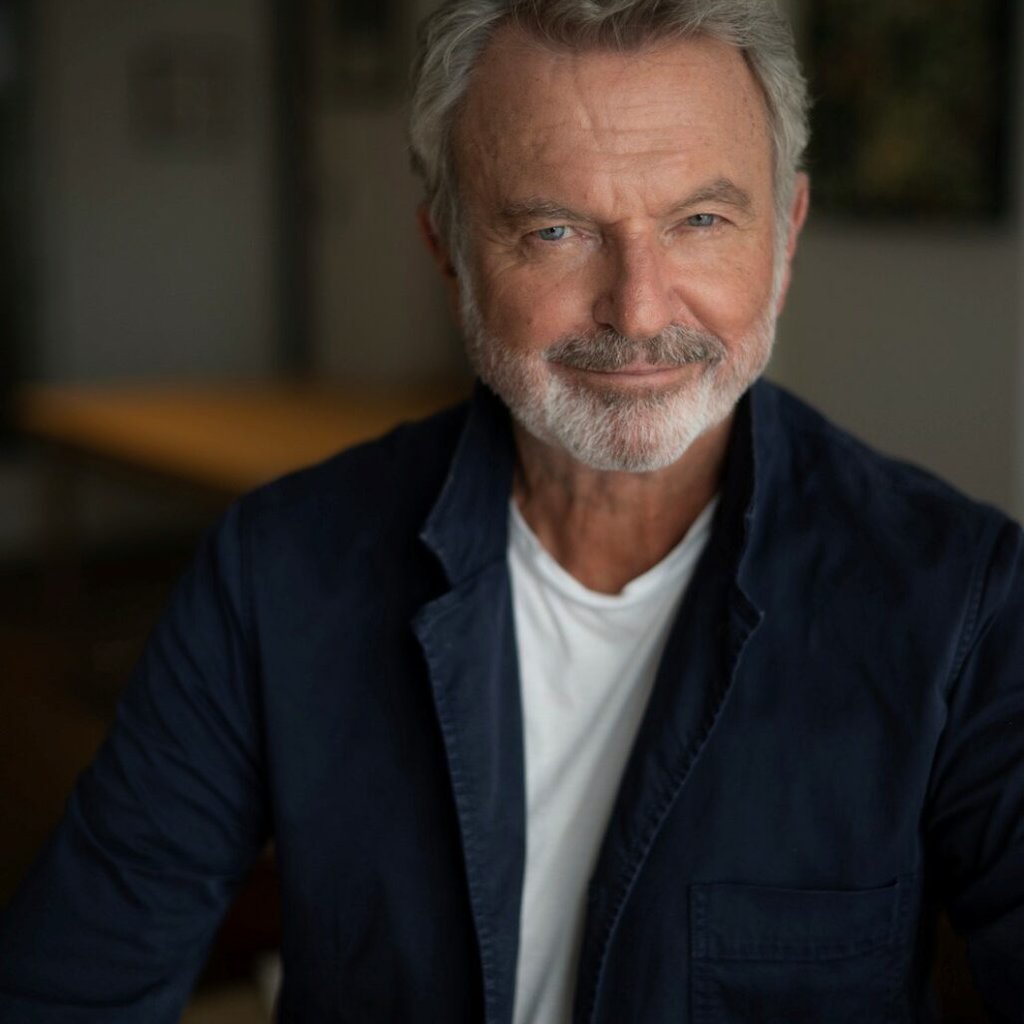
 Sam Neill

Post a comment

   
I am:
 

Please keep your comments relevant to this title. Email addresses are never displayed, but they are required to confirm your comments.

Comments

No one has commented yet. Go on, be the first!

Produced by

Source

Favourite:

You need to be logged in to add to your favourites.

Related Titles (9)

 Frontseat - Series One, Episode One

Television, 2004 (Excerpts)

Also features Peter McLeavey

 Ans Westra - Private Journeys / Public Signposts

Television, 2006 (Excerpts)

Also directed by Luit Bieringa and produced by Jan Bieringa

 Kaleidoscope – Attitudes Towards Landscape

Television, 1987 (Full Length)

Many McLeavey artists (McCahon, Woollaston et al) feature in this doco on NZ art and landscape

 Marti: The Passionate Eye

Television, 2004 (Excerpts)

Another art world doco shot by Leon Narbey

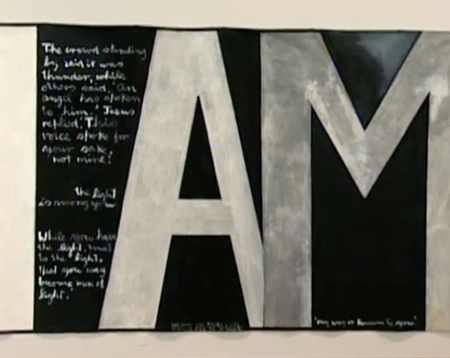
 Colin McCahon: I Am

Television, 2004 (Excerpts)

A documentary on Colin McCahon

 New Zealand Centenary of Cinema by Greg Page

Short Film, 1996 (Full Length)

Also produced by Jan Bieringa

 Kaleidoscope - Toss Woollaston

Television, 1987 (Full Length)

Doco about McLeavey artist Sir Toss Woollaston

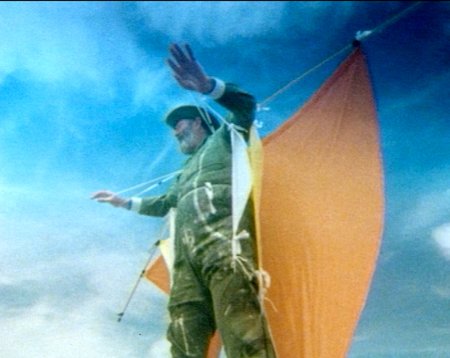
 Flight of Fancy

Short Film, 1987 (Excerpts)

Artist Michael Smither attempts to fly

 30 Arthur Street

Short Film, 2007 (Full Length)

Also features Plan 9 music

Collections.   See all collections ›  

Included in:

 Artists on Screen Collection

Quotes

The lyrical picture of McLeavey’s Wellington is interspersed with readings (by Sam Neill) from his correspondence with artists, and frank conversations with the man himself. [...] There’s an airy feeling of existential inquiry floating through Luit Bieringa’s lovely portrait.