You are here:

Tony Williams

Director

 Tony Williams

Biography

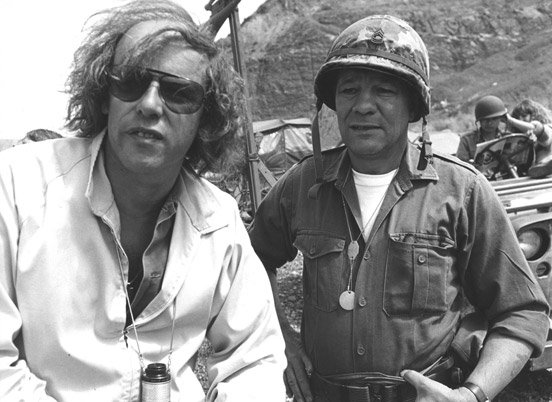
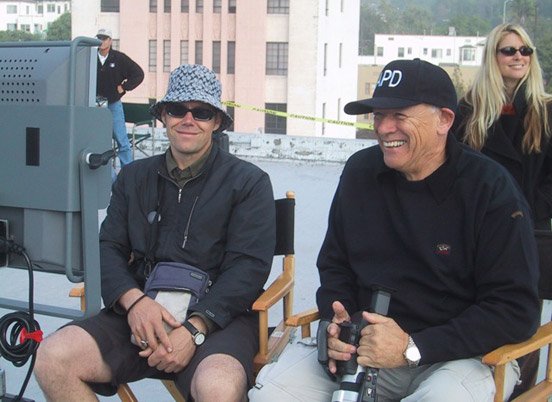
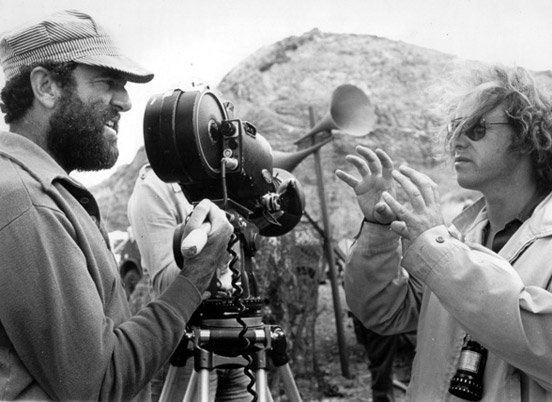
After shooting two feature films in the 60s, Tony Williams went on to make a huge contribution to the development of the New Zealand film and television industries through the nine ground-breaking indie documentaries he directed for Pacific Films, and his feature-film Solo, which was one of the earliest films of the 1970s Kiwi new wave.

Film writer Lawrence McDonald argues that Williams is "one of the few genuine documentary-essayists in the history of New Zealand filmmaking, and is arguably the finest".

Although he moved to Australia in 1980, Williams has continued to have a lively influence on our culture as the award-winning director of many legendary commercials, including the Toyota "Bugger" campaign and the Crunchie train robbery ad

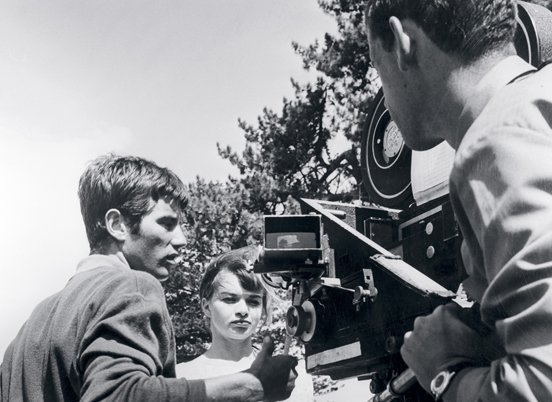
The son of music-loving parents (his father was a Radio New Zealand station manager), Tony Williams decided to become a filmmaker while still a teenager; in the early 60s the legendary John O'Shea offered him a job at Wellington film company Pacific Films, despite Williams admitting in the interview that he had more enthusiasm for movies than technical knowledge. Williams did everything from sweeping the studio, to loading cameras.

He first displayed his exceptional flair for camerawork and editing in 1963 experimental film The Sound of Seeing, thought to be the first film by an independent company screened on New Zealand television. Though the film drew complaints about its lack of a clear story line, some viewers recognised it as a manifesto for a new kind of local filmmaking, according to film historian Roger Horrocks.

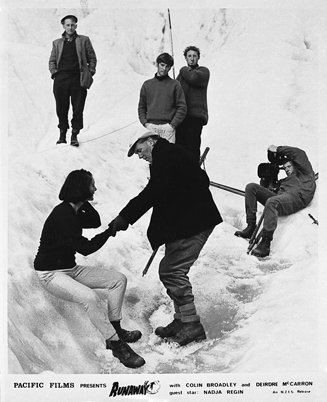
In 1964, when the British cameraman hired to shoot O'Shea's feature Runaway dropped out at the last minute, the director gave the job to his 22-year-old employee, who rushed off to bone up on how to shoot a movie. Williams improvised the use of hotel sheets in front of the lights, to help recreate the soft lighting of Michelangelo Antonioni's movies. Reviewers were impressed by William's camerawork for both Runaway and subsequent Pacific Films movie, the musical Don't Let It Get You.

In 1966, after winning one of the Arts Council's first two awards for film, Williams was able to study at the UCLA film school and become a 'student observer' on two films by the famous French director Alain Resnais. Williams then moved to London where he shot and edited two documentaries that screened on the BBC, plus got to know a new generation of British filmmakers (including rising talents Ken Russell and Richard Lester).

Returning to Pacific Films in 1970, Williams helped to revolutionise local filmmaking through a dazzling series of independently-made films, made for television slot Survey (partly thanks to the enthusiasm of Survey producer Michael Scott-Smith).

Although designed as a documentary slot, Williams' Survey films incorporated elements of drama, performance and experimental film. They included Getting Together (a zany survey of clubs in New Zealand), The Day We Landed on the Most Perfect Planet in the Universe (which explored children's imaginations, and was related to classic French book The Little Prince), the controversial Deciding (an exposé of environmental issues and government bureaucracy), and Take Three Passions (a curious dialogue between rugby, music, and astronomy). 

By winning Feltex Awards and putting an end to the assumption that local documentaries were bound to be slow, earnest and stodgy, Williams' films demonstrated the importance of the independent production industry as a contributor to New Zealand television.

Williams went on to set up his own production company - Tony Williams Productions. He and fellow ad man Geoff Dixon helped herald a new age of freelance filmmakers who were contracted to work on individual projects rather than staff.

In 1975, at the suggestion of longtime creative colleague Michael Heath, Williams travelled to France to make Lost in the Garden of the World (a pilgrimage to the Cannes Film Festival, which was also a passionate plea for a new local film industry).

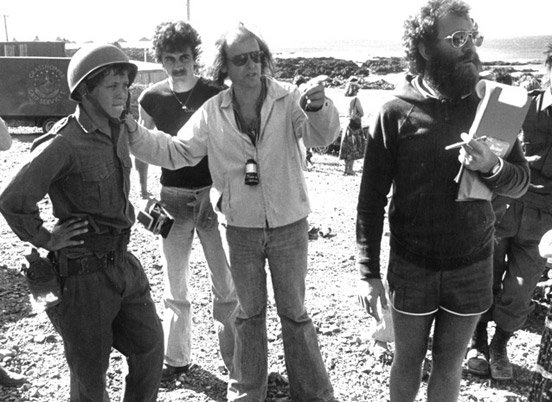
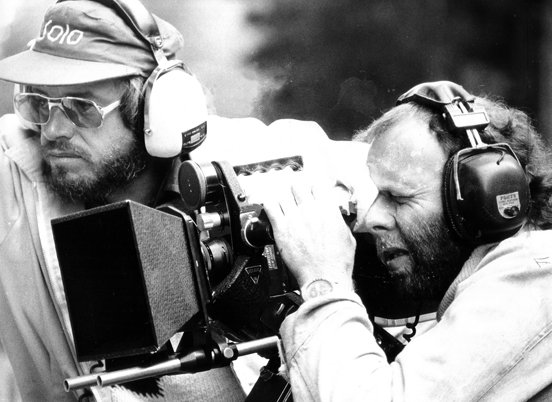
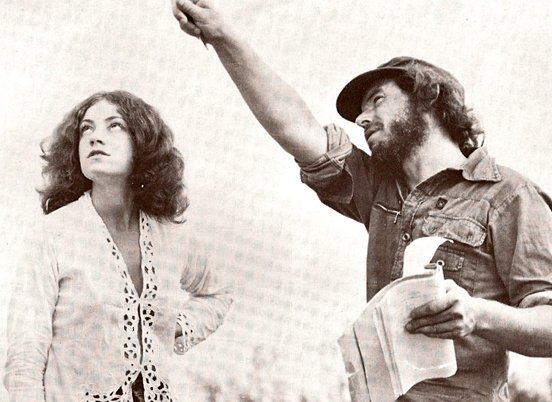
Two years later Williams overcame many technical and financial obstacles to direct his first feature film Solo, the story of a fire patrol pilot, his offbeat son, and the young hitchhiker who enters their lives. The first co-production between Australia and New Zealand, the film featured Australians Vincent Gil and Lisa Peers in the lead roles, while Perfect Planet discovery Perry Armstrong played the precocious teenage son.

Along with Sleeping Dogs, Solo started the ball rolling for a new feature film industry in New Zealand.

In the early 80s Williams shifted his base to Melbourne (and later Sydney), and directed Next of Kinwhich he co-wrote with Michael Heath. Set in an isolated retirement home, the moody gothic mystery won the top award at Sitges, leading fantasy film festival in Spain, and was later cited as a favourite film by fanboy director Quentin Tarantino: 

"Next of Kin has a similar tone and feel [to The Shining] – which is one hell of a fu*king compliment to give a movie. And I’m not overpraising it."

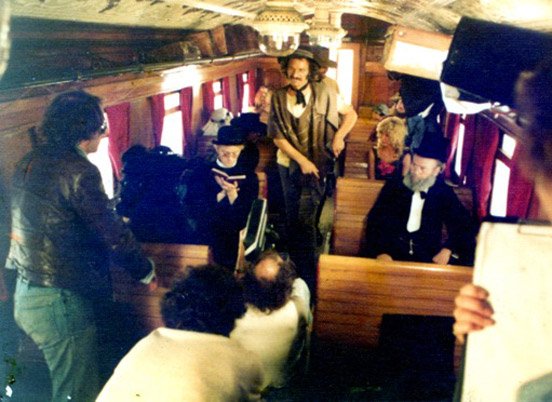
By now Williams had won a number of international Clio Awards for his commercials, and he decided to concentrate on this genre. With his 'Different Faces' series of Gregg's coffee commercials, Williams directed some of the earliest commercials to show a multicultural Aotearoa. In addition to his long-running train robbery advertisement for Crunchie (1975), Williams also helmed the Dear John love letter commercial (1979) which picked up many international awards, including a Cannes Gold Lion and FACTS Australian Commercial of the Decade. Williams' other high profile advertisements include the extended Telecom SPOT campaign, the multi-award-winning Bugger advertisements for Toyota, and the Coca-Cola 'Sky Surfer' ad, which screened in 160 countries.  

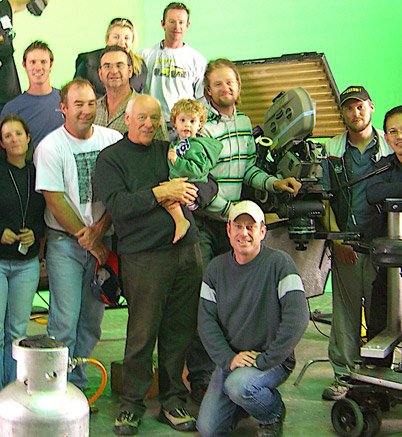
Williams's ads are memorable because of his extraordinary skills in directing, editing and visualising. Not surprisingly he has assembled an impressive tally of top advertising awards and people's choice awards, including a rarely given Best of Show gong at the Clio Awards in New York. Williams is still active as a freelance director.

These days Tony Williams is based in Robertson, New South Wales, where he and his wife Anna run a well-known community cinema.

Looking back on his long career, he says "I didn't become a Jane Campion or a Peter Jackson, but I suppose I'm happy I've made icons  ... A lot of people look down on advertising, but if you can make icons from 1970 until now that [...] the public love and talk about, then you've done something towards entertaining people at least".


Sources include
Tony Williams
Roger Horrocks
Barry Barclay, Mana Tuturu: Maori Treasures and Intellectual Property Rights (Auckland University Press, 2005) Page 98
Roger Horrocks, Surviving in Films - The Career of a New Zealand Film-maker (Profile), Islands 20, December 1977 (Volume 6, No 2, Page 136)
Roger Horrocks, Directed by Tony Williams (Profile), Islands 22, May 1978 (Volume 6, No 4, Page 458)
Lawrence McDonald, 'Genre Benders and Grandes Buffs - A revisionist micro-history of 25 years of New Zealand film' (Exhibition Catalogue), (Wellington: City Gallery, 1994)