You are here:

Synopsis

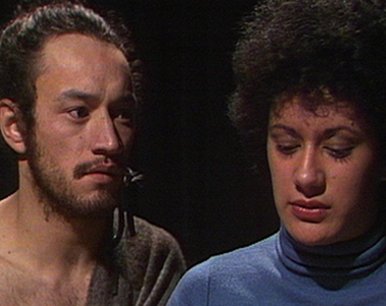
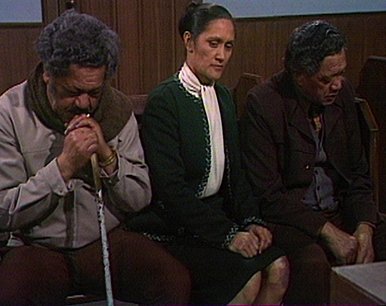
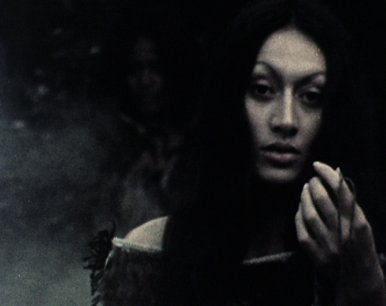
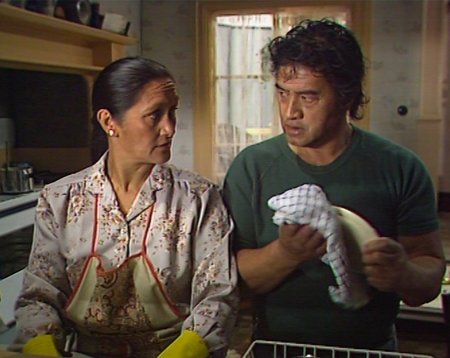
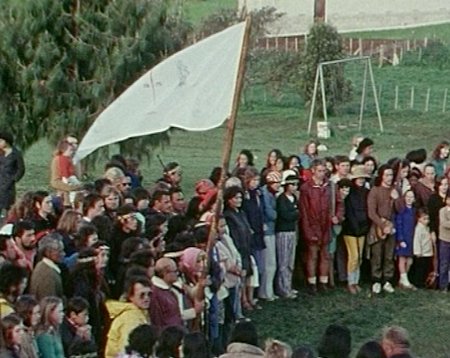
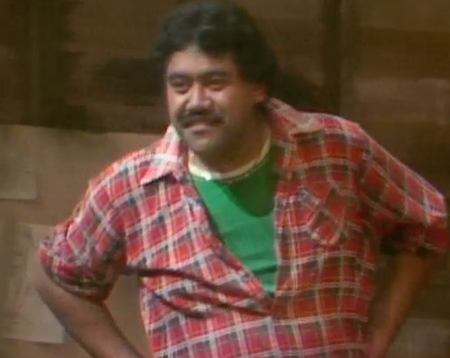
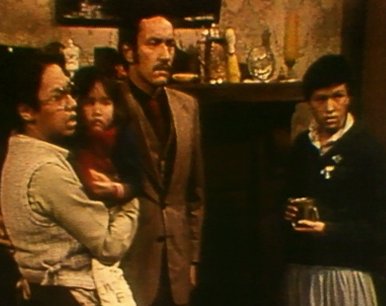
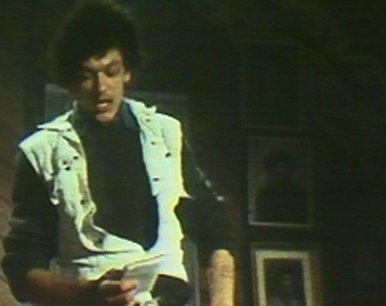
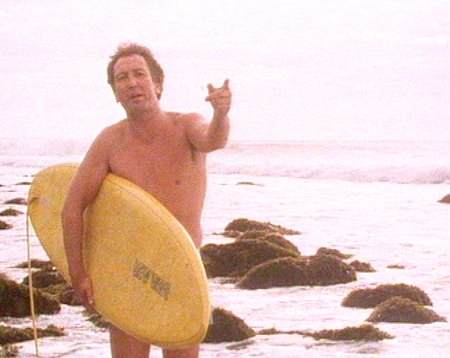
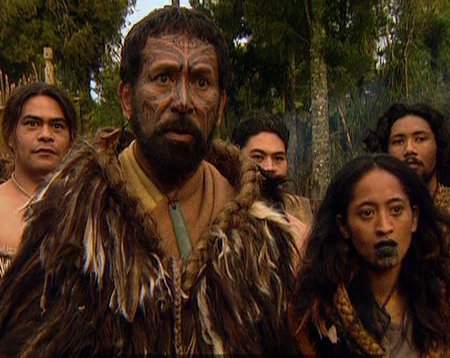
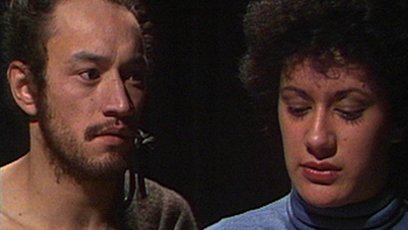
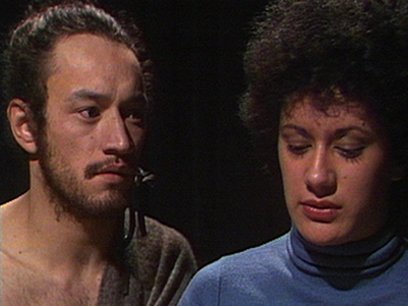
This courtroom drama sets in conflict opinions about the proposed sale of a block of Māori ancestral land. The arguments are intercut with footage of the 1975 land march, and Jim Moriarty comments on proceedings as a tangata whenua conscience. The drama shows its stage origins (it was adapted by Rowley Habib from his 1976 play) but it is passionate and articulate, and is notable as the first TV drama to be written by a Māori scriptwriter. The grievances aired echoed contemporary events, particularly the Eva Rickard-led occupation of the Raglan Golf Course.

Credits (21)

 Richard Turner
 Fergus Dick

Post a comment

   
I am:
 

Please keep your comments relevant to this title. Email addresses are never displayed, but they are required to confirm your comments.

Comments

No one has commented yet. Go on, be the first!

Produced by

  • TVNZ
  • Trilogic Productions

Source

Favourite:

You need to be logged in to add to your favourites.

Related Titles (8)

 Te Matakite O Aotearoa - The Maori Land March

Television, 1975 (Full Length)

Real-life events that inspired this drama

 Pukemanu

Television, 1971

A pioneering bi-cultural TV drama

 Loose Enz - The Protesters

Television, 1982 (Full Length)

Another pioneering Māori TV drama

 Bastion Point - The Untold Story

Television, 1999 (Full Length)

A documentary about land occupation

 E Tipu E Rea

Television, 1989

A pioneering Māori drama series

 Epidemic

Television, 1976

A contemporary drama about contested Māori land

 Raglan by the Sea

Television, 1987 (Full Length)

More land rights conflict

 The Gathering

Television, 1979 (Full Length)

Another pioneering Rowley Habib teleplay

Quotes

There is no room for Māori values today — not regarding the land anyway. Might have been alright once, but unless the land is being utilised people might as well give it up to someone who will — it’s the only way the country can go forward. 
There were plenty of birds in those days — no birds now since the Pākehā cut the bush down. The Pākehā say that swamp is useless land but in the old days when my people lived there they looked on that swamp as sacred ...