You are here:

Synopsis

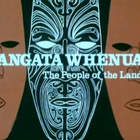
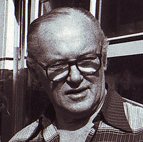
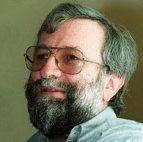
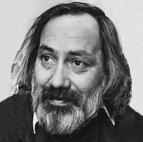
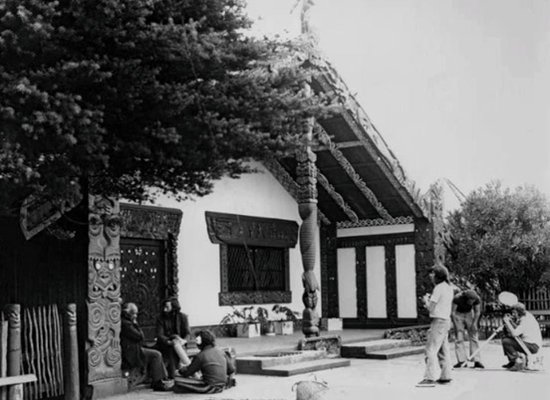
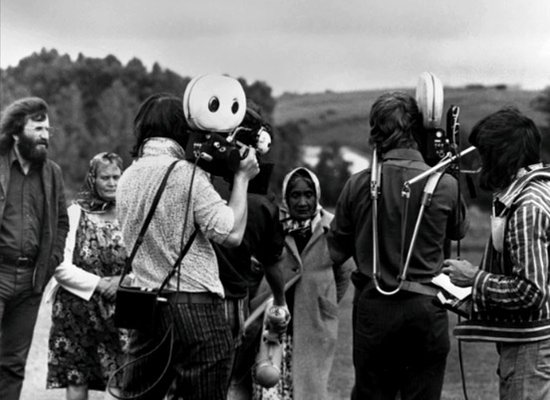
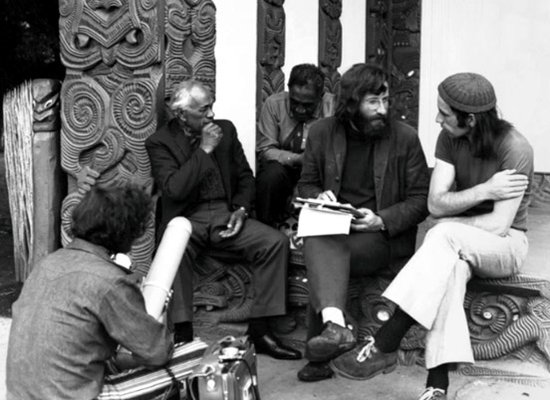
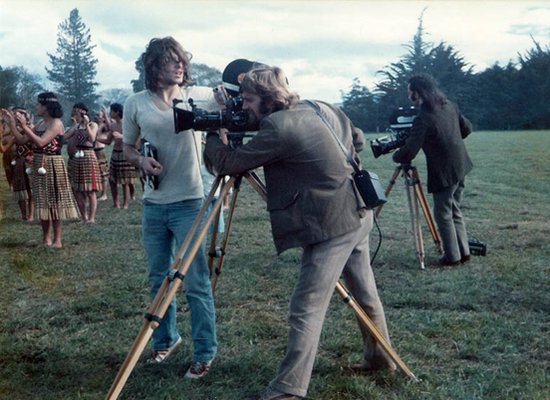
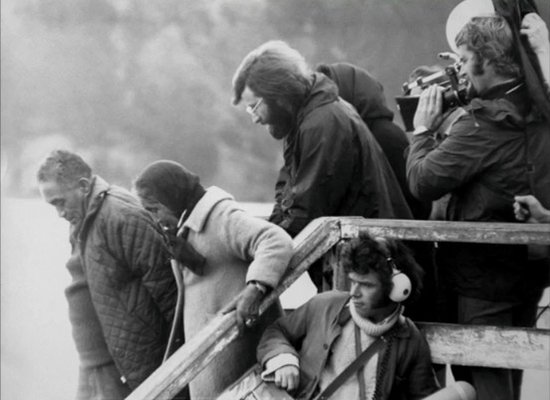
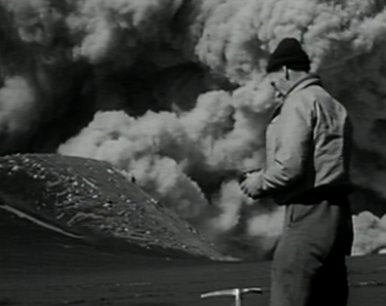
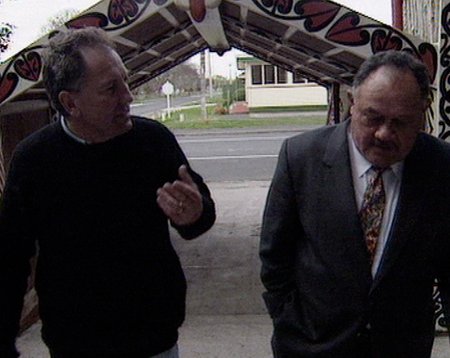
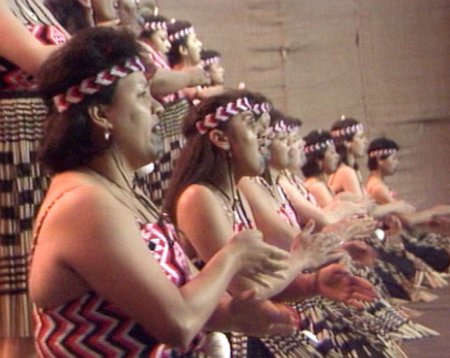
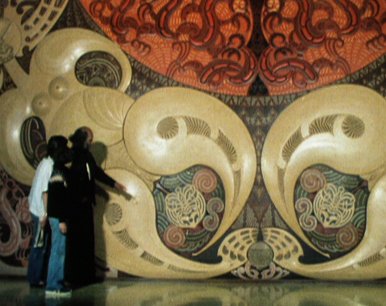
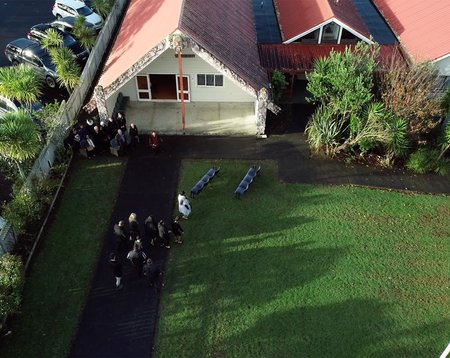
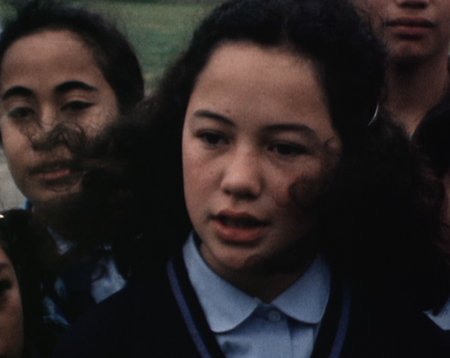
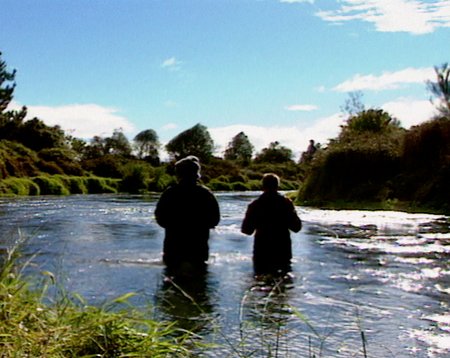
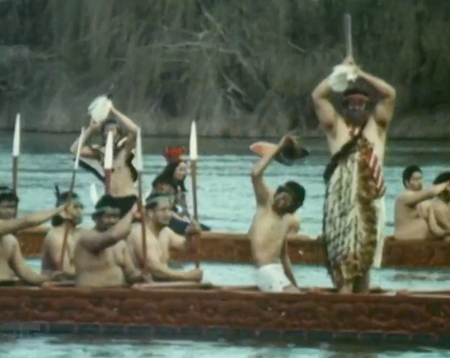
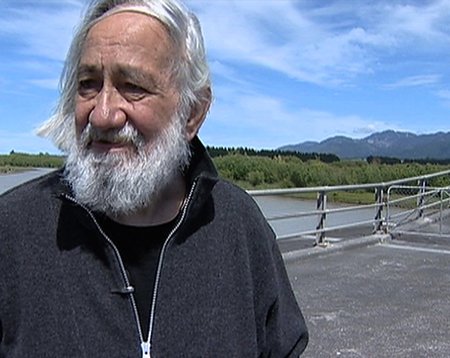
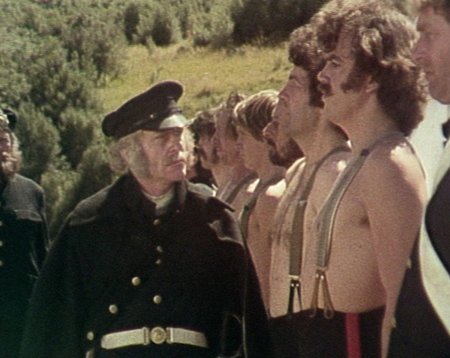
Tangata Whenua was a groundbreaking six part documentary series. Barry Barclay directed and historian Michael King was writer, interviewer and narrator. Each episode (remarkably screening in primetime on Sunday nights in 1974) chronicled a different iwi and included interviews with kaumatua  a first for NZ screens. This episode looks at the people of Waikato, and focuses on the Kingitanga (King Movement), illustrating why a movement formed in the Waikato in the 19th century to halt land sales and promote Māori authority has contemporary relevance.

Background

Tangata Whenua: A Gift to the Future by Paul Diamond [Ngāti Hauā, Te Rarawa, Ngā Puhi] 21.04.2009

Over six Sunday evenings in November and December 1974, New Zealand television screens became (primetime) windows into a Māori world still very foreign to many New Zealanders. About a million viewers watched Tangata Whenua, the six-part ...

Read more ›

Post a comment

   
I am:
 

Please keep your comments relevant to this title. Email addresses are never displayed, but they are required to confirm your comments.

Comments (18)

 Wanda Kiel-Rapana

Wanda Kiel-Rapana

Just brilliant!

 Paul Ward

Paul Ward | website

Kia ora Tania: you're right, the episode on NZ On Screen is one part of six (see Paul Diamond's backgrounder for further info on the series: http://www.nzonscreen.com/title/tangata-whenua-waikato-1974/background#critique_0 ). We're working at clearing further episodes to show on the site, but this is a slow process involving iwi and whanau permissions. Currently their are two ways you might access further episodes: you could make a personal use request to TVNZ Archives (http://tvnz.co.nz/footage/request-form-personal-use-3379314 ) or you could visit the Wellington or Auckland branch of the Film Archives and watch an episode in one of the viewing rooms there.

 Tania Davis

Tania Davis

Can anyone help me out here. This was originally a six part documentary of which one was screened in Taitokerau. From my memory this was series six, however I can only access up to series 4 here. I would like to view the last two series. Can anyone tell me how I can do that ?

 Mahina

Mahina

He mihi aroha kia koutou nga ki te whanau o Port Waikato.
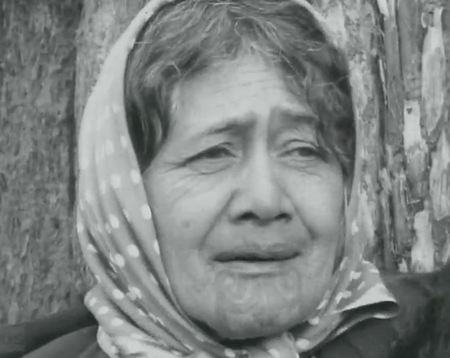
Was lovely to see my nanny Marama Rauwhero and her sister Nanny Hiko Wilson and nanny Tura and Waka Kukutai
So blessed to have them in my life.

 Tania Davis

Tania Davis

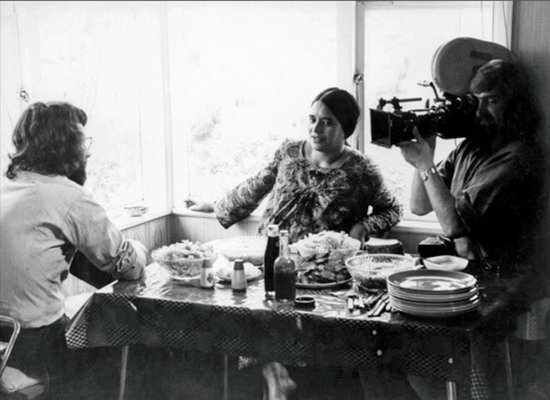
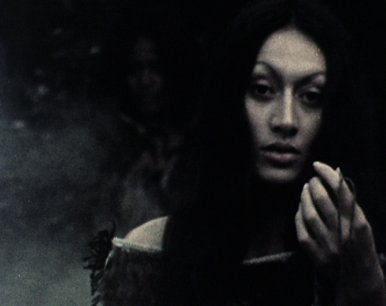
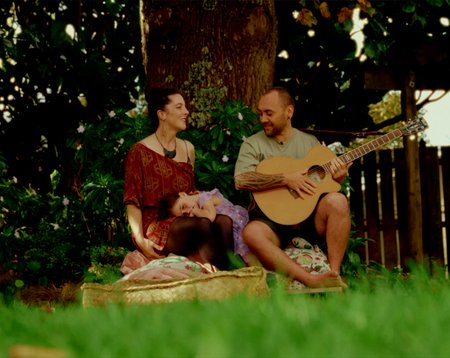
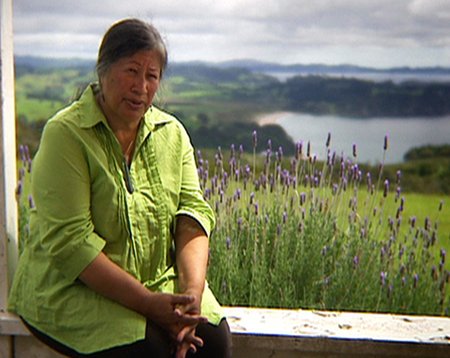
I was looking through the photos. The fifth photo of the woman sitting at the table is my mother Meretiana Davis. The photo was taken in our home in Porirua.

Show 5 more comments

Produced by

Source

Favourite:

You need to be logged in to add to your favourites.

Related Titles (10)

 The New Zealand Wars

Television, 1998 (Excerpts)

Doco series on the New Zealand Wars

 Ngati

Film, 1987 (Excerpts)

Directed by Barry Barclay

 Waka Huia - episode one

Television, 1988 (Full Length)

Groundbreaking magazine series about te ao Māori

 The Maori Today

Short Film, 1960 (Full Length)

1960 NFU doco on the Māori world from a Pākehā perspective

 People of the Waikato

Short Film, 1956 (Full Length)

Includes footage of Turangawaewae Marae

 The Governor - The Lame Seagull (Episode Five)

Television, 1977 (Full Length Episode)

The Waikato War episode of The Governor series

 The New Zealand Wars - The Invasion of the Waikato (Episode Three)

Television, 1998 (Excerpts)

Preparations for war in the Waikato in the 1860s

 Journeys in National Parks: Te Urewera

Television, 1987 (Full Length)

Also directed by Barry Barclay

 Te Marae - A Journey of Discovery

Television, 1992 (Full Length)

A documentary on the history and preservation of marae

 Tahere Tikitiki - The Making of a Maori Canoe

Television, 1974 (Full Length)

A landmark waka built at Turangawaewae marae

Collections.   See all collections ›  

Included in:

 Kiwi TV Classics
 The Matariki Collection

Quotes

Tangata Whenua broke the monocultural mould of New Zealand television. It gave Māori an opportunity to speak for themselves about their lives. It went some way to informing Pākehā New Zealanders about Māori attitudes and values, it whetted a Māori audience's appetite for more documentaries reflecting Māori viewpoints, and it opened the way for later programmes, such as Koha and Te Karere, produced by Māori.