00:00
/
00:00
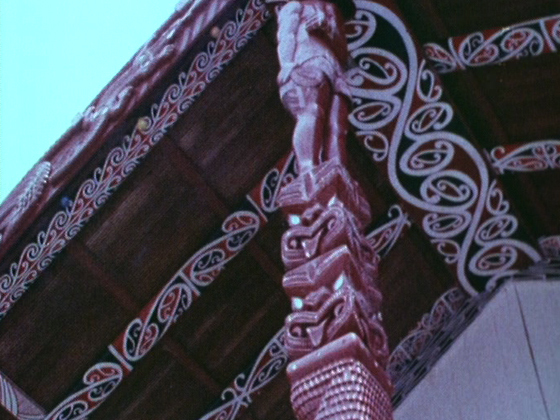
Tangata Whenua - Waikato
Television (Full Length) – 1974
This episode of Barry Barclays groundbreaking 1974 series focuses on the area and iwi of the Waikato. Much of the episode delves into the education of Māori culture; a teacher from Morrinsville College discusses the importance of teaching Māori Studies, and Methodist Minister Te Uira Manihera leads a Māori Language Seminar. The episode also looks at the Kīngitanga (Māori King Movement) formed in the Waikato in the 19th century to halt land sales and promote Māori authority, and examines why it has contemporary relevance. Plus a number of local kaumātua share their stories. In 2023 the series was restored by Ngā Taonga Sound & Vision. Read more about Tangata Whenua here.
Tangata Whenua broke the monocultural mould of New Zealand television. It gave Māori an opportunity to speak for themselves about their lives. It went some way to informing Pākehā New Zealanders about Māori attitudes and values, it whetted a Māori audience's appetite for more documentaries reflecting Māori viewpoints, and it opened the way for later programmes, such as Koha and Te Karere, produced by Māori.– Tangata Whenua interviewer and co-writer Michael King, in his 1999 book Being Pākehā Now
Key Cast & Crew
See all 18 credits


Produced by
Pacific Films

Acknowledgements
Acknowledgements from the filmmakers: "Queen Te Atairangikaahu and the Waikato elders who authorised this programme also Waaka Kukutai, Tūrangawaewae Waiata Group, Tūrangawaewae Carving School, Morrinsville College Principal and staff"
This episode features (in order of appearance): Tumokai Katipa, Piri Poutapu, the elders and workers of Tauranganui Poukai, Ripora Kukutai, Whitiora Cooper, Winera Samuels, Tony Knight, Hopi Samuels, Norman Kingsbury, Te Uira Manihera, Dick Green, Waikato Elders who attended the Tauranganui Poukai
Presented with thanks to the New Zealand Film Heritage Trust – Te Puna Ataata
If you liked this, you might also like...
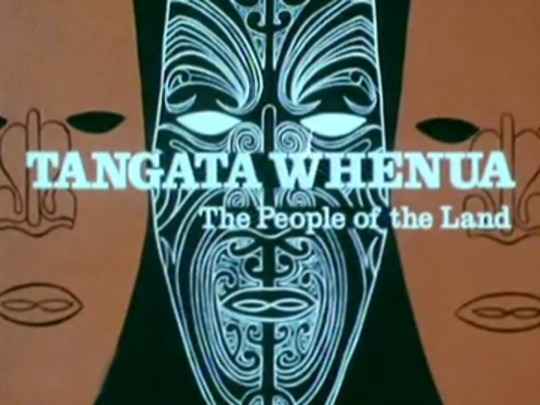
Tangata Whenua
Tangata Whenua was a groundbreaking six-part...
The Matariki Collection
A selection of iconic Māori TV, film and music video for...
Best of the 70s
This collection celebrates the best of 1970s television,...
Marae - John O'Shea on Tangata Whenua
Producer John O'Shea talks about Tangata Whenua
Koha - Raupatu, The Loss of Land
Documentary about Kīngitanga and the invasion of Waikato
Lost in Translation 8 - The Waikato-Manukau and Printed Sheets (episode eight)
Mike King follows Treaty of Waitangi history up the...
The New Zealand Wars - Episode 3, The Invasion of the Waikato
Preparations for war in the Waikato in the 1860s
Great New Zealand River Journeys: The Waikato River with Lynda Topp
More Māori history from the Waikato
Tāhere Tikitiki - The Making of a Māori Canoe
More on master carver Piri Poutapu at Tūrangawaewae Marae
Barry Barclay: The Camera on the Shore
Documentary about director Barry Barclay
50 Years of New Zealand Television: 7 - Taonga TV
Tangata Whenua is discussed in this
The Governor 5 - The Lame Seagull (Episode Five)
Waikato war episode of another legendary 1970s show
NZ Wars - Stories of Tainui
Documentary about the legacy of the Waikato invasion
History Man
Documentary on Tangata Whenua writer Michael King
People of the Waikato
Includes footage of Tūrangawaewae Marae
Ngāti
Barry Barclay also directed this landmark Māori drama
The Māori Today
1960 NFU film on the Māori world from a Pākehā viewpoint
50 Years of New Zealand Television: 2 - The Whole World's Watching
This episode appears in this documentary about protest
Pioneer Women - Princess Te Puea
A dramatised documentary on Princess Te Puea
New Zealand Mirror No. 3
A 50s Ngāuruwāhia regatta
Heartland - Ngāruawāhia
Gary McCormick visits Ngāruawāhia
Waka Huia - First Episode
Groundbreaking magazine series about Te Ao Māori
Journeys in National Parks: Te Urewera
Also directed by Barry Barclay
Te Marae - A Journey of Discovery
Film on the history and preservation of marae
Uenuku
Early te reo TV drama on the story of Uenuku
Whare Taonga - First Episode
More Māori telling stories about their people
The Neglected Miracle
Barry Barclay used similar filming techniques on this
The New Zealand Wars
Acclaimed series on the New Zealand Wars
Ngā Morehu - End of An Era (First Episode)
Later interview with a Māori kaumātua
Māori
Short NFU survey of Māoridom from 1981
Survey - The Town that Lost a Miracle
Barry Barclay-directed film on Opo the dolphin
Women in Power - Indira Gandhi
Also directed by Barry Barclay
Ashes
Directed by Barry Barclay in the same period

Hongi To Hāngī: And Everything in Between - Excerpt
A beginner's guide to the marae

Nationwide - News in Te Reo Māori
Report on first te reo news bulletin
The New Zealand Wars - Episode 2, Kings and Empires
For more about Waikato and the Kiingitanga

Māhoe me Patatē
King Tawhiao inspired this waiata