00:00
/
00:00

Art From Under
Television (Full Length Episodes) – 1984
Episode One - Anonymous was a woman
The series begins with an examination of the past, particularly of the women artists of the 19th century who seldom feature in art history books. One of the few female professionals of the era, Emily Harris, is discussed in detail. Women artists and historians also discuss how cultural bias, and operating in a male-dominated art world, affected what female artists painted. The historians interviewed are Cheryll Sotheran, Una Platts, Anne Elias and Alexa Johnston. The artists interviewed are Claudia Pond Eyley, Juliet Batten, Evelyn Page, Merimeri Penfold, Carol Shepheard and Robyn Kahukiwa.
Episode Two - The politics of sex
The series moves into discussion of politics, particularly the women's art movement of the time (1984). Artists and art historians explain how the movement began in Aotearoa, especially in the South Island, and how it developed. The Women's Gallery in Wellington is a focus, with curators Bridie Lonie and Anna Keir discussing their philosophy. Other artists interviewed are Philippa Blair, Carole Shepheard, Christine Hellyer, Juliet Batten and Claudia Pond Eyley. Director/reporter Katherine Findlay also hears from art writers/curators Cheryll Sotheran, Liz Eastmond, Francis Pound, Alexa Johnston and Denis Cohn.
Episode Three - There's something about the women...
This episode explores the themes that often inspire women artists; such as menstruation, spirituality, domestic life, female friendship, motherhood and female family members. Director/reporter Katherine Findlay joins artist Juliet Batten at a collaborative workshop, where a group of women artists create works together. This episode has a focus on showing art works, as opposed to interviews, and many of the artists we hear from have their art displayed: particularly Claudia Pond Eyley, Anna Keir and Carole Shepheard. Shepheard is also interviewed, as well as painter Robyn Kahukiwa.
Episode Four - Final domestic exposé
Prominent New Zealand artist Jacqueline Fahey is profiled. She talks through her process, experiences as a woman artist, and the difficulty of juggling being a wife and mother with her art career. Her family are often an inspiration for her work, and she discusses how her children's arguments, father's passing and complicated relationship with her mother have been reflected in her paintings.
Episode Five - New women artists
What does it mean to be a woman artist? Does every artist who is a woman want to have their gender emphasised in this way? This is the topic of conversation for episode five, revolving around the New Women Artists collection at the Wellington City Gallery — which was controversial, for exactly this reason. The gallery's director Anne Philbin is interviewed, as are the artists Angela Porteous, Debra Bustin, Charo Oquet and Nancy De Freitas.
Episode Six - Mama, I'm coming through
In the final episode, director/reporter Katherine Findlay visits artist Emily Karaka in Tarawera. Karaka speaks of how her emotional life, the dream world, and identity as a wahine Māori inspire her work. She discusses the struggles of being a Māori artist in a Pākehā system, and how her young marriage and motherhood delayed her artistry. Her involvement with the Bastion Point and Springbok Tour protests as an artist, is also discussed.
If you liked this, you might also like...

Art From Under
New Zealand's art world in the 1980s is a...
Allie Eagle and Me
A documentary on prominent NZ artist Allie Eagle
Pleasures and Dangers
A 1991 documentary about six NZ female artists
The Big Art Trip - Series Two, Episode Two
Artist Jacqueline Fahey (episode four) is interviewed
Kaleidoscope - Frances Hodgkins
A profile of painter Frances Hodgkins

Grace: A Prayer For Peace
A Gaylene Preston documentary on artist Robin White
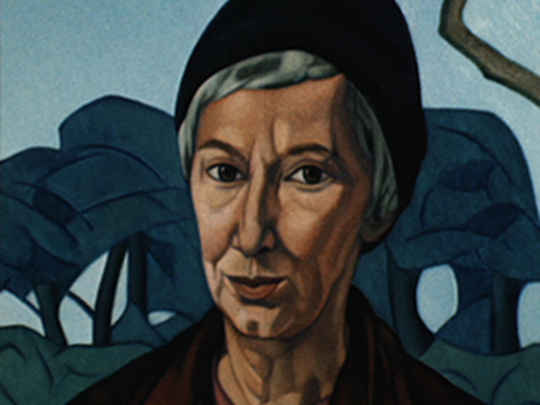
Kaleidoscope - Rita Angus
A profile of Rita Angus from the same TV show
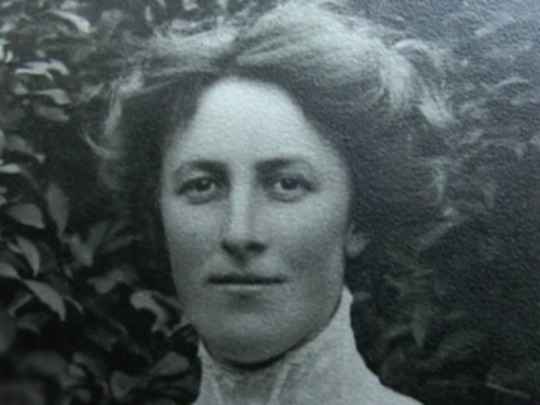
Edith Collier: A Light Among Shadows
A profile of Edith Collier, who is discussed in episode one
The Big Art Trip - Series One, Episode Two
Emily Karaka (episode six) is interviewed
Hotere
Documentary on Māori artist Ralph Hotere
Kaleidoscope - Ngāti
More on 1980s Māori art from Kaleidoscope

Some of My Best Friends are Women
A feminist documentary from 1975
Women in the House
Another reflection on women in male-dominated spaces