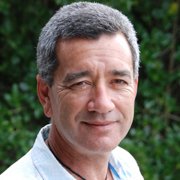
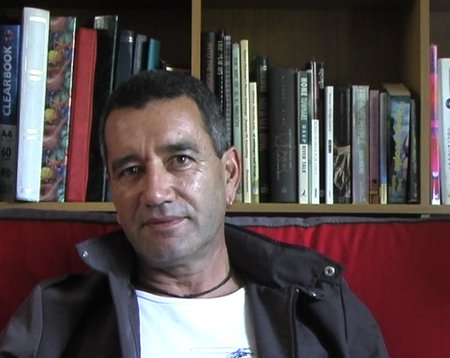
One of the things we learned with each other was the no go areas, in both our lives. And some things I go to, she just instinctively says, 'I won’t come with you on this occasion'. And, there are some of her Pākehā things that she goes to, that I say “You’re on your own here”. We um, we learned to, to read each other’s communities and know where were the places we could go, and where were the no go places. Which made for a much happier relationship.
– Reverend Hone Kaa [Ngāi Porou, Ngāi Kahungunu] describes his marriage with Jane Kaa
He would just think “oh it’s a bit of teasing'. Yeah. It was just a different kind of teasing, as opposed to this fundamental sense that you don’t belong in certain situations, you are made to feel less because you’re different . . . because as far as dad was concerned, we were the best things ever produced in New Zealand. And he made us never feel anything less than that.
– Sisters Carol and Linda Hirschfield describe their father
The greatest challenge for me in our mixed marriage has been with our children, and the crisis of identity that they’ve all had to face at some stage. And I can remember Eddie saying that you have to make a choice, and in the end the choice has to be Māori.
– Gwenda Paul
One of the biggest things that I learned is that a half-caste really pushes people’s boundaries about the way they think about race. They blur the boundaries between the two: they don’t fit a box, and that really confuses people, and they don’t like it. So therefore they start to project negative attitudes towards them.
– Suzanne Boyes [Te Rarawa]
I know I’m authentic, I know I’m Māori, I know I’m Ngāi Tahu, and it doesn’t matter to me whether or not I’m light-skinned, or not. To me it’s not about appearance. It’s about values and participation in your family, and in your culture as well.
– Academic Angela Wanhalla
Log in
×