The New Zealand Wars - Episode 4, Taranaki Prophets
1998 52m Television
- Māori
- War
- Documentary
- NZ History
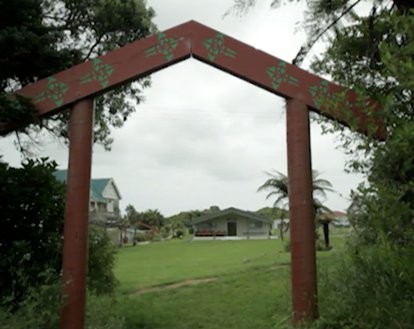
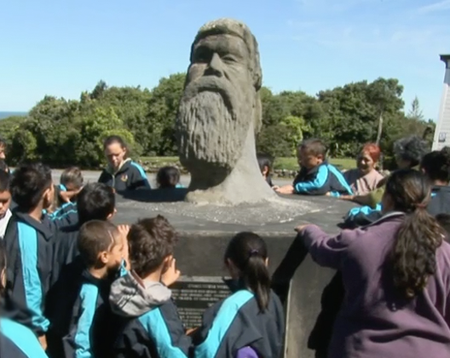
This episode of James Belich’s popular Aotearoa history series begins in Taranaki, where the Pai Mārire faith and other Māori prophetic movements are gaining popularity. After years of bloodshed and brutality, the Crown is disillusioned with the wars and the British withdraw their troops from New Zealand, leaving colonial troops and Māori kūpapa to fight against Māori resisters. Mass land confiscations lead charismatic Māori rangatira Tītokowaru, who had once espoused peace, to declare war again. Clashes at Turuturu Mōkai and Te Ngutu o te Manu lead to upheavals in the Armed Constabulary. Read more about the show here.