00:00
/
00:00
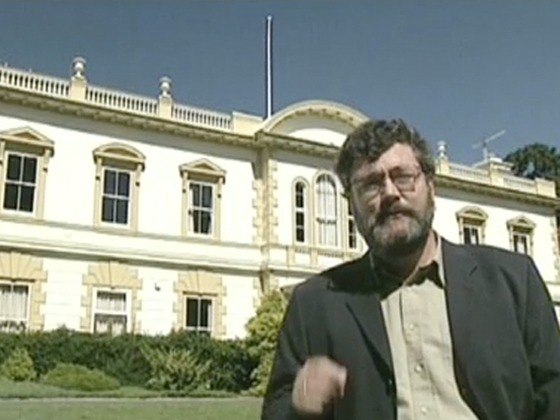
The New Zealand Wars - Episode 3, The Invasion of the Waikato
Television (Full Length Episode) – 1998
We tend to think of the New Zealand Wars as small, but we need to see them in the context of their own time and place. In 1864, a peak of 18,000 troops, imperial and colonial, were mobilised. This army attacked a Māori people who numbered little more than 50,000 men, women and children. It was as though an army of 1,000,000 people had invaded the New Zealand of today.
– James Belich gives context to the size of Governor Grey's troops
Rangiriri, we are told, was a decisive victory which proved British military superiority. This Pākehā account is clear, concise and quite generous about Māori courage. The only little problem is, it is not true.
– James Belich before describing historical events at Rangiriri
Ka whawhai tonu mātou, āke! Āke! Āke! We will fight onwards, forever!
– The words of Māori inside Ōrākau pā in reply to General Duncan Cameron’s offer for them to surrender
Ko ēnei ngā tāngata i ora, i puta mai ai mātou, nē. Ka tangi au ki a rātou. Engari, me tō rātou kī anō "Kei te pai, me titiro koe ki muri." (I can't help but respect these people who gave us life, but while I weep for them, I know that they would also say: "Ok, what is done is done. Let's look to the future.")
– Rovina Maniapoto-Anderson on looking at photos of ancestors, including Rewi Maniapoto
Rawiri gave orders that all the women should leave the pā. I refused to leave, saying "If my brother stays then I am his equal. I can use a gun and I shall stay!"
– Hēni Te Kiri Karamū (Jane Foley) before the battle of Gate Pā/Pukehinahina broke out
If you liked this, you might also like...
The New Zealand Wars
Five-part series The New Zealand Wars took a...
Tangata Whenua - Waikato
Landmark episode on Waikato iwi, including the Kīngitanga...
Koha - Raupatu, The Loss of Land
Documentary covering Governor Grey's invasion of Waikato
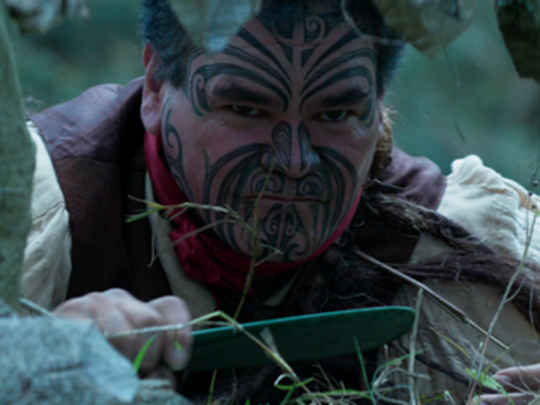
NZ Wars - Stories of Waitara
Documentary about the NZ Wars in Taranaki

NZ Wars: Stories of Tauranga Moana
Another documentary on a nearby area of warfare
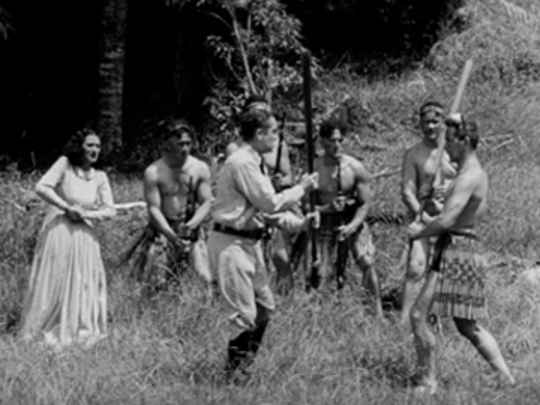
Rewi's Last Stand / The Last Stand
Early feature film based on an infamous Waikato battle
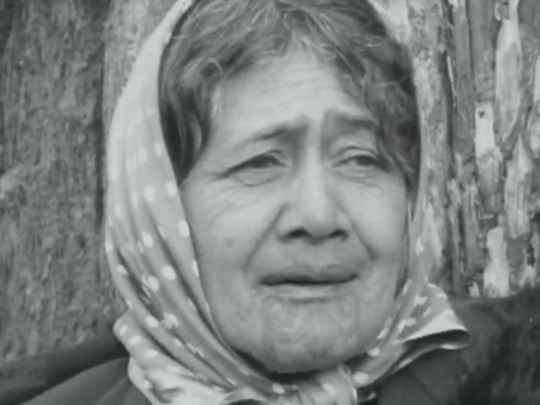
People of the Waikato
Short film about the Waikato River
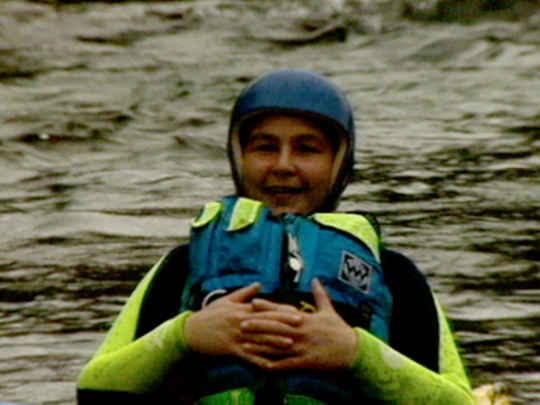
Great New Zealand River Journeys: The Waikato River with Lynda Topp
A documentary on Waikato history
The Hill
Tainui Stephens later directed this short film
Lost in Translation 6 - The Tauranga Sheet (episode six)
Mike King uncovers more histories of Te Tiriti in Tauranga