Collections
Classic and curious collections, hand-picked by NZ On Screen and special guests


Greenstone TV Turns 30
A collection celebrating the 30th anniversary of production company Greenstone TV.
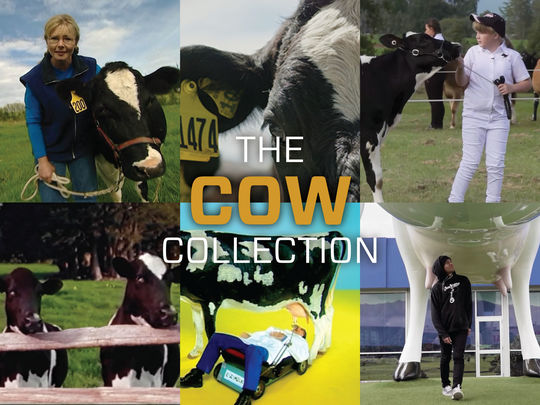
The Cow Collection
More than 30 titles devoted to the humble cow (plus a couple of bulls).
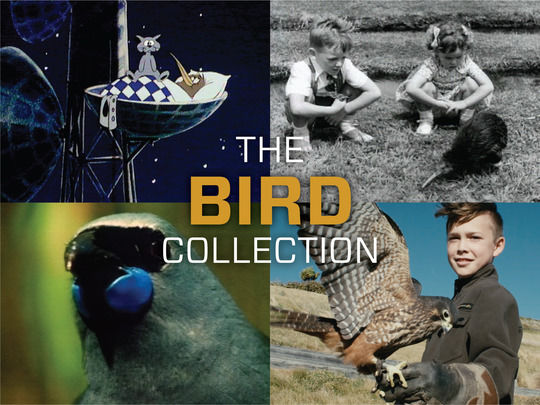
The Bird Collection
A collection devoted to our feathered friends — from nosey kea to noisy kākāpō, to miraculous rescue missions and birds whose only remaining home is the museum.
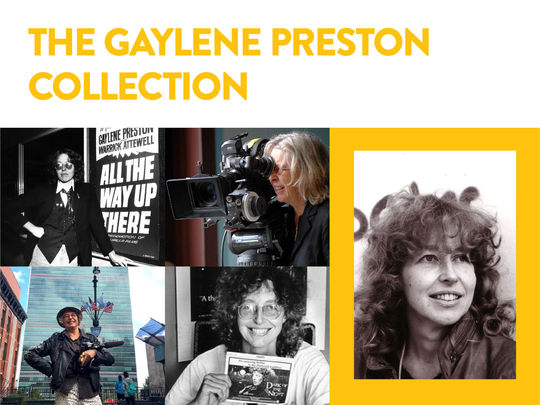
The Gaylene Preston Collection
A collection full of riches, devoted to the work of Dame Gaylene Preston. The award-winning Kiwi filmmaker has been charting stories of love, war, calamity, and inspirational women for more than four decades. Featuring her early work, memorable documentaries, full-length movies, and more...
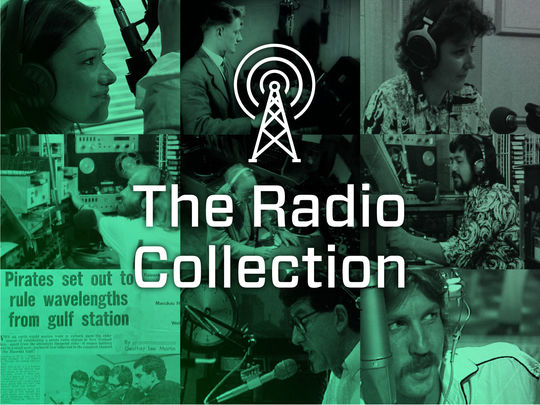
The Radio Collection
A collection that highlights the impact, achievements (and some shock-jock antics) of the radio industry an Aotearoa.

Te Māngai Pāho 30th Anniversary Collection
A collection celebrating 30 years of funding agency Te Māngai Pāho.
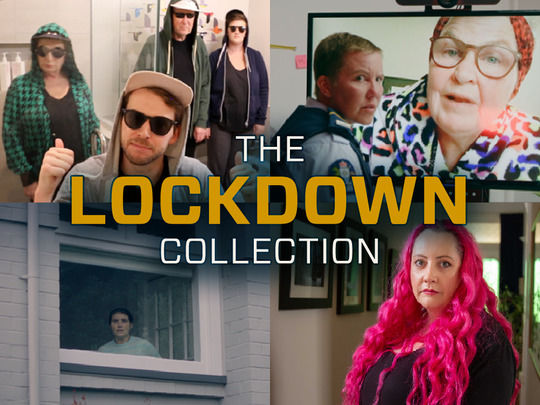
The Lockdown Collection
NZ On Screen's Lockdown Collection showcases some of the creativity that brewed in New Zealand homes after the country went into lockdown, on 25 March 2020.
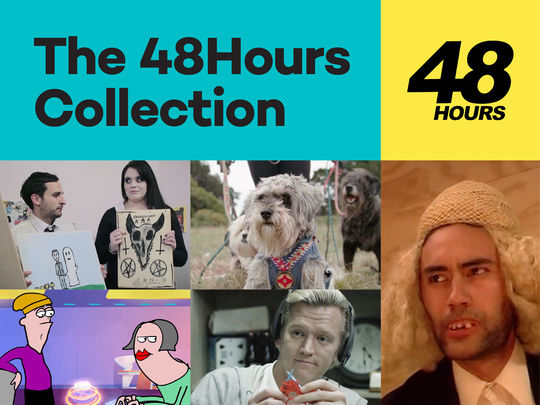
The 48Hours Collection
A collection devoted to New Zealand's annual 48Hours competition for films made furiously fast.

The Food Show Collection
A collection celebrating Kiwi cuisine, and the people that make it.
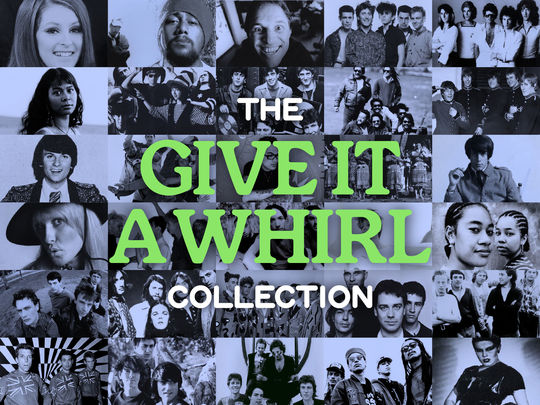
The Give It A Whirl Collection
A collection celebrating Kiwi rock music, built around classic show Give It A Whirl — including unseen interviews, radio show Give It A Girl, and three backgrounders.

The Merata Mita Collection
A collection celebrating Māori filmmaker Merata Mita.
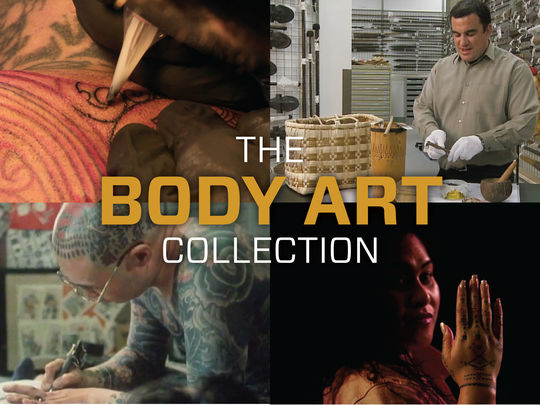
The Body Art Collection
NZ On Screen's Body Art Collection features more than 30 titles, many of them about tattooing
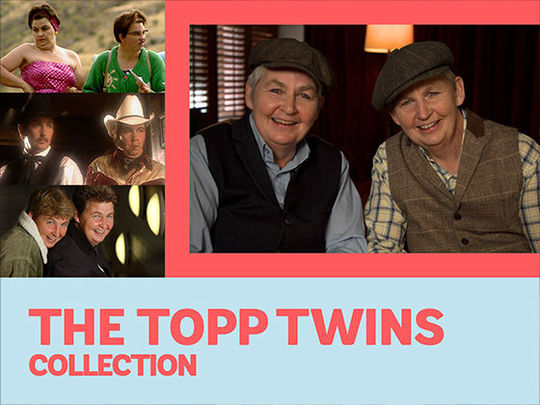
The Topp Twins Collection
A collection celebrating Kiwi singing and comedy legends the Topp Twins.
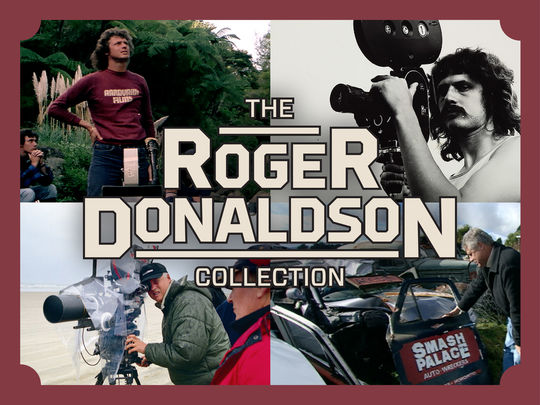
The Roger Donaldson Collection
A collection devoted to the career of director Roger Donaldson, including award-winning dramas, interviews, and lost gems.

Behind the Scenes Collection
A collection which goes behind the scenes on New Zealand movies, TV shows, music videos and commercials.

Best of the 10s
From reality TV to the rise of Taika Waititi, plus some chart-topping hits and viral moments — this collection, curated by Alex Casey and Tara Ward of The Spinoff, looks back at the screen highlights and lowlights of the 2010s.

The Shortland Street Collection
A celebration of long-running soap Shortland Street, including calamities, music, bloopers and more.
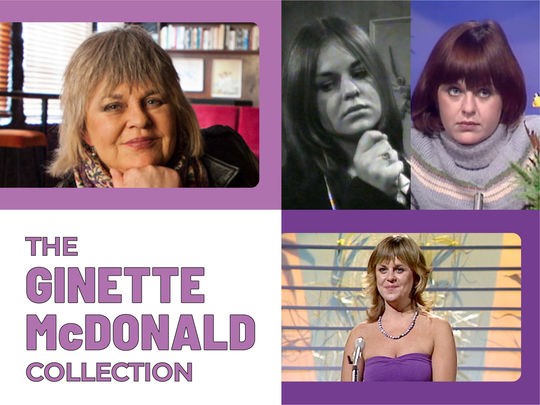
The Ginette McDonald Collection
A collection devoted to actor, comedian, director and producer Ginette McDonald.
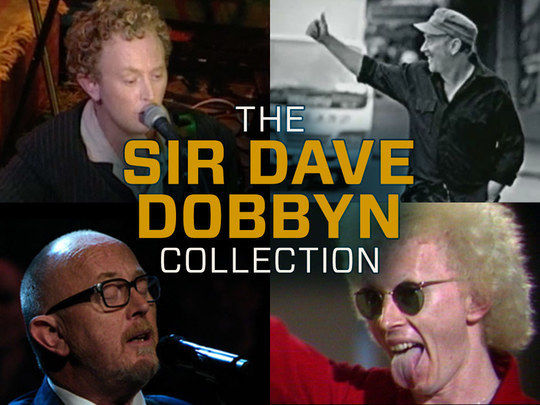
The Sir Dave Dobbyn Collection
A collection celebrating the work of legendary musician Dave Dobbyn.

The Silver Scrolls Collection
The Silver Scrolls Collection celebrates 60 incredible years of the award, showcasing a selection of past winners who have shaped the sound of Aotearoa.
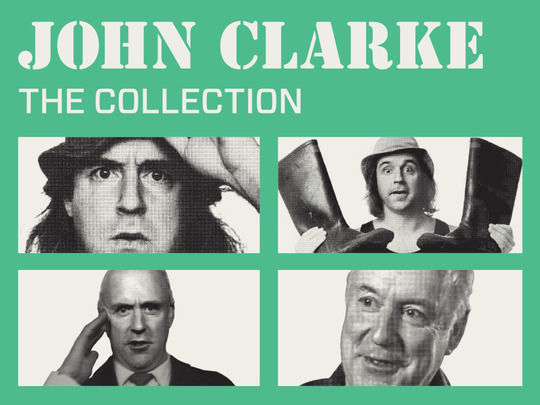
John Clarke - The Collection
A collection celebrating the outstanding career of beloved Kiwi comedy legend John Clarke. We lost him to Australia, but not before he entrenched himself in Kiwi culture with his iconic Fred Dagg character. There’s plenty of Fred to enjoy, and much more besides. Get in behind!
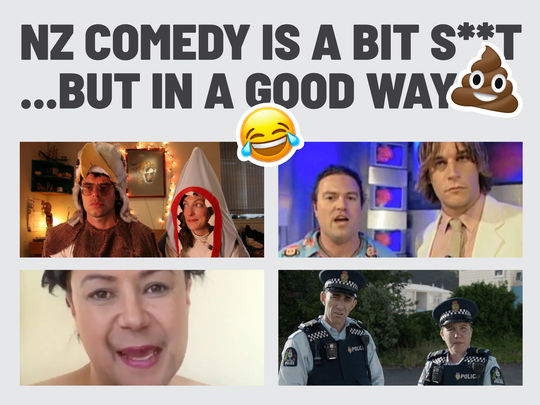
NZ Comedy is a Bit S**t ...But in a Good Way
A collection exploring the mindspinning idea that Kiwi comedy be a bit shit and quite good, all at the same time.
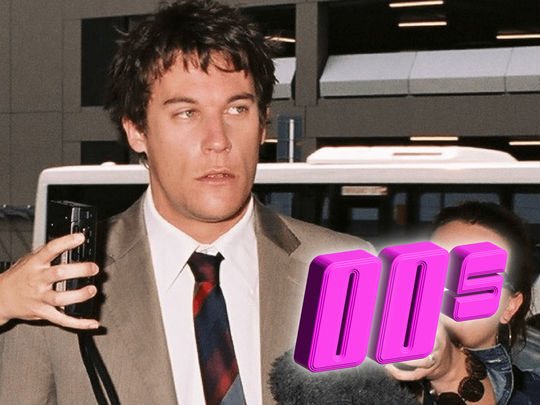
Best of the 00s
A collection celebrating classic television, film and music of the 2000s — from Outrageous Fortune to Dancing with Stars.
In Memoriam Collection
These short videos acknowledge members of the New Zealand screen industry who have passed away.