You are here:

Mike Horton

Editor

 Mike Horton

Biography

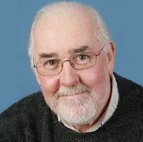
Michael Horton has edited television programmes, hundreds of commercials and 25-plus feature-length films. He has won NZ Film Awards for three features: The Quiet Earth (one of many collaborations with director Geoff Murphy), The End of the Golden Weather and Once Were Warriors.

Horton grew up in Wellington, and in the mid-60s began working as an editor at the New Zealand Broadcasting Corporation. There he worked on both documentary and drama, including historical tale The Killing of Kane (1971), which was a little of both. This re-enactment of an attack by Chief Titokowaru was the first local TV drama shot in colour.

In 1975 Horton was part of a team of future film talents to work on kidult series The Games Affair. Over the next few years he edited Fred Dagg classic Dagg Day Afternoon, worked with Sam Neill on doco Surf Sail, and in 1979 made his feature-length debut, on an adaptation of Roger Hall classic Middle Age Spread.

In the 80s, Kiwi cinema finally reached flight altitude, and Horton's name seemed to be on many of the best films emerging. From 1980 to 1985 he edited 11 features - plus TV movie Iris, whose film within a film structure presented its own challenges. Horton had worked with many of the directors before, including Roger Donaldson, the man behind 1981 classic Smash Palace. But the key collaboration for Horton was arguably with Geoff Murphy, who had co-directed Dagg Day Afternoon.

In 1980 Murphy and Horton rushed to ready a little movie for Cannes that would sell to 20 countries there, and become the first bonafide Kiwi blockbuster: Goodbye Pork Pie. The two worked together on two ambitious follow-ups, Utu and The Quiet Earth. 20 years later, after an extended Hollywood sojourn by Murphy, they would collaborate once more for Murphy's 2004 thriller Spooked.

The decade following The Quiet Earth saw Horton alternating feature films (the under-rated Starlight Hotel, co-editing the Footrot Flats movie, and a rare American-shot project, Zandalee) with occasional television work, including Alexander Graham Bell mini-series The Sound and the Silence

Horton won editing awards for two films from this period: acclaimed rite of passage movie The End of the Golden Weather, a long-time dream project for Ian Mune, and Once Were Warriors. Amongst the many reviewers won over by Warriors' defiantly in your face approach, Variety reviewer David Stratton praised Horton's contribution. Horton would also edit the highly-regarded sequel What Becomes of the Broken Hearted?

As Warriors began screening around the globe, Horton was busy on another challenging and sometimes contentious gig: helping condense the history of New Zealand cinema into 56 minutes, for centenary doco Cinema of Unease.

The same year Horton worked for the first time with directors Peter Jackson and Costa Botes, as they crafted a more comical view of Kiwi film history: Forgotten Silver. Horton co-edited the project, alongside Jackson regular Eric De Beus.

Horton must have done okay, because he was later called back for his most high profile project to date: Peter Jackson's The Two Towers, probably the most structurally challenging episode of the Lord of the Rings trilogy. Working with assistant Jabez Olssen, Horton laboured on a three hour long cut which featured epic battle scenes, and a CGI character (Gollum) which was still being perfected during the edit.

Horton (and sometimes Olssen) would be nominated for many editing awards, including a Bafta, an Oscar and an Eddie from the American Cinema Editors organisation.

Since his time in Middle Earth, Horton has edited local hit Second Hand Wedding, and the Cannes-acclaimed short Run. Wedding was directed by Paul Murphy - son of Geoff Murphy, who Horton began working with more than 30 years before. 

Horton's latest film is relationship drama Separation City, written by Tom Scott.