Registering with NZ On Screen means you can:
We won't share your data with anyone (see our Privacy Policy) and we won't spam you. It's that simple.
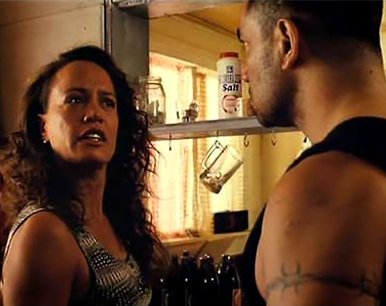
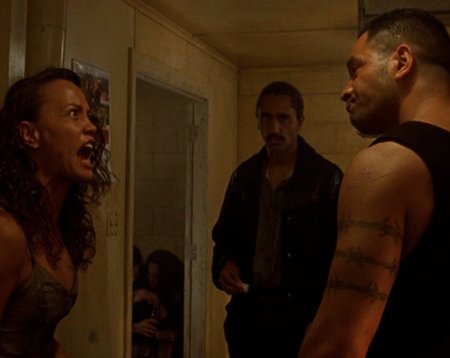
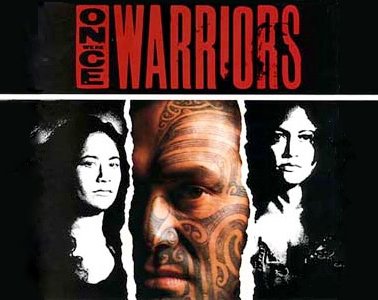
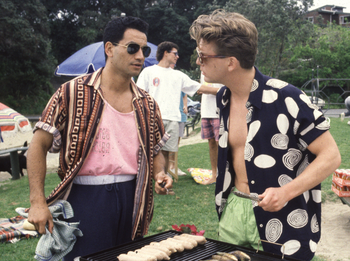
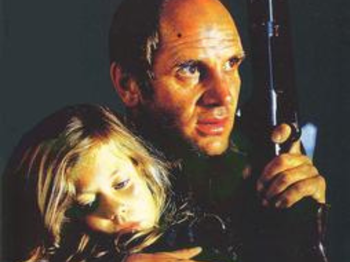
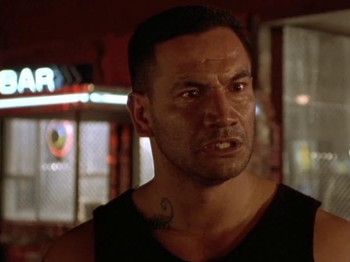
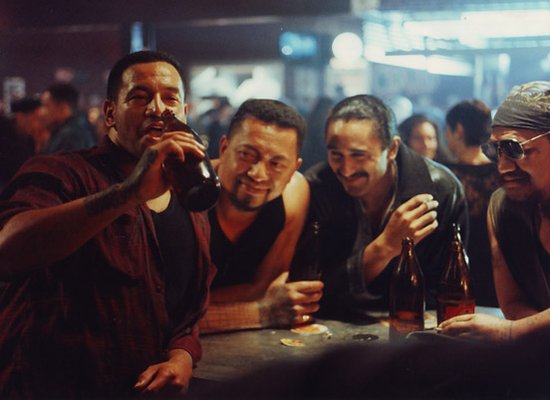
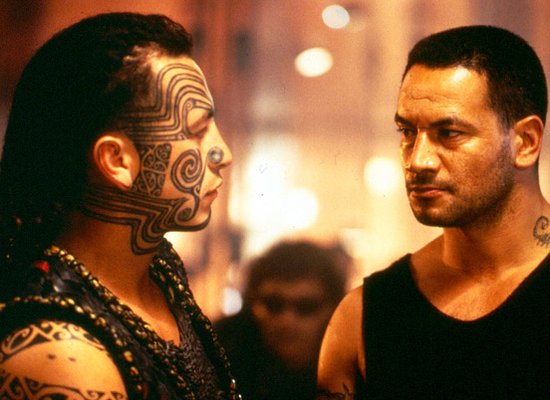
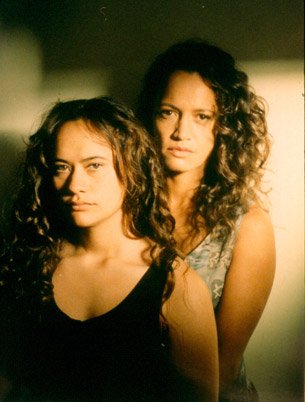
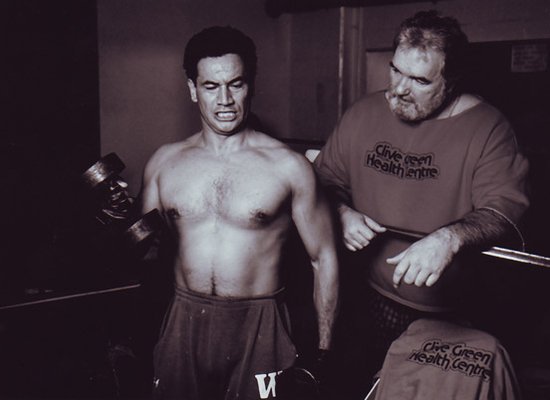
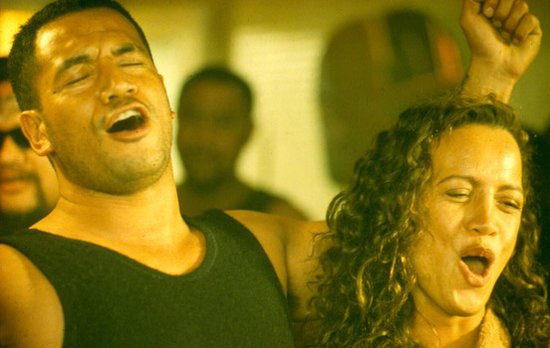
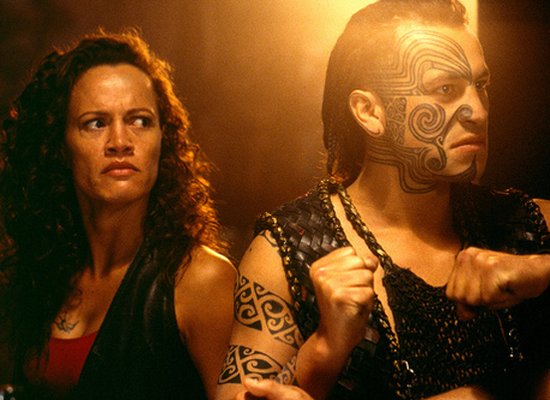
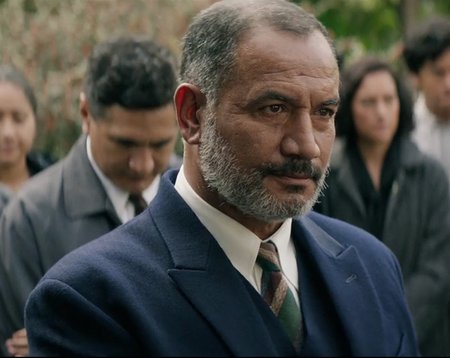
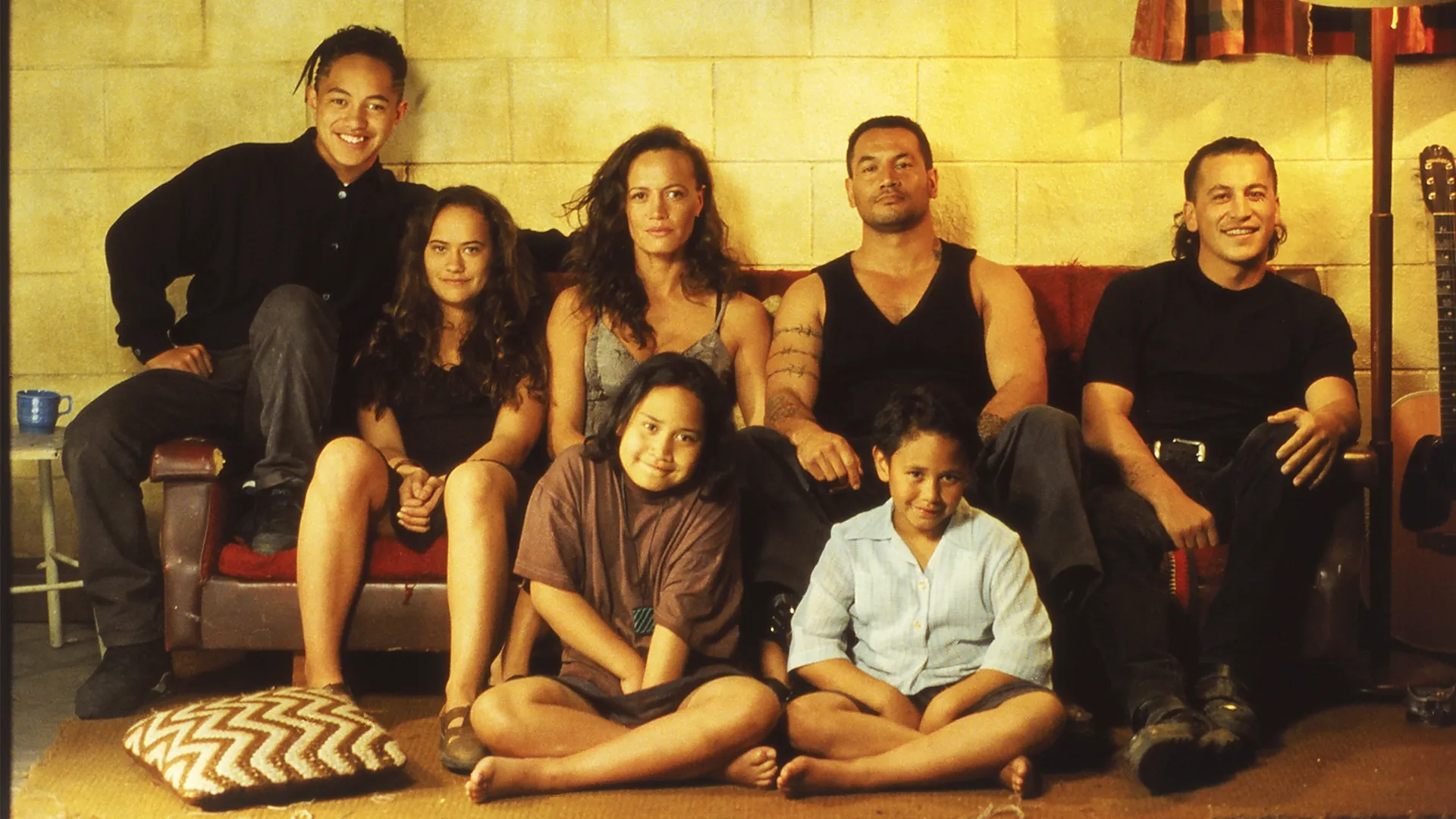
Once Were Warriors was an internationally successful film that honestly opened the eyes of cinema goers to an unexamined aspect of modern New Zealand life. Director Lee Tamahori's visceral and hard hitting depiction of gang and domestic violence amongst an urban Māori whānau was adapted from the best-selling Alan Duff novel by screenwriter Riwia Brown. Produced by Robin Scholes, the film provided career-defining roles for Temuera Morrison and Rena Owen as Jake the Mus and Beth Heke.
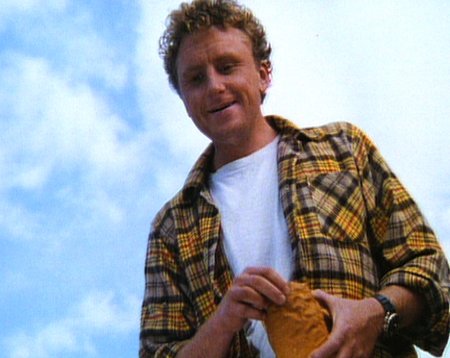
This is a brutal tale of an urban Māori whānau falling apart as patriarch Jake abuses his rage and Beth struggles to hold the family together in a South Auckland slum. The important film captured the attention of not only "shaken and silent" ...
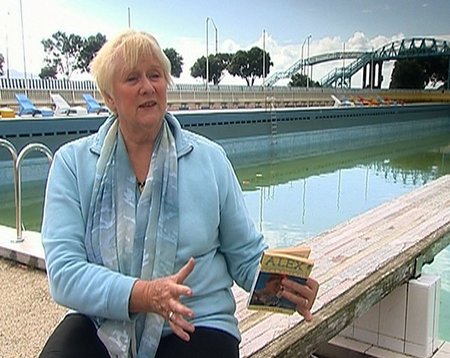
The adaptation of Alan Duff's book and the development of the screenplay for Once Were Warriors was one of the most challenging and yet creative times of my early writing career.
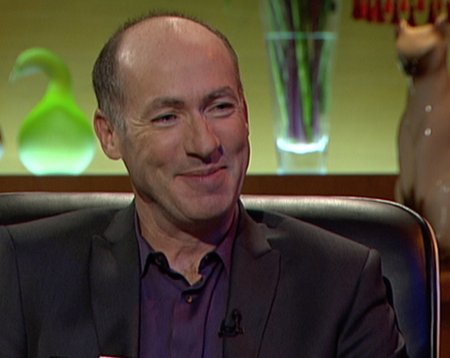
Following a chance meeting with ...
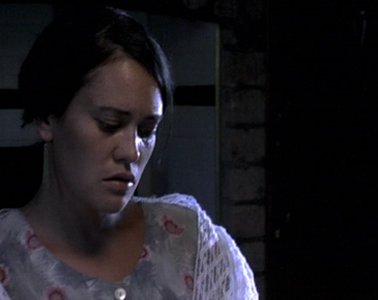
"Where the fuck is everyone!" bellows Jake Heke aka Jake the Muss (Temuera Morrison) as he swaggers onto the screen and into the New Zealand consciousness, via Once Were ...
Please keep your comments relevant to this title. Email addresses are never displayed, but they are required to confirm your comments.
The sequel is "What Becomes of the Broken Hearted". You can find out more about it here: http://www.nzonscreen.com/title/what-becomes-of-the-broken-hearted-1999

I heard that there was a sequel to once were warriors. I think the name of is (something) of the broken hearted. If this is correct what is the correct name of the sequel?

The movie was never banned in the USA or anywhere else. It had a wide US theatrical release with enthusiastic reviews. Particular praise was given to the performances of Rena Owen and Temuera Morrison.

Hi, is it rumour or truth that this movie was banned in the USA shortly after release?
Communicado
You need to be logged in to add to your favourites.
Short Film, 1967 (Full Length)
A short film about urbanisation of the Māori people
Television, 1994 (Full Length Episode)
Features Tem Morrison as Dr Ropata
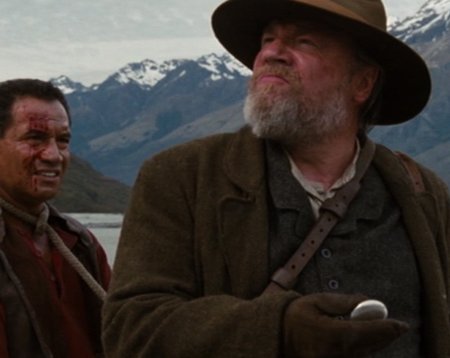
Film, 1983 (Trailer and Excerpts)
Utu's priest-decapitation scene inspired "what's the time Mr Wolf?" song lyrics
Short Film, 1983 (Full Length)
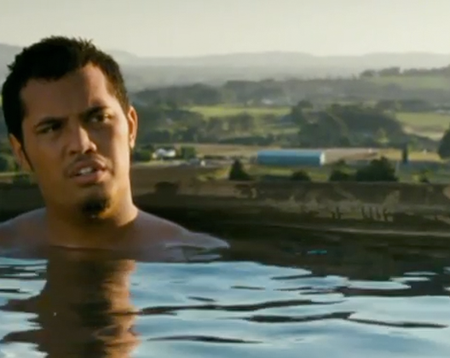
Julian Arahanga made his screen debut in the TV drama
Television, 1995 (Full Length Episode)
Rena Owen stars in this TV mini-series
Television, 2011 (Full Length Episode)
A documentary about a support organisation for victims of domestic violence
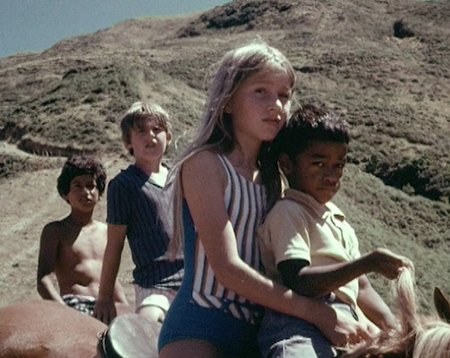
Television, 1979 (Full Length)
A 1979 teleplay about urban Māori alienated from their iwi roots
Television, 2009 (Full Length Episode)
Featuring a Temuera Morrison cameo
Short Film, 1988 (Full Length)
Music documentary made by Lee Tamahori
Television, 1990 (Full Length)
Also directed by Tamahori
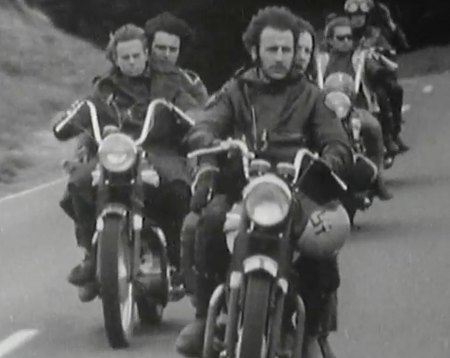
Television, 1972 (Full Length Episode)
A notorious Survey doco on ‘70s bikie culture
See all collections ›
Included in:
1996 Chicago Film Critics Association Awards
Nominated for Best Actress: Rena Owen
1995 Australian Film Institute Awards
Best Foreign Film
1995 Rotterdam International Film Festival
Audience Award for Favourite Film
1995 Fantasporto International Festival of Cinema (Portugal)
Best Actress: Rena Owen
Runner up for Critic's Award
Nominated for Best International Fantasy Film Award
1994 Venice Film Festival
Anicaflash Prize for Best First Film
1994 San Diego International Film Festival
Best Actress: Rena Owen
1994 New Zealand Film and Television Awards
Best Film
Director: Lee Tamahori
Script: Riwia Brown
Male Performance in a Dramatic Role: Temuera Morrison
Female Performance in a Supporting Role: Mamaengaroa Kerr-Bell
Juvenile Performance: Taungaroa Emile
Editing: Michael Horton
Film Score: Murray Grindlay and Murray McNabb
Soundtrack: Kit Rollings, Ray Beentjes, Michael Hedges, and Graham Morris
1994 Montreal World Film Festival
Grand Prix des Ameriques (Grand Prize)
Best Actress: Rena Owen
Audience Prize for Favourite Film
Ecumenical Jury Prize
Judged one of the 10 Best Films of the Year by
NZ Herald, More magazine, Time Magazine, The Melbourne Age, Melbourne Sunday Herald, Sunday Age, Sydney Sunday Telegraph
Real Poor Person
Posted at 03.04AM - 27.05.2012
The first tragic untruth portrayed in the film is that people from "lower socio-economic backgrounds" are generally much kinder to each other than the book and script allowed. The second untruth is that Jake or the philanderer who kept being thrown out of pubs more likely abused Gracie than that other guy who looked like a closet gay. The third untruth is that boys in New Zealand are more likely to hang themselves than girls. Gracie's death was an uninspiring misdirected fabrication that says nothing for the strength of spirit that a real girl would have.