00:00
/
00:00
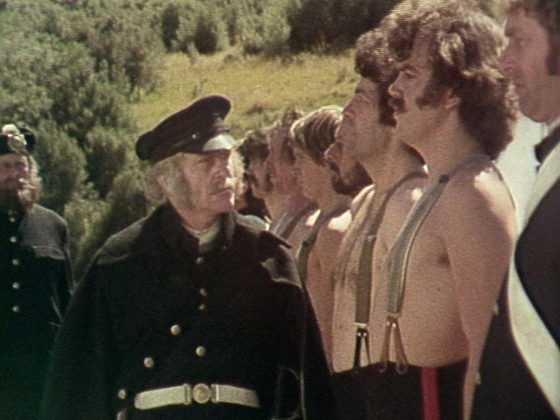
The Governor 5 - The Lame Seagull (Episode Five)
Television (Full Length Episode) – 1977
The Governor was a six-part TV epic that examined the life of Governor George Grey (Corin Redgrave). This episode arguably best lived up to the blockbuster scale and revisionist ambitions of the series. It depicts key battles of the 1863-64 Waikato Campaign — including Rewi’s last stand at Ōrākau, and the battle of Gate Pā in Tauranga. General Duncan Cameron (Martyn Sanderson) feels growing unease following Grey’s orders to evict Māori villagers, as he learns respect for his foe, and that Grey’s motives are driven not just by the urge to impose order on ‘the natives’ but by hunger for land.
Friend, I shall fight you...forever and ever.– Chief Rewi Maniapoto (Wi Kuki Kaa) makes a legendary statement of defiance, at Ōrākau
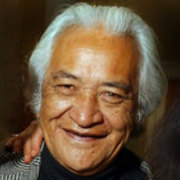
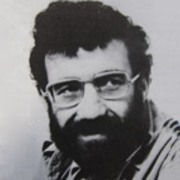
Key Cast & Crew
See all 49 credits




Acknowledgements
Produced by Television One in association with the National Film Unit
NZ On Screen acknowledges the talent and creatives for allowing NZ On Screen to reproduce The Governor on this website
If you liked this, you might also like...
The Governor
Spanning decades, historical...
Lost in Translation 8 - The Waikato-Manukau and Printed Sheets (episode eight)
More on Te Wherowhero and the Māori King movement
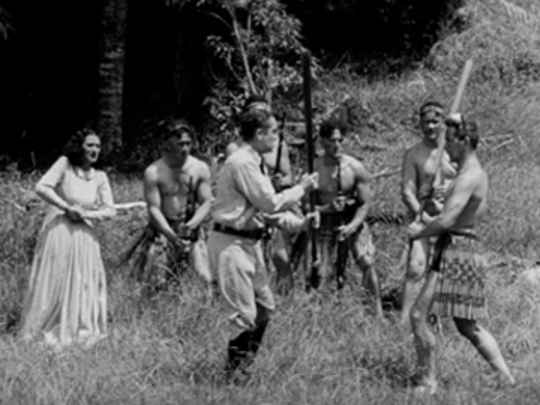
Rewi's Last Stand / The Last Stand
Classic 1940 movie about Rewi’s last stand at Ōrākau
Ka Whawhai Tonu
A feature film set about the battle at Ōrākau
Into Antiquity: A Memory of the Māori Moko
A kuia recalls the battle of Ōrākau
The Making of The Governor
Interviews with actors Martyn Sanderson & Louise Pajo
The Governor 4 - He Iwi Ko Tahi Tatou / Now We Are One People (Episode Four)
The previous episode in the series
Bastion Point - The Untold Story
Documentary on famous Māori protest against land...
Richard Pearse
Martyn Sanderson won a Feltex Award for this earlier role
Epidemic
Another bicultural drama featuring actor Martyn Sanderson
The New Zealand Wars
James Belich-presented series on the NZ Wars
Tangata Whenua - Waikato
Classic documentary on the Waikato people
Ngāti
Wi Kuki Kaa also acted in this
Mortimer's Patch - Day of Judgement (First Episode)
Actor Terence Cooper starred in this police drama
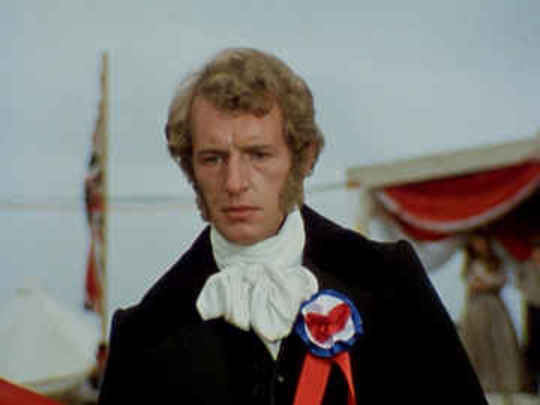
The Governor 1 - The Reverend Traitor (First Episode)
The first episode of the series
Pioneer Women - Princess Te Puea
Dramatised documentary on Princess Te Puea
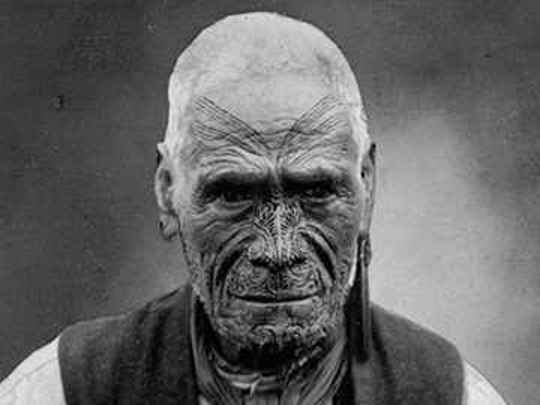
NZ Wars - Stories of Tainui
Documentary about the legacy of the Waikato invasion

NZ Wars: Stories of Tauranga Moana
Also looks at the historic battle of Pukehinahina (Gate Pā)