





NZ Fashion On Screen
NZ Fashion On Screen
This collection has three backgrounds:
Fashion and Music Videos

Small Screen Style

Gloss, Dynasty, Taffeta and the Telly

Fashion and Music Videos
By Dan Ahwa 21 Aug 2025
As a kid growing up in central Auckland, music channels and music videos defined my youth. They were a portal to the future — to worlds beyond my imagination that challenged the way society sounded, acted, behaved and dressed. I’m fortunate to have grown up in the MTV generation, when music videos became the main event on the cultural calendar. Whether it was Michael Jackson’s gravity-defying forward lean in Smooth Criminal, dressed in a crisp white Prohibition-era tuxedo with fedora; or the way Madonna pierced through the TV set with her unapologetic brand of sex and bravado in a Jean-Paul Gaultier cone bra while grabbing her crotch — music videos have always been my classroom.

Mikey Havoc in the music video for Trippin'.
Closer to home, the distinctive sound and style of New Zealand has filtered into our music, and our music videos. Mickey Havoc and Push Push headbanging to 'Trippin'' is a visceral memory of a local music video that shaped my desire to learn the drums and grow out my hair.
Supergroove, Che Fu, Scribe, Nesian Mystik, Pauly Fuemana, Conan Mockasin, King Kapisi, The Exponents and The Mint Chicks were all examples of masculinity defying a population that placed farmers and rugby players on a pedestal of what it means to be a typical Kiwi bloke. They were not only lyrical geniuses with a terrific talent for musical instruments and vocal arrangement — these male musicians inspired my own evolution of style and self-expression. Without these poets, artists and performers, I don’t think I would have been able to fully embrace my artistic inclinations.
In this curation of my favourite stylish music videos from Aotearoa, I take stock of the work it takes to develop an artist's sense of style and identity. In celebration of New Zealand Fashion Week Kahuria returning to Auckland's events calendar in 2025, at its new home of Shed 10, the invitation to curate NZ Fashion On Screen through the lens of some of our most memorable music videos was one I couldn't refuse. The videos have been selected for their sense of style, and relevance to our crossover of fashion and music canon. Sit back and enjoy, as I take you through a nostalgia trip worth celebrating.
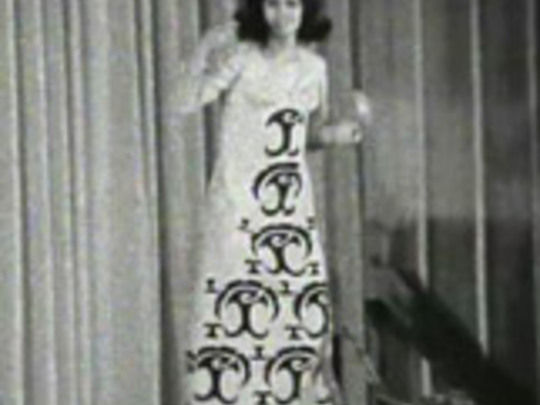
1939 - Swinging the Lambeth Walk, by Len Lye
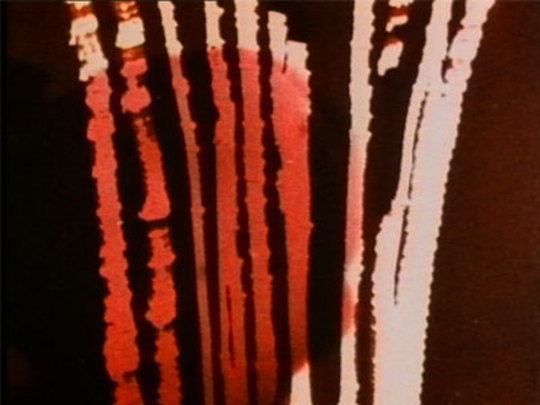
How cool and psychedelic this was, to have come out in the year that it did. Len Lye, a master of light, was referenced in a 2021 collection by one of my favourite fashion designers, Dries van Noten, making this early music video even more relevant and special to the now. There’s a dreaminess to the way the colours and shapes dance across the screen — the same effect rendered on one of Dries' beautiful shirts or jackets.
1964 - She’s a Mod, by Ray Colombus and the Invaders
Our answer to The Beatles. I love this throwback to an era I would love to travel back in time to — if only to experience the impact of the Youthquake, and the very real shift in how people approached fashion. Tidy suits, mini skirts and the feeling that the future was this great big place of colour and optimism.
1981 - Anything Could Happen, by The Clean
I firmly believe that the most stylish people in New Zealand reside in Dunedin. While this was shot in Christchurch, you can still feel the spirit of Flying Nun. Skinny suits, sunglasses and a youthful wild abandon.
1987 - (Glad I’m) Not A Kennedy, by Shona Laing
Director Bruce Sheridan really captured the punkish spirit of Shona Laing with this monochromatic video. Her hair and single earring are just two indications of the era. This is the perfect example of a singer/songwriter unafraid to challenge the status quo with her lyrical genius and individual sense of style.
1988 - Melting Pot, by When the Cat's Away
A song about racial harmony deserves outfits in different bright block colours, right? My favourite would have to be Margaret Urlich’s polka-dotted collared jacket with a large velvet Baker-boy style hat. This is another memorable music video directed by Kerry Brown that lives on in my head rent-free.
1990 - To Sir With Love, by Ngaire
This remake of Lulu’s classic has its own early 90s groove that I remember well. Ngaire’s rotating wardrobe of 90s looks reminded me a lot of the character of Hilary Banks on Fresh Prince of Bel-Air.
1990 - Black Pearl, by Moana and the Moahunters
A song that was way too ahead of its time. The band were expertly styled by Rosanna Raymond with pieces from Zambesi and Street Life (now Helen Cherry).
1991 - Trippin’, by Push Push
It’s amazing to think that Push Push were from the North Shore. This music video definitely was fun to jump around to as a precocious six-year- old. Guitarist Shayne Silver was the band's self-appointed stylist, shifting their early foray into lycra and big hair to a more rock-appropriate look by the time 'Trippin'' was released. Plus a shout-out to the 90s staple, a waistcoat, for doing a lot of heavy lifting here.
1992 - Four Seasons in One Day, by Crowded House
Crowded House never looked better. The Salvador Dali references and surreal colour treatment lend a beauty to this that is irreplaceable. What I really love is how visually it captures a style that can only be placed in the early 90s, when music videos embraced the whimsy of lo-fi graphics.
1992 - See What Love Can Do, by Annie Crummer
Parties in garages is how I would describe this melodic tribute to family, love and nostalgia. Annie’s ruffle pirate shirt and oversized hoop earrings are a sign of the times. Charlie Tumahai from Herbs makes the perfect duet partner with his signature gravelly tenor. Alongside the entire band dressed in black, Tumahai's outfit change into a white, oversized shirt is the sort of languid approach to dressing that one can only hope to achieve everyday.
1993 - Cruise Control, by Headless Chickens
Grant Fell always struck me as one of the most stylish men around, and this video featuring Grant, fellow bandmates and lead singer Fiona McDonald, is a visual reminder of how inherently cool everyone was in the early 90s without the quick gratification of social media. Grant was a pivotal inspiration to me growing up, along with stylist Rachael Churchward. The couple later redefined not only music but style, with their publications Planet and Black.
1994 - Greenstone, by Emma Paki
I was one of those weird kids who by the age of eight, was obsessed with Deep Forest, Enigma and Sophie B Hawkins. Adult contemporary really was something I discovered on my own at that tender age, so Emma Paki’s dulcet voice resonated with me. This was my portal into te reo and nature; Emma’s wardrobe choices in this video really opened my eyes to the beauty of the natural world. I was really into animated show Captain Planet at the time, and I equated Emma’s fern-covered look and shell headpiece to something Gaia, the spirit of the Earth might have worn.
1994 - Hip Hop Holiday, by 3 The Hard Way
Suburban house parties (does anyone have these anymore?) were a staple for any neighbourhood during the 90s. The track — much like the baggy jeans in the clip — is eternally cool.
1994 - In The Neighbourhood, by Sisters Underground
This video is co-directed by two photographers and artists I've collaborated with, and whose work I admire — Kerry Brown and Greg Semu. The song and the visuals are emblematic of what I love about South Auckland: it has a soul that can’t be replicated anywhere else across Tāmaki Makaurau. Brenda Makammeoafi and MC Hassanah remind me of how my aunties Helen and Eliza used to dress with their Origin jeans and button-up shirts — Polynesian 90s pride captured beautifully. Kerry’s work during this time was integral to the way Pasifika people were celebrated in fashion. He often featured brown faces in campaigns and shoots for Workshop Denim and Standard Issue.
1994 - Message to my Girl, by Purest Form
An R&B take on a Spit Enz classic. The wardrobe from this video remained in my mind to this day. The colour blocking suiting and same-same but different outfits are a formula plucked from the Boyz II Men playbook.
1994 - Can’t Get Enough, by Supergroove
This video introduced me to the sound and style of Che Fu, who made a great impact on me as a young Pacific Islander growing up in central Auckland. The all black fits were so easy to emulate at the time, and I recall being impatient for mufti day to come around so I could slip into my all black look, complete with black shades.
1996 - How Bizarre, by OMC
I went to school in Samoa for a year in 1996, and this song and video is a reminder of that period. It was a hit even in the Islands. Pauly Fuemana’s Las Vegas crooner ensemble sat in contrast to the way other Pacific Islanders in music represented themselves during this time. Pauly and sister Sina were perfect examples of Pacific glamour.
1997 - Suddenly Strange, by Bic Runga
There are so many examples of Bic Runga delivering gorgeous visuals to accompany gorgeous music, but this is one of my personal favourites. Directed by Wayne Conway — who has played a pivotal part in shaping fashion in Aotearoa, alongside partner in life and business Kate Sylvester — the video’s dream state leaves you feeling both happy and sad at the same time,; a feeling that good creatives understand too well.
1998 - Pressure Man, by The Feelers
There’s definitely a Run Lola Run vibe to this video which I can appreciate. Seeing Kirsten Dunst tap dancing to this in the cult film Drop Dead Gorgeous in 1999 reminded me of the genius of this song. Along with the very 90s outfits, the camerawork on this is pretty great.
1999 - Waka, by Che Fu
Probably one of the most beautiful songs ever produced in New Zealand. The fact that Merata Mita directed this is so iconic, a true celebration of Polynesian identity and pride. I love how Che Fu embraced this, down to the wardrobe.
2000 - Screems From The Old Plantation, by King Kapisi
Bill Urale, aka King Kapisi, really did pay homage to the old plantation. Wearing this Overstayer T-shirt with a lavalava in the motherland of Samoa was a brave display of politics — taking ownership of a term that has been used to label many of our people. Something about seeing these words against the backdrop of Samoa moves me even today.
2000 - Pacifier, by Shihad
I kind of wanted the Clockwork Orange references to go deeper here, but despite this, I still love seeing the switch between the band's white costumes and the all black outfits in the present-day. Slick production all the same, and a shout-out to the wardrobe department.
2003 - We Gon Ride, by Dei Hamo
In the early 2000s I was very much in my Polo Ralph Lauren popped collar era. I’d even made the effort to buy an ‘authentic’ Jacob the Jeweller watch for $250 on Trade Me. This was a golden period for New Zealand hip-hop, and our own spin on Americanisms and fashion was exciting to witness. I would wear Dei Hamo’s wardrobe of Letterman jackets today.
2004 - Not Many (Remix), by Scribe
Director Chris Graham really delivered this magnum opus — right place, at the right time. The Dawn Raid merch was one of my favourite moments in New Zealand fashion, and the clever black and white dress code made way for the ensemble cast to get their individual moment to shine.
2004 - Walkie Talkie Man, by Steriogram
I was obsessed with the genius behind this video and have been a big-time fan of French director Michel Gondry ever since. Currently we're witnessing a revival for traditional arts and crafts (you must see Doris de Pont's latest curation paying homage to the world of crochet, at the New Zealand Fashion Museum). This video was ahead of its time.
2005 - What You Heard, by The Checks
I wish we had more bands like this in 2025. That disheveled frenzy was a definite moment in time that is seeing a resurgence in fashion now.
2005 - Long White Cross, by Pluto
Interestingly this song came out the year Hedi Slimane’s skinny white boys in jeans agenda took off at Dior Homme, and the rest is history. Lead singer Milan Borich’s snarling vocals were also perfectly timed, when the band performed this song at one of the most iconic shows ever at New Zealand Fashion Week: Zambesi’s poetic Song Remains The Same AW2006 show at the beloved St James Theatre (RIP).
2006 - Crazy? Yes! Dumb? No!, by The Mint Chicks
This song came at a time when my style was morphing into Indie Sleaze territory: skinny jeans, B-Store brogues, a Marjan Pejowski jacket even. The Mint Chicks were a big part of this era. Working at Myhart in O’Connell Street, I tried to emulate Kody Nielson’s T-shirt/blazer/ layered chain necklaces look. It became my go-to formula for every dress code between 2006-2009.
2013 - Royals, by Lorde
Ella Yelich O'Connor’s understanding of visual communication is inherent in everything she has chosen to do since this very memorable debut. The truth and purity of this video and everything that it represented cut through so much of the music dominating the charts during this era, particularly recession pop. A simple T-shirt with a now iconic piece of jewellery from Auckland-based jeweller Meadowlark provided a clean slate. It’s great to see her return to the simplicity of a T-shirt with her 2025 album Virgin.
2013 - Runnin', by David Dallas
David Dallas and director Tom Gould in Hokianga — great treatment and one I was lucky to be part of, taking care of Dave’s wardrobe. A Zambesi jacket with contrast leather sleeves was designed by Dayne Johnston, but given a new lease of life thanks to David’s brilliant performance and undeniable swagger.
2019 - The Barrel, by Aldous Harding
Steven Park’s costume design is the perfect supporting act to Aldous Harding's whimsical movement. Her hat is a striking reminder of how a musician can assume the power and performance required to draw people in with the help of a perfectly placed hat.
2021 - Soft Energy, by Mermaidens
This pastel confection highlights the retro glamour and sound of a great track. There's a dreamy quality to the visuals that lends itself well to fashion. Lara Daly's fantastic makeup brings to light the importance not only of clothes when it comes to the expression of the artist in their visual work — but also of makeup and hair.
2023 - IHO, by Geneva AM
The combination of Geneva’s haunting vocals and this incredibly thought out ensemble makes this one of my favourite post-pandemic music videos from a local artist. I'm so honoured to have Geneva working on the soundtrack for the opening show of New Zealand Fashion Week Kahuria 2025: Into the Archives. There's a couple of surprising debuts in the mix.
- Dan Ahwa spent a decade + as fashion and creative director for The NZ Herald's award-winning pullouts Viva and Canvas. He is a contributing editor to Ensemble magazine and has served on the boards of The NZ Fashion Museum and Mindful Fashion NZ, and is an advisor for NZ Fashion Week. In 2019 he co-curated and co-wrote exhibition and book Moana Currents: Dressing Aotearoa Now.
Small Screen Style
By Claire Regnault 13 Sep 2010
In 1965, Tam Cochrane, the Auckland promoter behind the sensationally popular travelling fashion extravaganza known as the New Zealand Gown of the Year, unexpectedly called it quits. Her reason? The increasing popularity of television was killing ticket sales for live entertainment.
Rather than heading out to the theatres, dance halls and cabarets, New Zealanders were clustering around the small screen. While it defeated Cochrane, others in the fashion industry found a powerful ally in the world of television.
Nowhere was this better demonstrated than on the popular 60s music show C’mon, which provided viewers with an up-to-the-minute showcase of the latest music and by proxy, with-it gear. Gabrielle Sinton and Nicky Boyles of Auckland’s Bizarre Boutique were invited to design six outfits a week for the show’s dancers — their only criteria was that they had to be short and easy to go-go in.
Annie Bonza, a designer popular with C’mon regulars Ray Columbus and The Chicks, and "the city’s young switched ons", also applied her distinctive style and the desire to go wild to the show, as did Gerry Broughan of His Lordships. As the publicity ran, Broughan designed for the "anti-heroes, the new elite, the inner-than-in and the relaxed arrogant". Naturally, pop stars, including Larry’s Rebels, The Avengers and Mr Lee Grant, were among them.

Psychedelic black and white on 1960s music show C'Mon.
For those who didn’t like their fashion set to a frenetic beat, televised fashion shows offered a more refined pace. While the TV news covered fashion spectaculars and pageants on a regular basis, it was the Benson & Hedges Fashion Awards that formed a long-term relationship with television and audiences. Founded in the 1960s, the Awards attracted regular coverage in the 1970s, and in 1984 got a show of its very own, beamed live.
The B&H Awards became highly-anticipated armchair viewing. As Maysie Bestall-Cohen, the awards’ coordinator, commented: "Television brought a completely new perspective to it. It’s a much more complex, much bigger spectacle..."
The awards embraced television to the fullest, utilising the celebrity power of TV personalities as judges (whether they knew anything about fashion or not) and presenters. In 1988, they upped the celebrity quota by inviting stars from TV’s hit new series Gloss to participate.
In comparison to other local productions — the down-at-heel Close to Home, nostalgic Country GP and governmental dreariness of Gliding On — Gloss was set in the glamorous world of magazine publishing. In keeping with the power and money obsessed 1980s, it was brash and overdressed. The show was created by producer Janice Finn and Rosemary McLeod, a journalist renowned for her sharp wit who had firsthand experience in the fashion magazine industry.
Naturally the cast of Gloss were impeccably dressed. Take the words of Jasmine Sage, the fictional magazine’s fashion editor (played by former model Geeling Ng): "Darling, in this business, style is credibility."
Enid Eiriksson and Liz Mitchell (who had designed costumes for David Blyth’s controversial 1978 punk movie Angel Mine) dressed the cast in their own designs and garments drawn from Auckland’s thriving fashion scene, which was reaping the benefits of the city’s booming economy and champagne-fuelled social scene.

Ilona Rodgers as Maxine Redfern in Gloss.
Many benefited from their association with Gloss: Trelise Cooper of Limited Editions (who also provided Lotto’s hostess with a new gown each week), Jane Daniels, Adrienne Winkelmann, alternative boutiques such as Soo Kim, along with Monsoon, the 'grooviest' menswear store in Auckland. Monsoon produced Clacton & Frinton’s adventurous suits as frequently worn by Alistair (Simon Prast). The sharp-suited men of Gloss were hailed by Metro magazine as the best thing to happen in men’s fashion in New Zealand for decades.
The local fashion industry revelled in Gloss’s public success, and frequently colluded to blur the lines between reality and fiction. In 1988 Ilona Rodgers, who played Gloss editor Maxine Redfern, presented Alison Hutton with the B&H Supreme Award while dazzlingly dressed in a metallic gown. Adding to the confusion, Eiriksson and Mitchell, who also worked behind the scenes at the awards, submitted several Gloss designs for consideration.
In the 1990s the B&H Awards were joined on screen by the Corbans Fashion Collections / Wella Fashion Report. Where the B&H increasingly celebrated the one-off and avant-garde, the ‘report’ provided a preview of what viewers would find in stores that summer or winter. It featured popular mainstream labels such as Peppertree and Thornton Hall, who had been dressing New Zealanders since the 1960s, and by 1993 began to embrace new generation labels — like Zambesi and Workshop. The latter shook up the traditionally polite show, when true to the multicultural spirit of their brand, they sent Pākehā, Māori and Polynesian models down the catwalk, cast from all walks of life.

Workshop’s creative team included Rosanna Raymond, a ‘breakthrough’ model of Samoan ancestry, who through her work in the industry as a model, stylist and performer was determined to "brown-up" the industry. She was also connected to Style Pasifika — a live showcase of "New Zealand’s raw and indigenous style". As Raymond commented, "Pasifika was not an exposition of fashion from the islands. It was about Polynesia culture within New Zealand . . . It goes beyond culture and, to some degree, it involves casting off a lot of semi-traditional baggage."
The 21st century witnessed the arrival of Fashion Week on our screens. In 1999 London Fashion Week dominated the media’s attention as four New Zealand fashion companies — NOM*d, Karen Walker, Zambesi and WORLD — strutted their stuff at the Olympia venue, to rave reviews. We hadn’t just made it here, we’d made it there.
Two years later Pieter Stewart decided it was time to bring the world’s most influential fashionistas down under, and launched New Zealand Fashion Week. While a trade event, the week was seized upon by an enthusiastic media, including the country’s primetime news, who clamoured for backstage passes and front row seats. Such was the media frenzy generated, that a publicist exclaimed in 2008 that “no event on the New Zealand calendar other than rugby generates as much interest as Air New Zealand Fashion Week”.
Fashion was hot. Its creators were the country’s new stars.
- Claire Regnault's books include The New Zealand Gown of the Year and 2022 award-winner Dressed. She co-wrote The Dress Circle: New Zealand Fashion Since 1940. Regnault is Senior Curator of New Zealand Histories and Cultures at Te Papa Tongarewa.
Gloss, Dynasty, Taffeta and the Telly
By Fiona Hawtin 13 Sep 2010
Growing up, I never wanted to be one of those people who obsessed about the newsreader's tie. Turns out that's exactly what I am. Huge cost of living increases...whatever. Just look at the waistcoat Alison Mau is wearing — and with that striped shirt. Goodness, what was the TVNZ stylist thinking?
I did try to be somewhat deeper than that in my angst-ridden teens, but if you pair an interest in fashion with the impressionableness of youth and a fascination for lavish soap opera Dynasty, it follows that you'll always watch television as much for the "what are they wearing?" angle as the actual content.
Back in the 1980s the internet didn't exist, so logging onto style.com to see what had just come off the runways in Paris, New York, London and Milan was never an option. For glamour, it was the occasional music video, movies and the odd Vogue magazine.
Mostly, fashion updates came via television. I preferred those programmes with high glamour. And there was none better than Dynasty, which ran from 1981 to 1989, to deliver the last word in 80s excess. Forget the insipid Krystle Carrington; it was all about grand high bitch Alexis Carrington, played by Joan Collins, who was in her late 40s when the series began. All power to women of a certain age. Her dramatic and well-dressed presence made a lasting impression, and may explain my ongoing fascination for heated rollers.
The show's costume designer Nolan Miller saved the best for Collins, from extravagant gowns to whopper diamond necklaces, enormous hats and coordination money can't buy. It may have been the 1980s, but Alexis was one of the few women who lived through it stylishly, without excessive use of those dreadful taffeta dresses so beloved by bridesmaids and beauty contestants of the time.
If only I could have got my hands on the fashion line The Dynasty Collection, based on costumes worn by the characters. Sadly, the Net-a-Porter website was some years off.

New Zealand's answer to Dynasty was, of course, Gloss. It had a shorter life at the end of the 80s, but it still carried sartorial weight with me because it was made here, therefore the fashion was more accessible.
Costume designer Liz Mitchell latched onto those big mother shoulder pads early on. Magazine editor Maxine Redfern (played by Ilona Rodgers) and, my personal favourite, the slightly ditzy fashion editor Jasmine (played by Geeling Ng) were rarely without them. Under the influence of Gloss, I bought a Zambesi tube dress with shoulder pads an American footballer would have been proud of.
That's the thing about fashion on television. It has incredible power of suggestion, and that's even with the advent of the internet, Facebook and Twitter.

A publicity still for 1993 movie Desperate Remedies.
The costumes for 1993 NZ feature film Desperate Remedies also sent me reeling — but being lavish Victorian, there wasn't quite so much danger of me trying to replicate them in my wardrobe. Thank goodness.
As well as our favourite TV dramas, movies and music videos, we 80s and 90s TV viewers also got some actual New Zealand fashion specials: the annual Benson & Hedges Fashion Design Awards and the Corbans Fashion Collections showed us the good, the bad and the downright peculiar of local design, not to mention giving us debut appearances from models such as Rachel Hunter, Hilary Timmins, and later, Kylie Bax.

Model Rachel Hunter at the 1986 Benson & Hedges awards.
Pieter Stewart was the driving force behind the Corbans Fashion Collections, which eventually evolved into NZ Fashion Week. Fashion Week has had a huge influence on the New Zealand fashion scene, generating massive amounts of coverage on television and other media.
These days our fashion designers get significant media coverage, and this NZ On Screen fashion collection includes documentaries and arts series items on the likes of Kate Sylvester, Nom D, and twenty-seven names, as well as specials on the Wearable Art Awards and Style Pasifika.
So we have had our fair share of NZ Fashion on screen. But for the lean periods, I can always get back to critiquing the newsreaders until the next big thing on the small screen comes along!
- Fiona Hawtin spent six years as the editor of Fashion Quarterly magazine. She later opened desert catering service Violet Patisserie, before returning to editing with Your Home and Garden magazine.