00:00
/
00:00

Breaking Silence - Series Four
Web (Full Length Episodes) – 2025
He said, 'Don't tell anyone, or else.' So I never did.
– Maureen Fepulea'i on the threats her abuser made, in episode one
We just had so many plans for the future and I just thought we'd be growing old together. We wanted to open up our own law firm.
– Annaliese Wadsworth remembers her friend Zana Yaqubi, in episode two
It got to the point where we had no money. We had a Range Rover in the driveway, I had a Gucci bag, but we had no food in the fridge.
– Rebecca talking about the financial control her partner held in their relationship, in episode three
Violence has a lot of shape and form. And a lot of times, they actually don't touch you at all.
– Hina Nasir talking about other forms of abuse, in episode five
You don't have to know everything about the individual. You don't have to understand their identities, who they are, how they view themselves, what language to use, you ask them. If you want to know, 'What can I do to best support you?', ask the question.
– Hamie on how to help others, in episode six
A lot of the public of New Zealand see violence, and particularly family violence, as a Māori problem — and certainly it is the visible face — but in Māori situations, what you have is two people, multiple and complex trauma histories, and the violence as an upshot of that. And when you unpack all of that, you also have to factor in the impact of colonisation.
– Dr Nicola Atwool on the stereotypes of family violence, in episode eight
I think shame is one of the big killers in New Zealand. I had so much shame that I was being hurt, and then also that I was forgiving him, you know? And so I thought, 'Well, since I've forgiven him once, I'm not even allowed to ask for help.' I didn't want anyone to know. I thought that people would think I was stupid, I thought people would think I was lying.
– Host Simonne Butler on the shame of being abused, in episode eight
If you liked this, you might also like...

Breaking Silence
Web series Breaking Silence shines a light on...
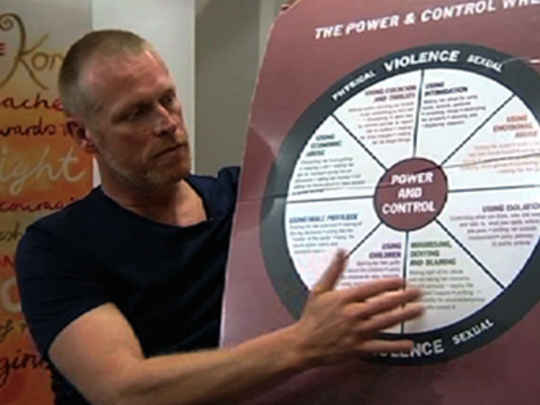
Open Door - Shine
Anti-violence group Shine featured in this episode
Nigel Latta 4 - Killing Our Kids (Episode Four)
Documentary about child abuse and domestic violence

Breaking Silence - Series One
The first series of Breaking Silence
Namaste New Zealand (15) - Series Two, Episode Seven
A look at domestic abuse within Indian families
Loading Docs 2016 - Street Smart
Short documentary on escaping family violence
Once Were Warriors
Famous feature film dealing with domestic violence
My God - Ray Avery
Profile of a man who overcame child abuse
Open Door - Shakti
Organisation helping migrant victims of domestic violence
The Five of Us – The Life of the Lawson Quins
Domestic abuse in a high profile family
220 Miles
More on victims of abusive relationships
The Beach
Short film touching on domestic violence