00:00
/
00:00

Hōiho - Series Two - "Best of" Episode
Television (Full Length Episode) – 2013
It’s said the most beautiful view of the world is seen from between the ears of a horse.
– Annabelle Lee-Mather opens the show from a horse-lover's point of view
Ki a tātou te Māori ko te eke hōiho me te whakawhanaungatanga, e rua e rua.
[To Māori people, horse riding and relationship building are one and the same.]– Host Annabelle Lee-Mather describes the importance of hōiho in te ao Māori
I have to ride until I’m 80, or until my horse gives away under me. He’s gotta give way under me and then I’ll stop, I think.
– Taina Atkins (Te Aitanga-a-Hauiti), 77-year-old horse rider
I’ve been riding since I was a four-year-old kid, and I love them because they don’t answer me back, of course. A pakeke does eh, and a kid, and a mokopuna — they answer you back alright. But my horse don’t — he listens.
– Taina Atkins (Te Aitanga-a-Hauiti) tells Annabelle Lee-Mather about her history of horse riding
All the horse wants to do is please us. It’s the human that gets in the way, but we don’t know we’re getting in the way. So when we can bridge the communication gap, and the lightbulb goes on for the horse, and for the rider... I think that’s pretty much why I enjoy doing what I’m doing.
– Manaia Armstrong (Ngāti Hine, Ngāti Wai) on his approach to breaking in horses
All a horse is is a reflection of whoever’s on their back, or whoever’s trained them.
– Manaia Armstrong (Ngāti Hine, Ngāti Wai), as he demonstrates his training techniques
There’s an old saying that real horsemen don’t look at a horse with their eyes, they look at a horse with their heart.
– Annabelle Lee-Mather sums up the episode before she rides off on her hōiho
The power of Hōiho as a series is that it celebrates rural Māori communities and how horses remain an important part of that lifestyle. Hōiho evokes a sense of nostalgia for those of us who may no longer live in country places but still relate to them from the past. Every Māori whānau has their horse story.
– Producer Michelle Lee, in a press release from Māori Television, 11 April 2013
If you liked this, you might also like...

Hōiho
Produced by Kapu Tï Productions with the support...
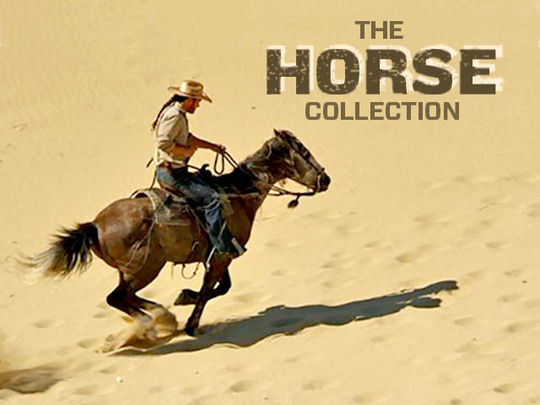
The Horse Collection
This collection features all things equine on NZ screens...

Hōiho - Series One - "Best of" Episode
Highlights from the first series of Hōiho

Piri's Tiki Tour - Tolaga Bay (First Episode)
For more about life in Ūawa Tolaga Bay

Moon Jumper - First Episode
A television programme about a young horse rider
Rodeo Kaupoai
A series about Māori rodeo, also hosted in te reo Māori
Children of the Revolution
Documentary produced by Hōiho's Claudette Hauiti
The Casketeers - First Episode
Annabelle Lee-Mather co-created this reality show

Hongi To Hāngī: And Everything in Between - Excerpt
A series produced by Annabelle Lee-Mather