00:00
/
00:00

NZ Wars: Stories of Tauranga Moana
Web (Full Length) – 2024
As a soaking wet dawn breaks on April 29, 1864, the most ferocious artillery barrage ever seen on New Zealand soil is about to be unleashed. It will shake their newfound faith to its core.
– Mihingarangi Forbes on the morning before the battle of Pukehinahina begins
Māori are relying on karakia, courage and cunning.
– Mihingarangi Forbes on the tools Māori had against the British
Māori are fighting the world's sole superpower at the time, and they have some of the heaviest artillery ever fired in anger in New Zealand, including 110-pound Armstrong guns, which is a hugely powerful weapon.
– Dr Vincent O’Malley on the force Māori are facing against the British soldiers
Although women helped to construct Gate Pā, Hōri Ngātai said they were removed to a place of safety before fighting took place. So Hēni is the exception to that. She later recalled that she loved her brother so much she wanted to remain by his side, whether they lived or died. She is one of the most remarkable wāhine toa from the New Zealand Wars.
– Dr Vincent O’Malley on Hēni Te Kiri Karamū's involvement at Gate Pā
One of the British troops leant over and said to one of our men, “You could see we were an overwhelming force, why didn’t you stop?” And then that’s when he says, “He mate ahau mō te whenua" (I must die for the land).
– Matakokiri (Des) Tata on the last dying words of a Māori at Te Ranga
As far as I’m considered, the war is still — kei te haere tonu te pakanga (the war is still going). It’s just morphed into something else, eh? Which is a bit more scary because it’s like everything looks alright on the surface, but it's what is happening underneath.
– Maxine Ngaronoa Reweti-Ngata talking about the reparations for land confiscation.
Hēnare Taratoa’s code of conduct set out various rules for fighting, and that includes that those who surrender will be well treated, they won't be harmed. . . It's really quite a remarkable document because the very first Geneva Convention is signed months later in August 1864. And a number of the things in that are anticipated really in this code of conduct that Māori in Tauranga themselves devised.
– Dr Vincent O’Malley on the code of conduct sent to the British soldiers before the battle
If you liked this, you might also like...
NZ Wars
Journalist Mihingarangi Forbes co-wrote and presents...
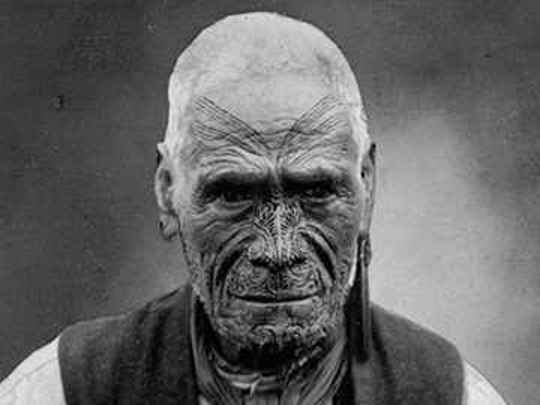
NZ Wars - Stories of Tainui
Another story of nearby warfare from the same series
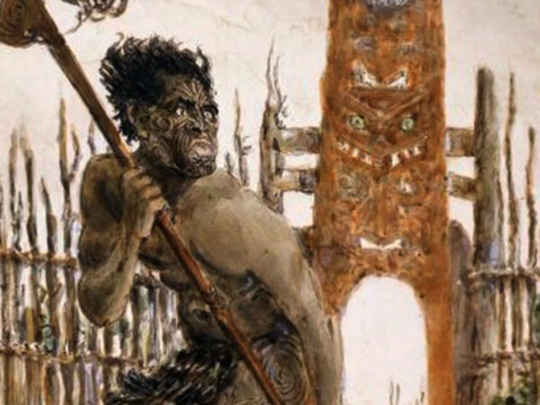
Lost in Translation 6 - The Tauranga Sheet (episode six)
More on Māori histories in Tauranga
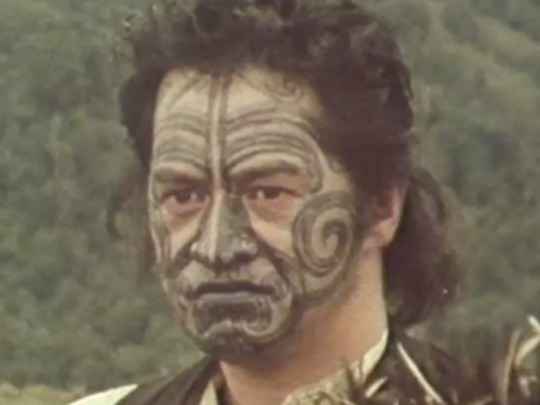
The Governor 5 - The Lame Seagull (Episode Five)
Features a dramatisation of the battle of Pukehinahina
The Hui: Ngā Mōrehu - Survivors of State Abuse
Mihingarangi Forbes also presents this doco
The New Zealand Wars - Episode 1, The War that Britain Lost
An award-winning series on the New Zealand wars
Koha - Raupatu, The Loss of Land
A doco on the military invasion of Waikato
The Casketeers - First Episode
Also from Executive Producer Annabelle Lee-Mather
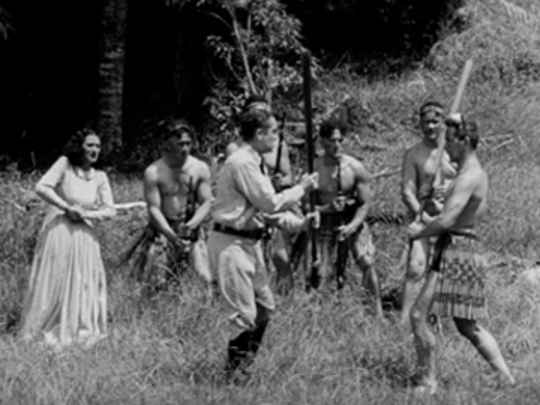
Rewi's Last Stand / The Last Stand
A dramatisation of another battle of the New Zealand Wars

Utu
More battles against colonial forces in this feature film