00:00
/
00:00

1: Dave McArtney, The Pink Flamingos
2: Julia Deans
3: Sarah-Kate Lynch, Mel Parsons
4: Dame Jenny Gibbs, Gina Sanders and Sarah Watkins
5: Karl Steven, The Drab Doo-Riffs
6: George Henare, Katie Scott & The Miss T's
7: Jane Clifton, The Eastern
8: Bruce Baguley, Auckland Philharmonia and Rebecca Ryan
9: Paul Callaghan, Victoria Girling-Butcher
10: Shane Jones, Grand Rapids
11: Marilyn Waring, Iva Lamkum
12: Te Radar, The Bats
13: Annette Sykes, Maisey Rika
14: John Psathas, Steven De Pledge
15: Tom Scott, The Adults
Talk Talk - Series Five
Television (Full Length Episodes) – 2012
Now on television you see pictures of double helices and everything being done by graphics. But at that time everything was in your imagination and so you had to be able to think in three dimensions and in time as well. So I think imagination is important for science — still is.
– Professor Bruce Baguley on the role of imagination in science, in episode eight
It’s hard not to get to like some of the politicians when you see them day in and day out. But I don't think it's possible to stay cosy. It doesn’t matter how much you personally like or admire any of them — the story is the story.
– Political journalist Jane Clifton on working with politicians, in episode seven
I love the stage because it’s live — you’re the boss! What you say on screen only enhances the visual; the visual is far more important. But on the stage, it’s the spoken word that’s much more important.
– Actor George Henare on acting for stage vs screen, in episode six
I’ve never had a strong sense of ownership, it might sound odd, I have a sense of guardianship. And I think my role is to look after the art. I make it as available as possible. All the institutions borrow from me, I give away quite a lot of art.
– Philanthropist Dame Jenny Gibbs on being an art collector, in episode four
My books aren’t really chick-lit, they’re commercial women’s popular fiction. But what it means is, when the company reps are going around the bookstores, they can’t say, "Well, it’s chick-lit" They can say "It’s like chick-lit, but...".
– Author Sarah-Kate Lynch on the genre she writes in, in episode three
I draw on my friends. My friends are really important to me, they’ve always been really encouraging and supportive. And when I’ve lost sight of my own dreams and my own drive, they’re the ones who have picked me up and dusted me off.
– Singer-songwriter Julia Deans on her creative support circle, in episode two
We rented this house in Hollywood. It was 15 bedrooms, just above Laurel Canyon. And we were these young guys from New Zealand — you know "Where’s New Zealand?". We had Hawaiian shirts and ripped jeans, and we didn’t look like punk rockers. But we kind of were, in a funny way … we got known pretty quickly.
– Musician Dave McArtney on Hello Sailor's move to Los Angeles, in episode one
When we first arrived, they said, "Look, there’s 80,000 bands in this city", we went, "Oh yeah? Well, we’re just another one to the top of the pyramid".
– Musician Dave McArtney on Hello Sailor's arrival in Los Angeles, in episode one
The public have a kind of strange view of scientists as being pointy-headed people who are kind of a bit autistic, who hide away in their laboratories and so forth. But of course, in truth, science is a very social activity. It's always done with groups of people communicating, and part of the role of being an effective scientist is to explain your science to other scientists, and that requires communication skills.
– Professor Sir Paul Callaghan on the general public's perception of scientists, in episode nine
Politics is such is such a random, and bruising experience. Provenance has bugger all to do with it. It's got to do with cobbling together support, it's got to do with manufacturing and maintaining an identity with the media, and it's also got to do with timing. And whilst you can bear the mark of someone who has been tohu-ed, who has had a sign put on them, politics I actually believe is probably the hardest context within which to fulfil that kaupapa.
– Politician Shane Jones, emphasises the importance of being self motivated in politics, in episode ten
It was gruelling. And when I take a snapshot look back over those years, I sat in government during dawn raids, I was sitting in government during Bastion Point, I was in government during apartheid tours, three reproductive freedom debates, nuclear-free New Zealand — this was a tough period and there were many things that we were embattled around.
– Former MP Marilyn Waring on the many major events during her time in government, in episode eleven
I asked a network executive at TVNZ if they would send me there to make this documentary, and they laughed at me. So I'm a big believer in making your own work by making ridiculous statements in bars to friends, saying, "I'm going to do this!" And I said to friends in a bar, "I'm going to go to Timor and I'm going to make a documentary about it." ... Because you've said it, then you have this impetus to go and do it.
– Comedian and Presenter Te Radar on making a documentary in Timor, in episode twelve
When I saw Pākehā woman with her head split open, bleeding, I could not believe that we were living in modern New Zealand, in a society that prided itself on racial tolerance, and cultural diversity through understanding, inflicting this kind of pain on beautiful young women. I can never ever forget those things, and I will resist that kind of strategy of violence to deny the people to think, for the rest of my life.
– Activist and lawyer, Annette Sykes, on witnessing the 1981 Molesworth Street protests against the Springbok Tour, in episode thirteen
I started listening to music through the night, and I'd listen to anything, and what I found was that I had profound experiences listening to music. It was the most incredible thing. I had no idea that this was the case. It would be Beethoven or Elton John, whatever was in the library that we had of LPs, and I just became addicted. I couldn't not listen to music.
– Composer John Psathas on his first experiences with music, in episode fourteen
It was when I was 10 I did my first piano lesson and that was it. The piano teacher said "Oh, you're quite good at this", and I was like "Oh, I'm good at this! I'm gonna be a musician!"
– Composer and musician Karl Steven on when he first decided to go into music, in episode five
The Scott family operated like those rods in a nuclear reactor. We were constantly suppressing a chain reaction of anger, and that's how the family survived.
– Writer and cartoonist Tom Scott on growing up, in episode 15
If you liked this, you might also like...
Talk Talk
For five seasons, TVNZ 7's interview show was...
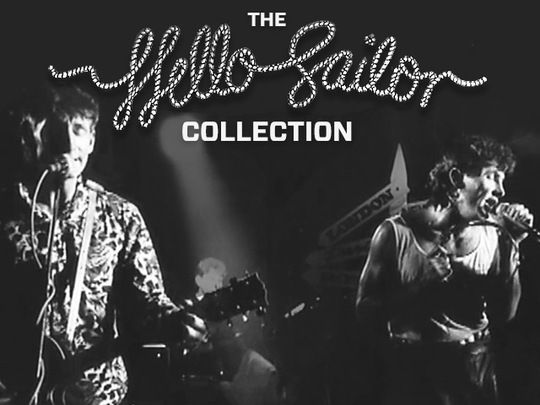
The Hello Sailor Collection
A collection devoted to legendary Ponsonby rock'n'rollers...

The Good Word - Series One
Finlay Macdonald on notable NZ books
Virginia
Music video from Dave McArtney (epsiode 1)

Lydia
Music video from Julia Deans (epsiode 2)

Venus and Mars
Karl Steven (episode 5) composed for this TV feature
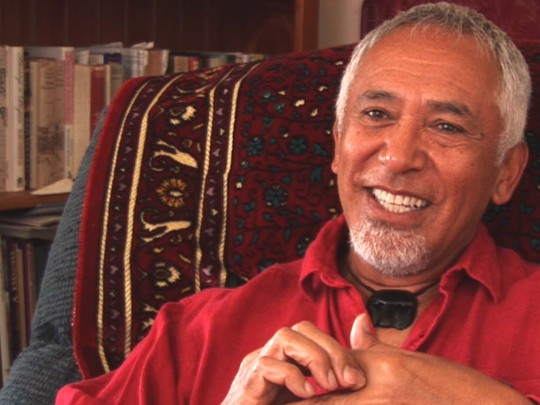
George Henare: acting on screen and stage...
Another interview with George Henare (episode 6)
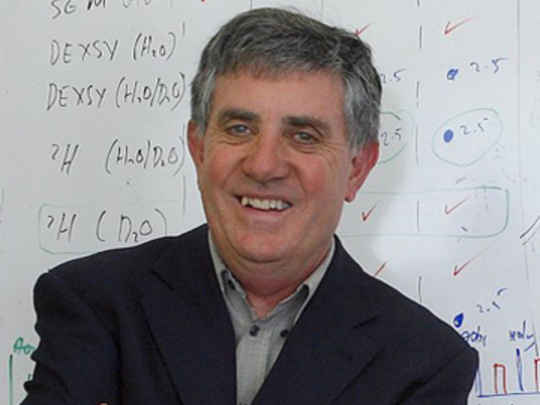
Paul Callaghan: Dancing with Atoms
Documentary on scientist Paul Callaghan (episode 9)
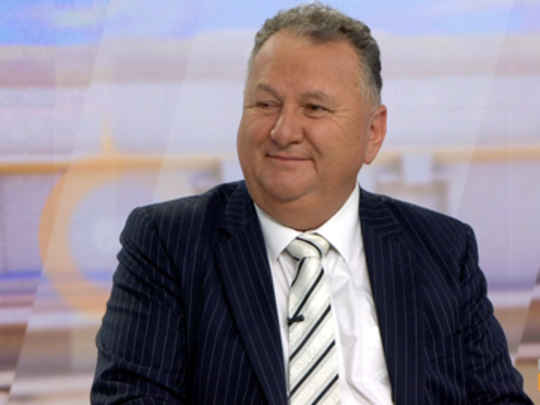
Newshub Nation - 1 March 2020
Another interview with Shane Jones (episode 10)
Queer Nation - Marilyn Waring
Features a profile on Marilyn Waring (episode 11)
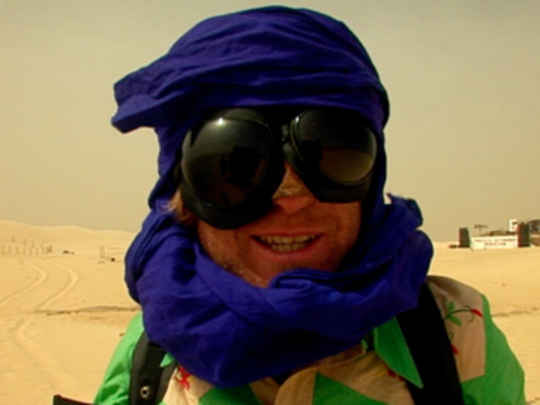
Intrepid Journeys - Mali (Te Radar)
Te Radar (episode 12) presents this travel show
Radicals
Features more interviews with Annette Sykes (episode 13)

Neighbourhood - Napier (with John Psathas)
John Psathas (episode 14) revisits his hometown
Tom Scott - Funny As Interview
An extended interview with Tom Scott (episode 15)