You are here:

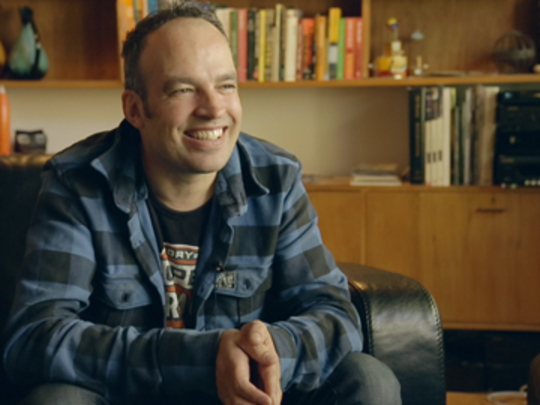
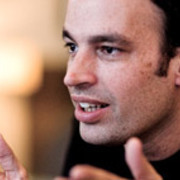
Robert Sarkies

Director, Writer

 Robert Sarkies

Biography

Even though he's a good deal younger than the first wave of directors who emerged during the ‘Kiwi renaissance' of the 1970s, Robert Sarkies shares a good deal of the same pioneer spirit.

Clues to the pragmatic yet visionary approach of this filmmaker can be seen in his dogged childhood attempts to procure the means of production.

Sarkies was born and raised in Dunedin. Aged about ten or eleven, Sarkies says he realised he needed to own equipment in order to explore his love of photography and drama. But even a modest camera was a huge expense for a kid whose family was not wealthy. So every day young Robert saved 50c of his lunch money and after 18 months of hunger, he had his first camera.

Sarkies learned a vital lesson early: success is down to goals, discipline, and hard work.

His cinematic education was practical too. Like many of his contemporaries, Sarkies was inspired to take part in the annual film competition run by television kids show Spot On (Peter Jackson was earlier a runner up in this annual event).

Sarkies gathered like-minded individuals around him into a group that collaborated on one project after another. The strategy of Nightmare Productions was to make short films and learn as much as possible until they could make a feature film.

With the same dogged momentum that got him his first camera, Sarkies pushed out short films of ever-increasing artistry and sophistication. Dream-makers (1992) was followed by Flames From The Heart (1995).

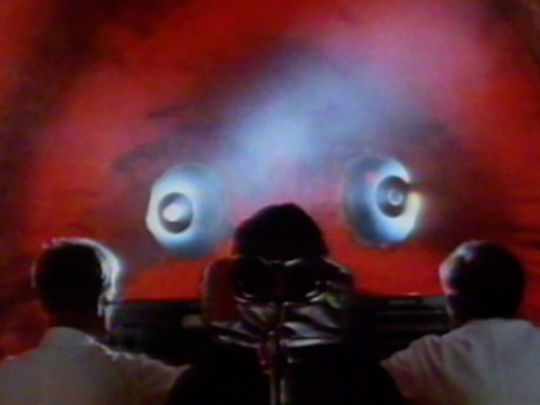
But Signing Off (1996) was a quantum leap in quality, and success. The tale of a DJ who shows impressive dedication to his listener(s) got Sarkies international attention, including first prize at the prestigious Montreal World Film Festival.

Sarkies was able to start making a living doing what he loved, albeit directing commercials.

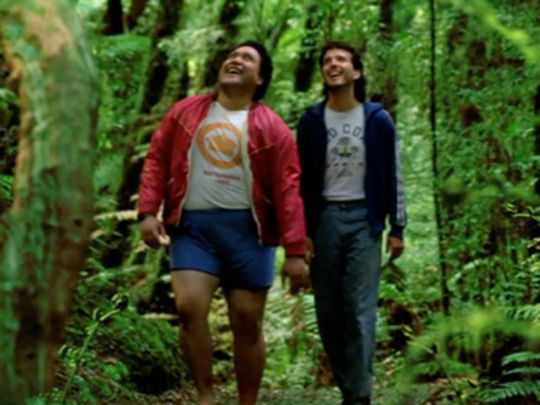
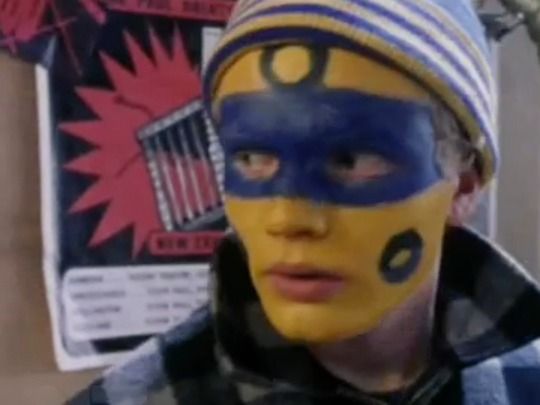
But the dream of realizing a feature film in Dunedin had not gone away. Collaborating with his prodigiously-talented brother, Duncan Sarkies, on a screenplay, Sarkies came up with a twisted yarn of crime, greed and guilt set amongst Dunedin's student community. Scarfies (1999) was a critical and popular success, setting him up as a talent to watch.

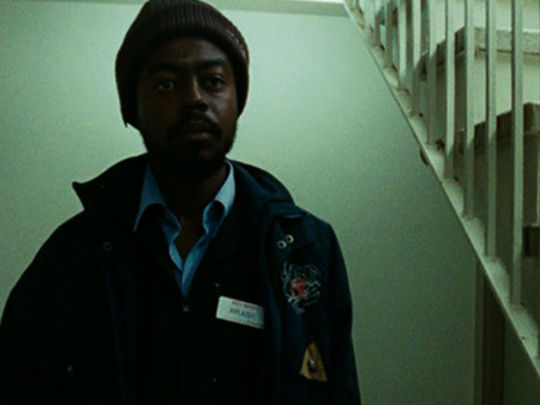
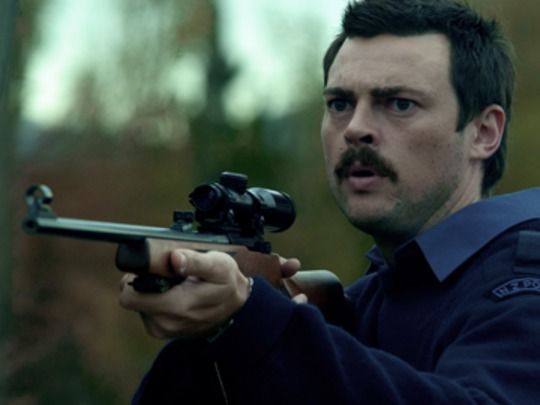
Sarkies worked on another collaboration with Duncan but the project languished in development purgatory. When a feature opportunity knocked a second time, Sarkies was ready. Out of the Blue, (adapted by Sarkies and Graeme Tetley from Bill O'Brien's book), was a dramatisation of New Zealand's largest mass-murder: the slaying of 13 residents in the seaside town Aramoana by local loner David Gray on 13 Nov, 1990.

The maturity of vision he brought to bear on his sophomore feature is startling when one sees the progress from Scarfies, let alone the playful experimentation of his early shorts. The film generated critical acclaim.

"An inspiring film on a bleak subject, an account of everyday people who struggle to protect their loved ones from horror", wrote The New York Times' review. It premiered at the Toronto Film Festival in the Discovery section.

Perhaps surprisingly, given its bleak subject matter, Out of the Blue was a success at the NZ box office, taking over a million dollars and (as of August 2010) sitting at No.13 (just behind Scarfies) on the all time hit list.

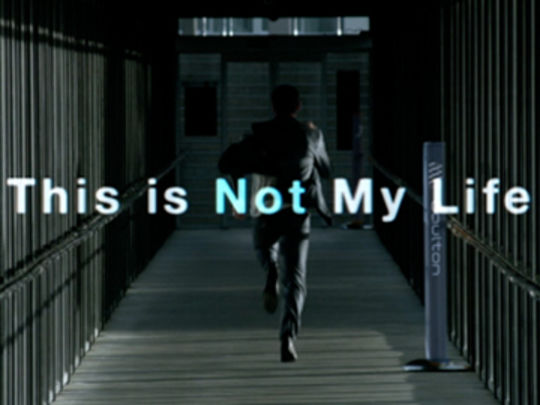
Sarkies spent much of 2009 working on new Rachel Lang/Gavin Strawhan TV series This is Not My Life, having been won over by the originality and complexity of the writing. The series is based around a man (Charles Mesure) who wakes up and can't remember his own name, nor the existence of his wife and children. The series began screening on TV One in late July 2010. 

Sarkies is developing several feature projects and is managing, with producer Vicky Pope, a NZ Film Commission short film pod, Big Shorts, to develop the new generation of Kiwi filmmakers.

Sarkies doesn't have to skip lunch to get what he needs any more. The drive and determination that characterise his filmmaking will no doubt result in more fine films to come.