00:00
/
00:00
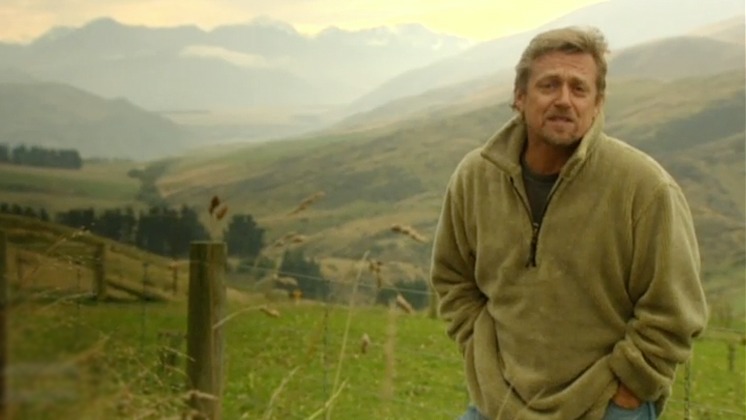
Here to Stay - The English
Television (Excerpts) – 2007
Actor Michael Hurst began life in northern England, then moved to Christchurch at age eight. In this Here to Stay episode he looks at the pervasive elements of Kiwi culture that derive from mother England — from roasts, rugby, tea and the Mini, to a language and legal system. In this excerpt Hurst fries up fish'n'chips with Ray McVinnie, stalks deer with Davey Hughes, and explores how class ideals travelled south to Mt Peel and Christ's College ... A chorus of Kiwis, including ex-All Blacks' captain David Kirk and historian Jock Phillips, ponder the influence.
We’ve [New Zealanders] got a sort of tolerance to other other people — as long as they accepted the superiority of English values.– Historian Jock Phillips
Key Cast & Crew
See all 13 credits





Acknowledgements
Made with funding from NZ On Air
Music
Music by Mana Music, Extreme Music, Woodcut Productions
Categories
If you liked this, you might also like...
Here to Stay
Here to Stay uses New Zealand personalities...
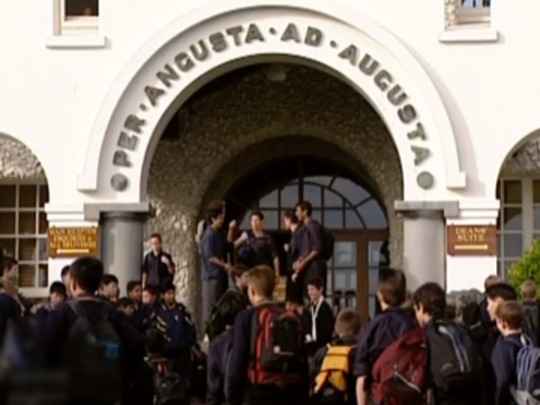
Grammar Boys
A doco on a school with many English-derived traditions
Heroes - First Episode
Early TV dramatic role for Michael Hurst
Goodbye Pork Pie
Film features that great English import the mini
Permanent Wave
A short film about New Zealanders in England
Journey for Three
A dramatised documentary following three postwar Pommy...
Canterbury is a Hundred
An NFU film celebrating Canterbury’s centenary
The Game of Our Lives - Home and Away
Historian Jock Phillips also offers commentary in this...
New Country - New People
A Sam Neill-directed doco on NZ settlement
The Day Morris Left
A short film by director Dan Salmon

One Network News - Paul Holmes Meets Margaret Thatcher
Paul Holmes interviews Margaret Thatcher
An Immigrant Nation
An earlier series about immigrants to New Zealand

Red Blooded - Lion Red
Michael Hurst in a more hyperactive mood
The Life and Times of Te Tutu - Series One
Another look at English settlers in NZ
Highwater
Michael Hurst stars in this teleplay
Polynesian Panthers
Also directed by Dan Salmon
The Irish Connection
Gary McCormick explores his Irish identity
Colonial House - First Episode
More English settlers in Canterbury
The London Connection
Documentary on Kiwis in the United Kingdom
The Hard Stuff With Nigel Latta - The New New Zealand
Nigel Latta discusses immigration in Aotearoa

The Life and Times of Te Tutu - Series Two
A more comical look at English settlers in New Zealand
The New Old - Full Series
Wallace Chapman explores Aotearoa history to examine the...
Our Big Blue Backyard - White Island
Another documentary presented by Michael Hurst