Registering with NZ On Screen means you can:
We won't share your data with anyone (see our Privacy Policy) and we won't spam you. It's that simple.
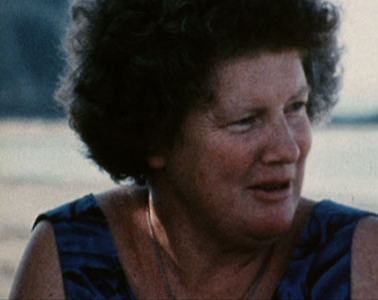
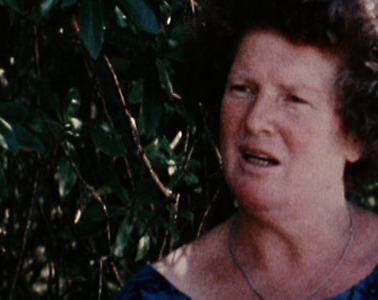
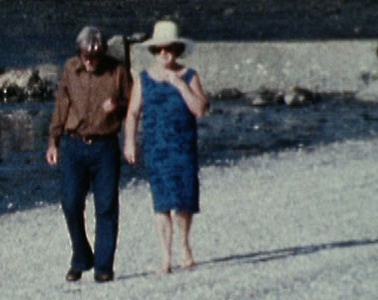
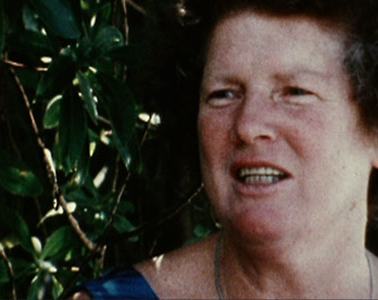
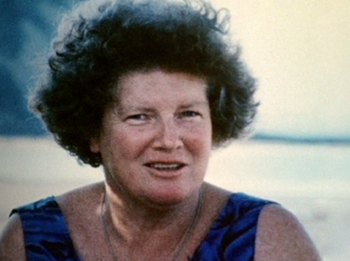
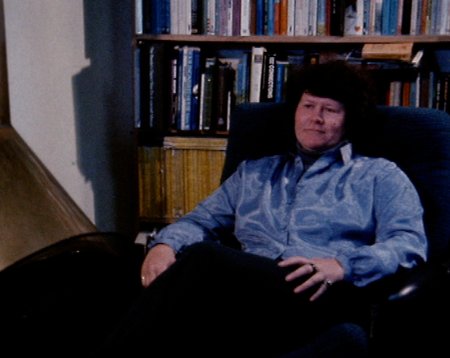
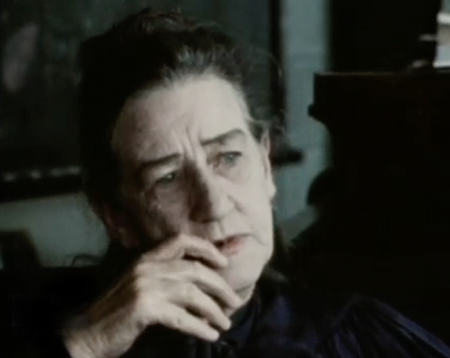
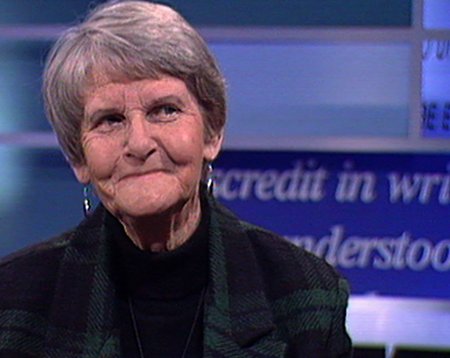
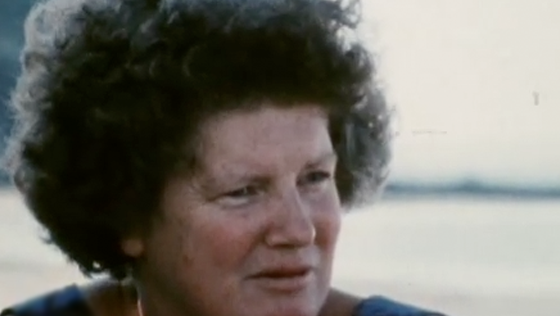
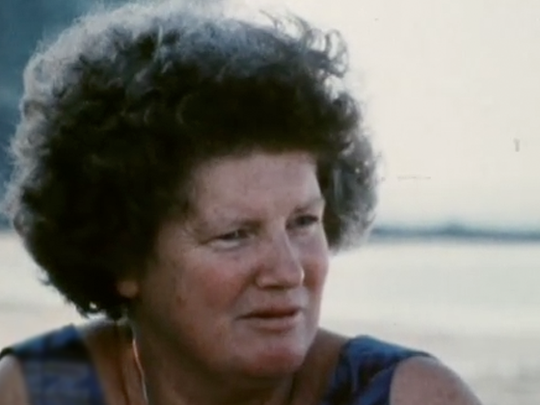
This fresh, unhurried film is drawn from a substantial interview with renowned writer Janet Frame by Michael Noonan; filmed largely at at Frame’s then-home on Whangaparoa Peninsula. It was part of the Three New Zealanders series made to commemorate the 1975 International Year of Women — an early John Barnett production. The rare footage of Frame — here aged 50 — presents a confident writer in her prime, and negates any stereotypes about Frame's inarticulacy or shyness. Note: the segments from the programme dramatising some of Frame’s work are not included here.
Three New Zealanders: Janet Frame is Endeavour Television's first documentary in the series of three made to mark United Nation's International Women's Year in 1975 - the other two are about ...
Please keep your comments relevant to this title. Email addresses are never displayed, but they are required to confirm your comments.

When you read her three fascinating autobiographical works (To the Is-land, An Angle at my Table and The Envoy from Mirror City), you realize just what a backward little country New Zealand used to be, and, thanks to people like Janet Frame, how far it has thankfully come. And to think she had to "escape" from the country in order to avoid having a lobotomy, just because she 'moved to the beat of her own drum'; look at what we almost lost. Here's to the straight-laced, conservative, bad old days...good riddance!

quite a few years ago I first heard of author J. frame by watching "Angel at my Table" I then purchased her book "Owls do Cry" her life growing up as a child outside of her family was full of sadness, and I know alone,you tend to write ,and deep feelings make excellent writers. I wish I had the chance to have been able to write to her when she was still with us to tell her that I loved her short stories ,and her sensitivity I believe made her who she became in spite of all she had endured.

A VICTIM OF CRUELTY AND JUDGEMENT., TODAY SHE WOULD BE CONSIDERED THE VICTIM OF BULLYING. TO FEEL SO ISOLATED AT A TIME WHEN DEATH WAS ALL AROUND HER AND THERE WAS NO ONE TO EXPRESS HER SORROW AND PAIN TO MUST HAVE DRIVEN THE THERMOMETER OF ANGUISH TO A HIGH TEMPERATURE OF DEPRESSION IN HER YOUNG MIND. SHE IS A TRUE NEW ZEALAND HERO FOR ALL THE GIRLS WHO ARE LONELY,SHY AND UNPOPULAR. THIS EXAMPLE OF BRAVERY AND PERSISTENCE SERVES THE TRUTHS OF THE FACTS THAT THE WAY YOU FEEL OR THE WAY YOU ARE PERCEIVED BY OTHERS DOES NOT MATTER. JANE SAW HERSELF A POET,DID THE WORK AND ALTHOUGH SHE WAS THE MOST UNLIKELY WOMAN TO ACHIEVE TRUE .LITERARY STARDOM,SHE PREVAILED AGAINST THE ODDS. JUST HAVE A LOVE AND RESPECT FOR HER THAT IS TRULY SINCERE. BLESS YOU,JANE

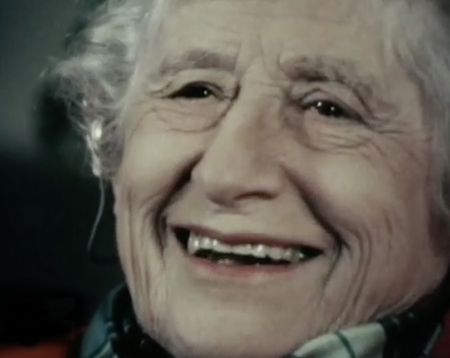
What an extraordinary woman she was. Almost pained in her expression of ideas, and yet so easily winging into laughter.
Endeavour Films
You need to be logged in to add to your favourites.
Television, 1978 (Full Length)
A documentary from this series about author Syliva Ashton-Warner
Television, 1977 (Full Length)
A documentary from this series about author Ngaio Marsh
Television, 1975 (Full Length Episode)
Isaac and Noonan were co-creators of soap opera Close To Home
Television, 2004 (Excerpts)
A documentary about author Janet Frame based on the biography by Michael King
Television, 1977 (Full Length Episode)
An historical drama series on Governor Grey created by Michael Noonan and directed by Tony Isaac
Television, 1986 (Full Length)
Another of New Zealand's great writers
David Cade | website
Posted at 09.41PM - 09.06.2012
Yes, there were things about life in New Zealand in the past which were undesirable and which have been improved, but let us not dismiss our past as having been entirely straight-laced, conservative, or bad.
I think it's important not to dismiss the New Zealand of old as having been "a backward little country". One of the most wonderful things about Frame's writing is that it returns us to days when New Zealand life was more about dignity, respect, and innocence than it is, unfortunately, today. This struck me only this morning after I read yet another evocative short story in Frame's collection entitled "You Are Now Entering the Human Heart". The tales in this collection detail those earlier days of New Zealand magnificently - although they were certainly not days of "magnificence" in the European sense. But they were truly days of wonderful simplicity and innocence. I find the same splendid old New Zealand in Mansfield's remembrances and, especially, in the first two parts of Maurice Gee's very fine "Plumb Trilogy".