You are here:

Synopsis

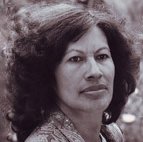
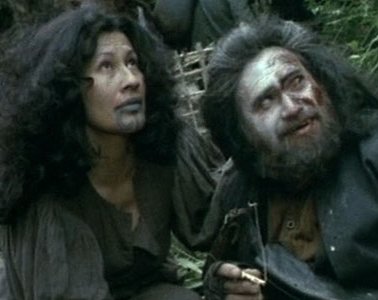
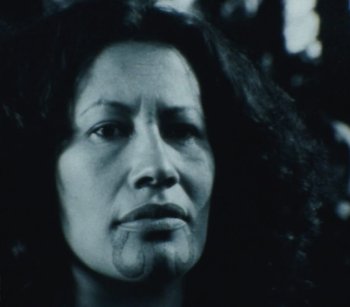
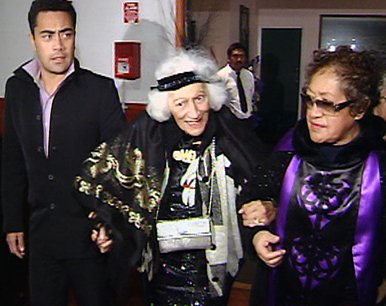
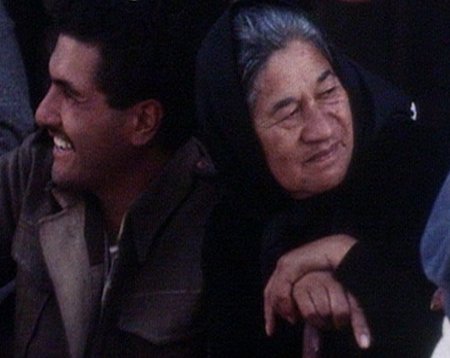
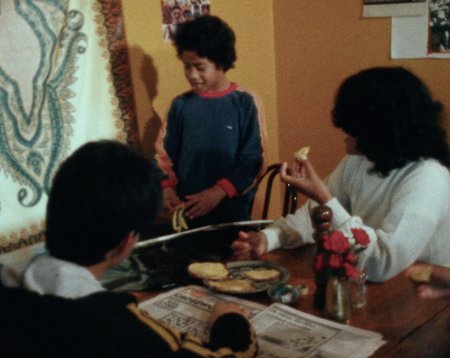
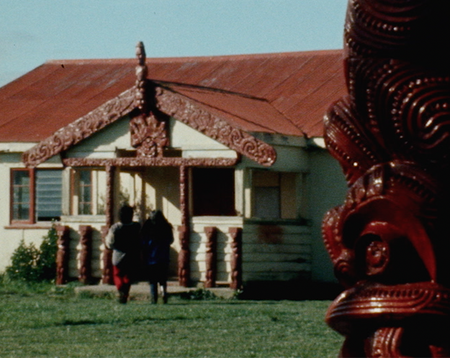
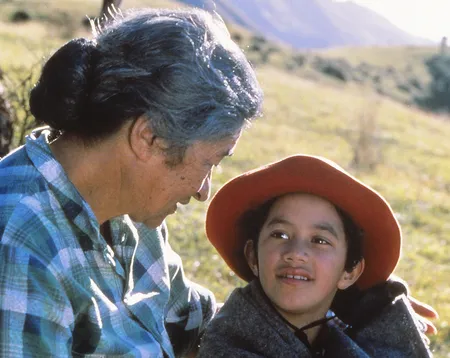
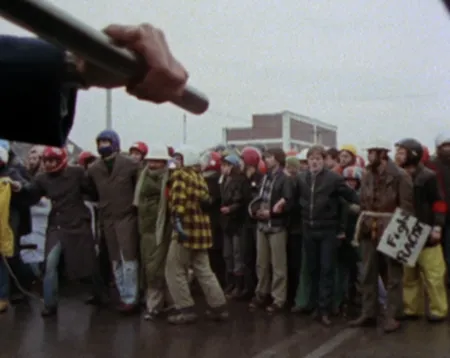
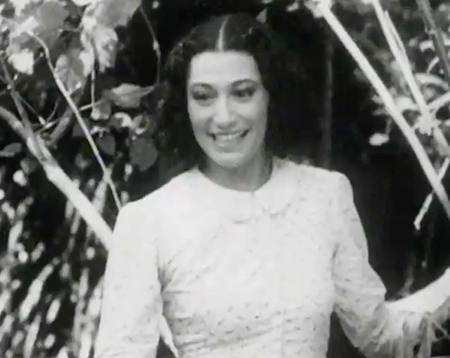
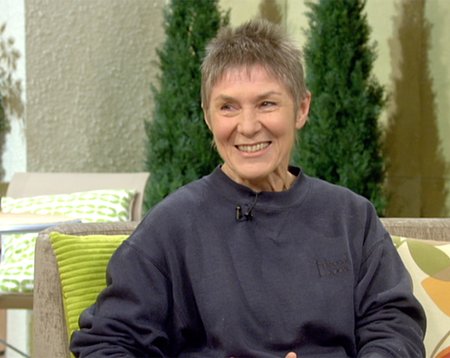
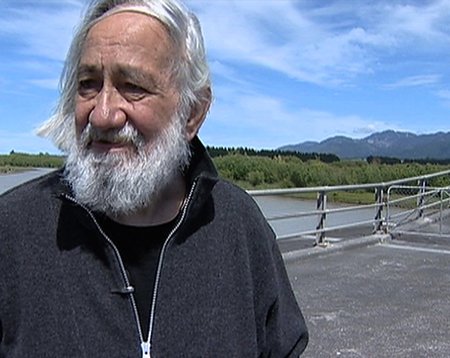
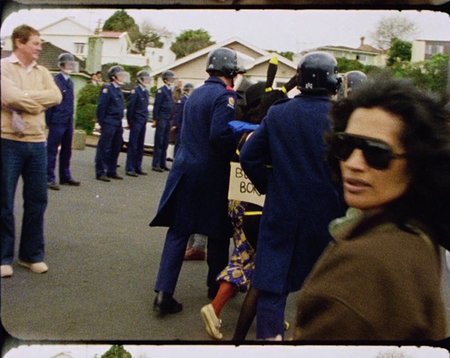
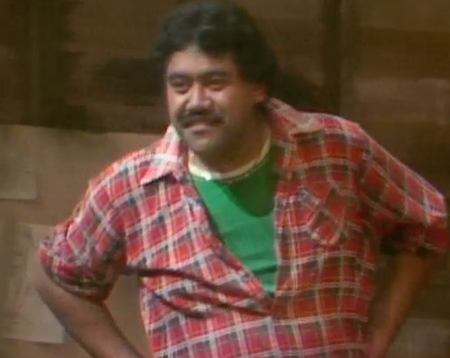
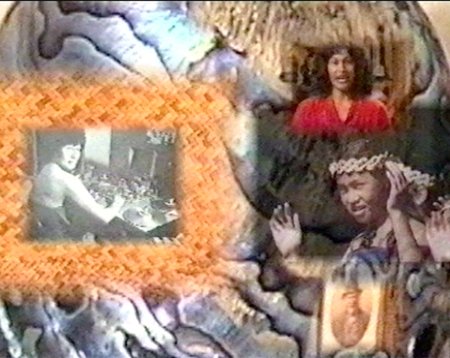
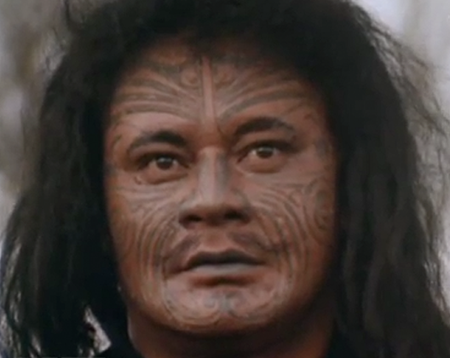
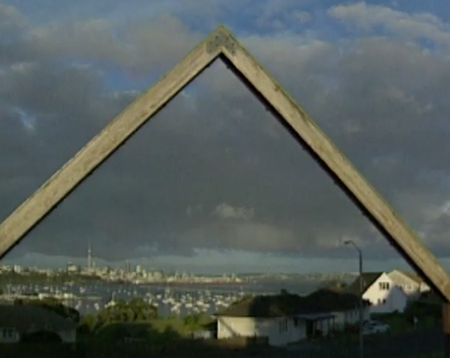
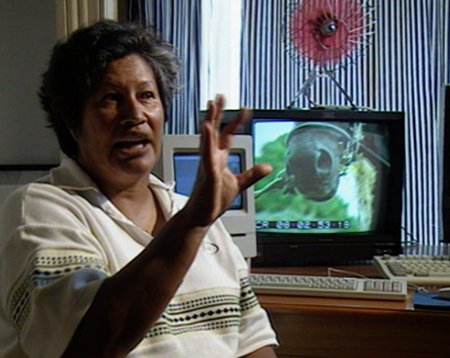
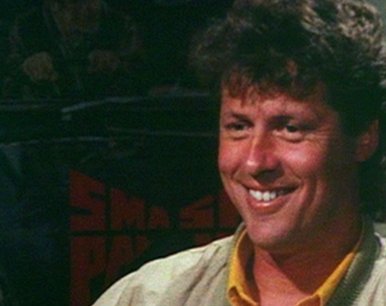
Episode 17, series five of Kete Aronui, a documentary series featuring Aotearoa's artists that screened on Maori Television, follows film pioneer Merata Mita. Mita produced vital work anchored in culture and community. This extract concentrates on the occupation of Bastion Point - Mita and protest leader Joe Hawke talk of how 25 May 1978 shaped her concerns as a filmmaker: "It was life, it was a transformation". Includes footage from Patu, Mauri, Bastion Point: Day 507, and Utu, as well as covering Mita's work running a lab for indigenous filmmakers.

Credits (12)

 Jane Reeves
 Chelsea Winstanley
 Reikura Kahi

Post a comment

   
I am:
 

Please keep your comments relevant to this title. Email addresses are never displayed, but they are required to confirm your comments.

Comments

No one has commented yet. Go on, be the first!

Produced by

Source

Favourite:

You need to be logged in to add to your favourites.

Related Titles (6)

 Mauri

Film, 1988 (Excerpts)

Merata Mita's debut feature, the first to be written and directed by a Māori woman

 Utu

Film, 1983 (Trailer and Excerpts)

Merata Mita plays the character Matu

 Patu!

Film, 1983 (Full Length)

Iconic documentary about the Springbok tour protests

 Koha - Nga Pikitia Māori

Television, 1987 (Full Length)

Doco about the Māori film industry featuring Mita

 Mataku - The Fishing Trip (Te Hi Ika)

Television, 2002 (Excerpts)

Also executive produced by Rhonda Kite

 Kaleidoscope - NZ Cinema, The Past Decade

Television, 1987 (Full Length)

Merata Mita features in this survey of NZ film

Quotes

It was interesting because the whole idea of it isn't like getting the scripts in order, it’s about nurturing and helping the screenwriter and the director to reach the point where they feel confident about going out and directing the film that they've written. 
The huge emotional impact of that day just stopped me in my tracks. I thought this is the most important part of this history … it's happening here while we can record it and be witness to it, and hundreds of other people would be witness to it. And it won't just be something that children will read in history books, it's something they will be able to see on the screen. 
It was an important record, it was an important statement that was made.