Registering with NZ On Screen means you can:
We won't share your data with anyone (see our Privacy Policy) and we won't spam you. It's that simple.
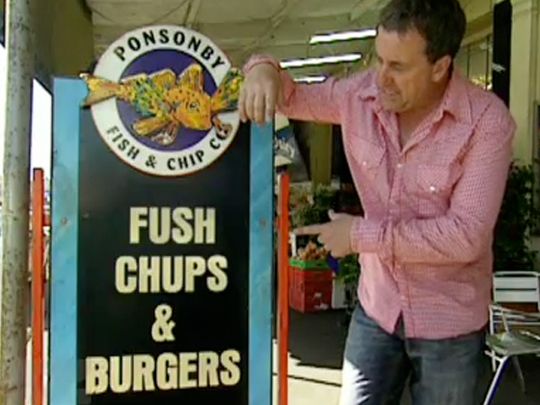
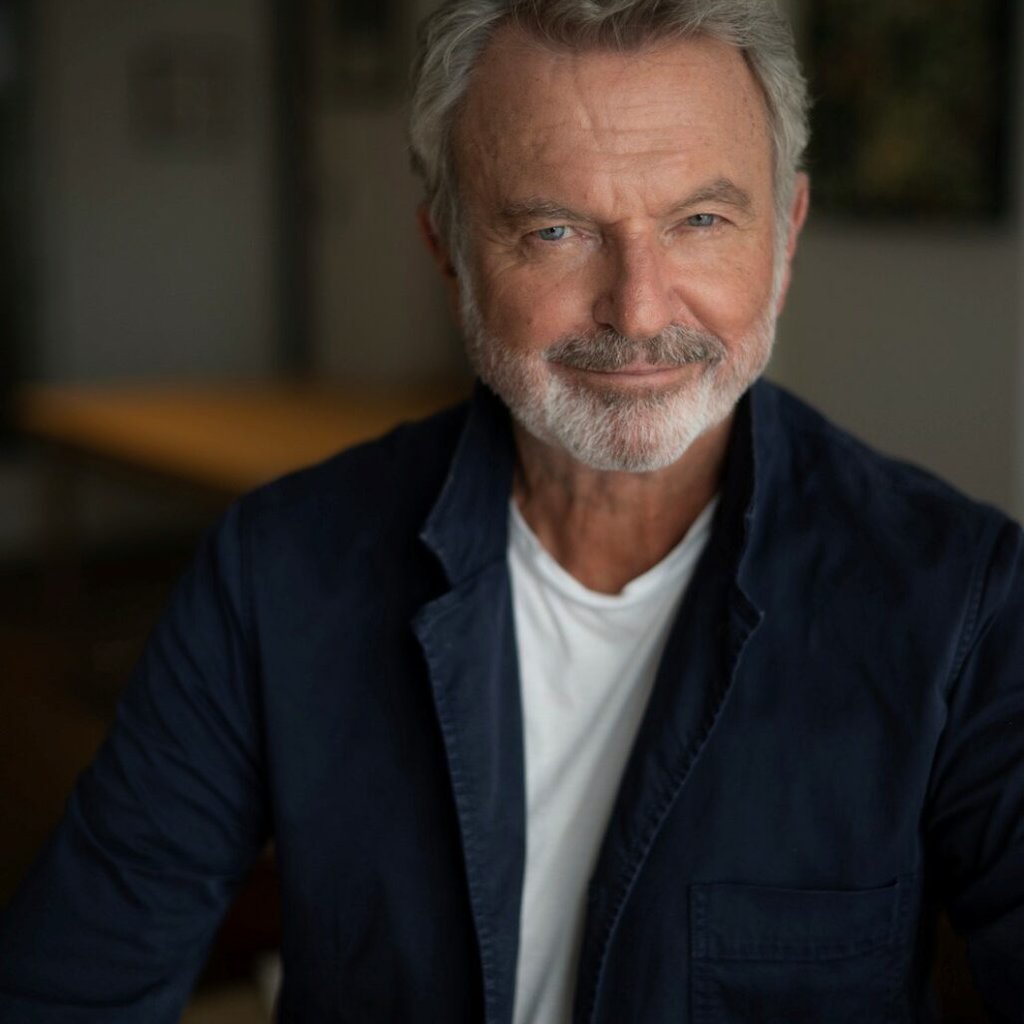
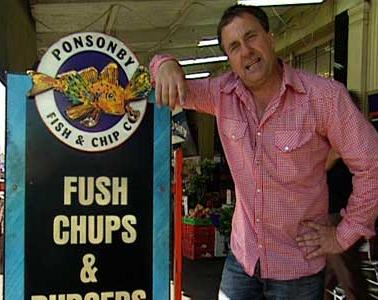
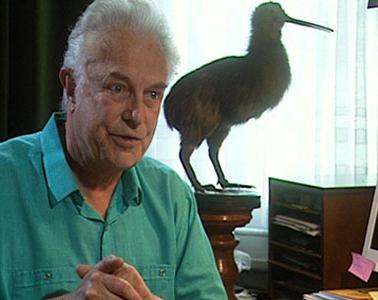
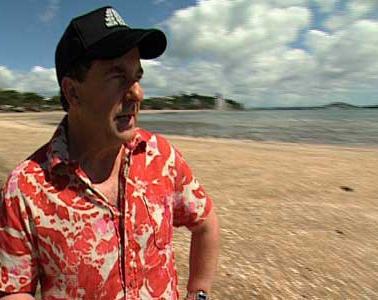
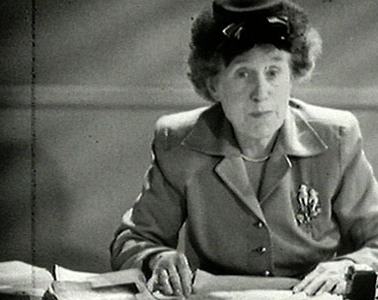
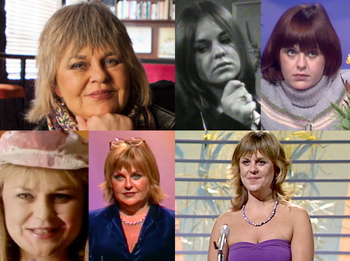
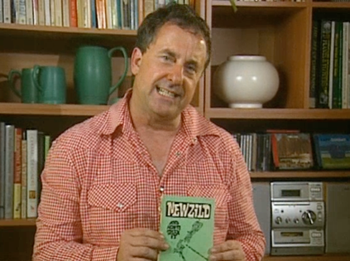
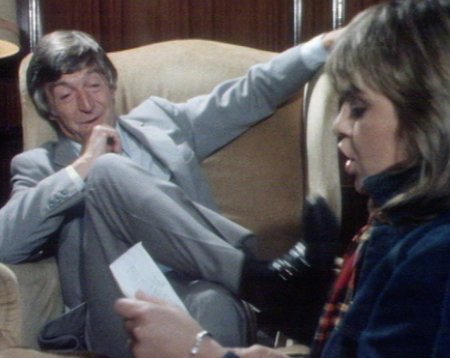
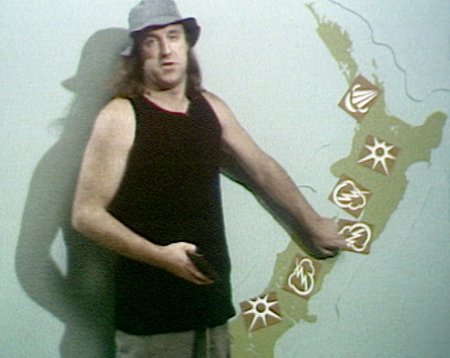
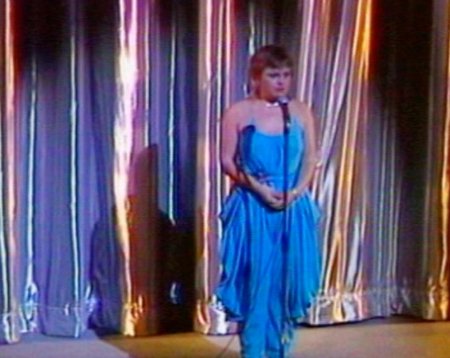
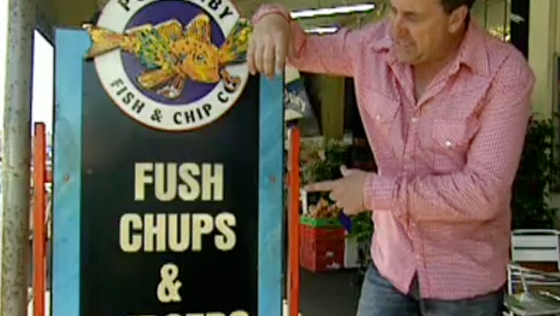
Oft-derided across the dutch for its vowel-mangling pronunciation (sex fush'n'chups anyone?) and too fast-paced for tourists and Elton John to understand, is New Zealand's unique accent. Presented by Jim Mora, New Zild follows the evolution of New Zealand English, from the "colonial twang" to Billy T. Linguist Elizabeth Gordon explains the infamous HRT (High Rising Terminal) ending our sentences, and Mora interprets such phrases as 'air gun' (how are you going?). Features Lynn of Tawa in an accent face-off with Sam Neill and Judy Bailey.

I've always been a keen observer of the different ways in which people speak the English language. So it was with enthusiasm that I tuned in to watch the Emmy Award-winning 1986 TV Series The Story of English. It was fascinating ...
Please keep your comments relevant to this title. Email addresses are never displayed, but they are required to confirm your comments.
@Nan: you can watch the full-length doco right here! Just keep watching once the first clip has ended (it's in five parts). Unjoy eh!

Where can we watch the full-length documentary?

It's very interesting and great to have a programme on New Zealand speech. I wonder why though certain examples are highlighted as being the way people speak when some of the examples used don't represent how anyone ever has spoken. Overseas people might hear the words 'fush and chups', as the well worn example of how New Zealanders supposedly sound but I have never heard it like that. That's not how it sounds to a New Zealand ear. If we speak like that it sounds odd. It isn't accurate. It's not 'ush'. There has never been 'ush' in 'ish'. I'm not sure how to write it but it's definitely not 'ush'. It is true though that the Australians are merely 'eesh'
In her stage act, Lynn of Tawa only ever sounds like Lynn of Tawa. There's nothing wrong with that as a stage act, but it doesn't sound like anyone else. It's affected. So, if you are using that stage act mode of speech to supposedly represent how others are, it doesn't wash. I think that if your trying to document sounds as a social reference point that it would be great just to hit the road with a microphone and to get people talking amongst themselves in the pub. In the deep south there's a lot of regional variation. It would be really interesting to show just how different people are with that. I remember attending a boarding school when I was growing up when a teenager and people came in from all of Otago and Southland and mainly from the country and every person was from somewhere slightly different and everyone sounded slightly different to my ear. Some people had very strong distinctive accents. I think getting people to speak as they do in their home surrounds would be great. It would make great television and would be popular. I think the TV show is great but think that there is a lot in New Zealand's depth of variation that is hidden and that when in a city it's possible to hear a huge amount of indigenous variation too, and especially amongst people of different parts of a city and of different ages. I've noticed that in Dunedin. I know too that when people from different parts of New Zealand do get on TV it becomes quite an eye opener. We often only get the same few accents on TV and yet we have a lot more rich variety than covered. Recording New Zealanders more would be fantastic. Thanks too for all of this. Having an online archive that people can contribute to - a 'peoples' archive' of New Zealand speech could really document things well and be something on-going and add to all that has been collected in the past.

hello paula runnals (:
i must write a homework of new zealand english.
and also new zealand english compared to british/american english.
but in the internet there are not enough information about that topic.
pleas can someone help me? (:

Bright Spark Television

Bright Spark Television
You need to be logged in to add to your favourites.
Television, 2004 (Full Length Episode)
A series featuring contemporary Kiwi vernacular
Film, 1977 (Trailer and Excerpts)
Starring Sam Neill, whose proper pronunciation features in New Zild
Television, 1994 (Excerpts)
Southlanders roll their Rs in this Heartland programme
Television, 1994 (Full Length)
Also features Lyn of Tawa
Television, 1999 (Full Length)
A celebrated NZ example of the evolution of a word
Television, 2003 (Full Length Episode)
More about New Zealand speech patterns
Vicky Teinaki
Posted at 12.16PM - 03.04.2013
A nice extension for this is the British Library accents soundmap, compiled in 2010 from people around the world saying the same words and/or short passage of text. http://sounds.bl.uk/Sound-Maps/Your-Accents