Registering with NZ On Screen means you can:
We won't share your data with anyone (see our Privacy Policy) and we won't spam you. It's that simple.
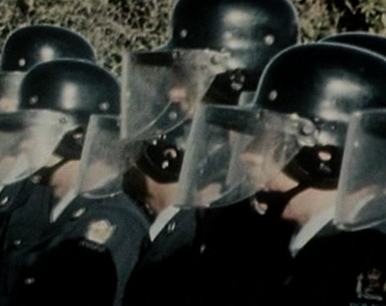
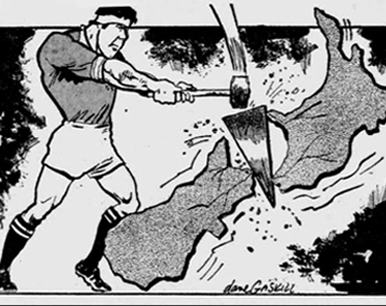
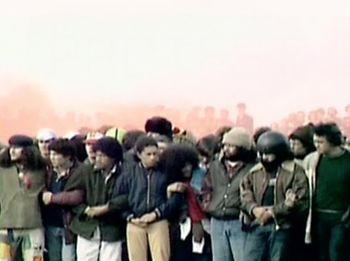
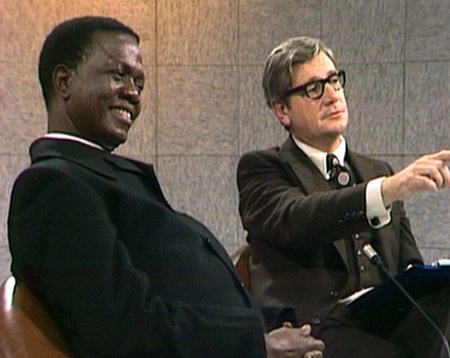
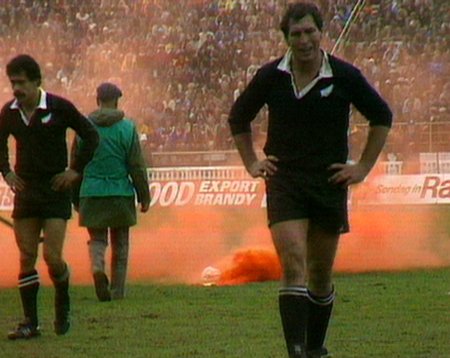
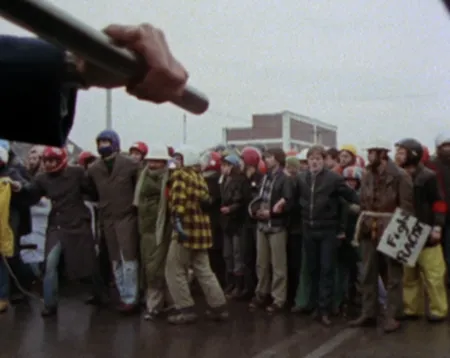
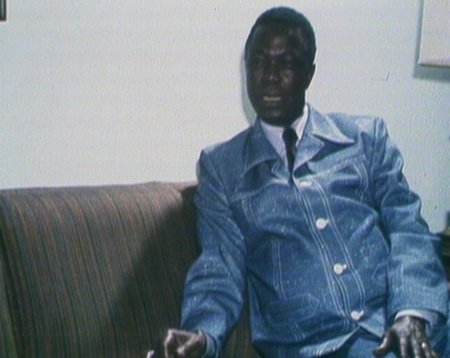
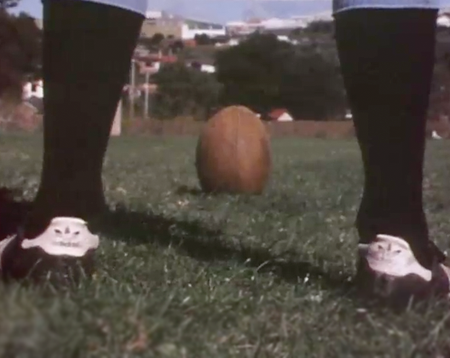
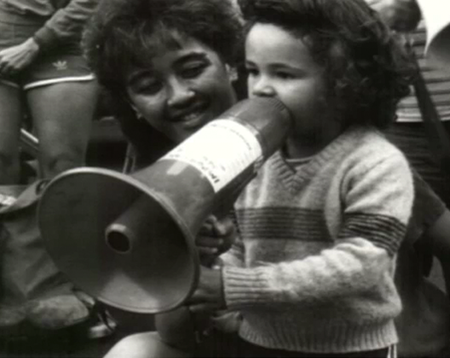
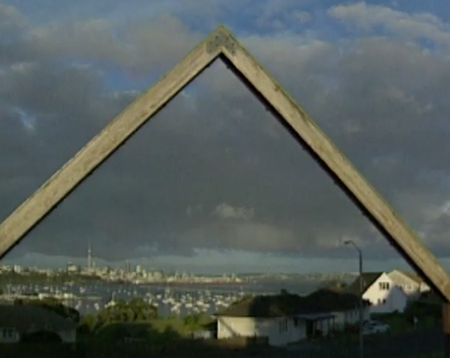
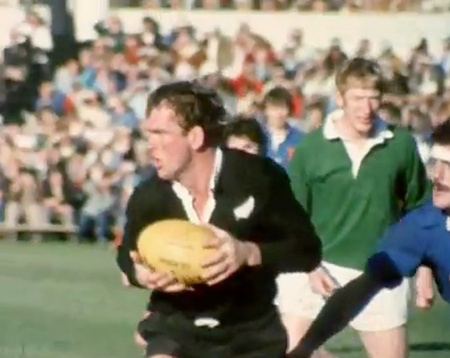
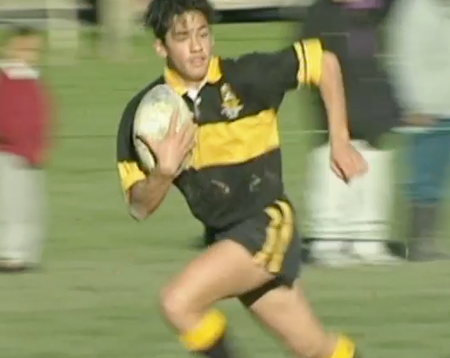
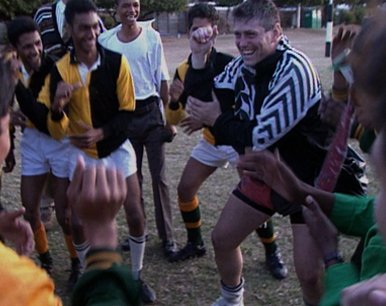
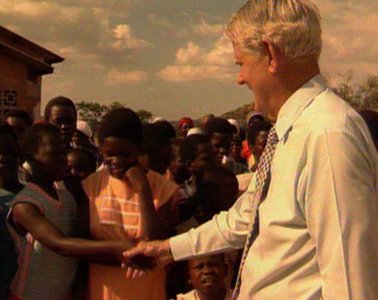
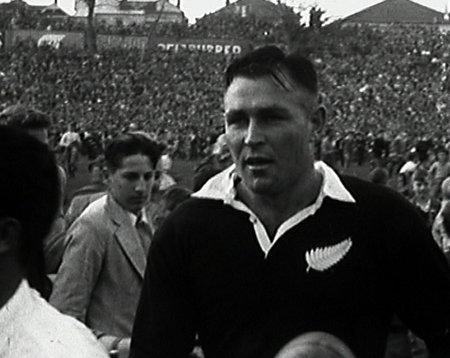
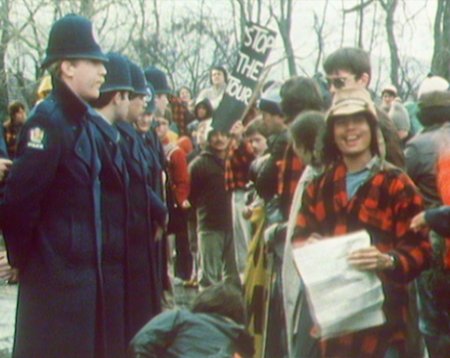
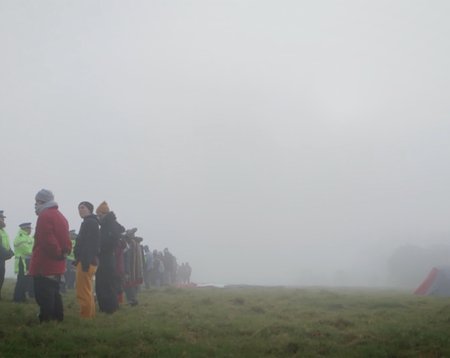
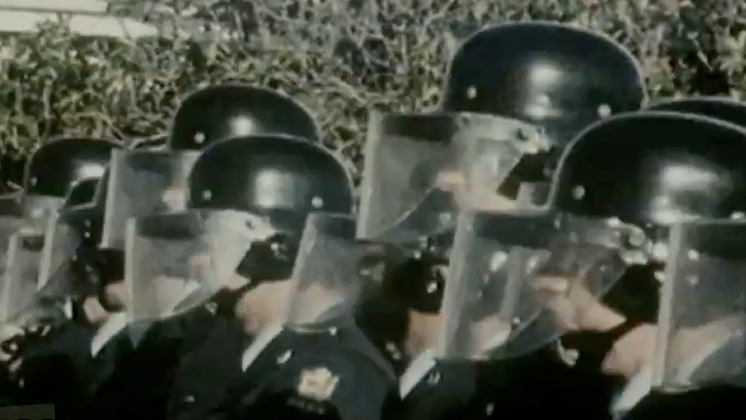
If the Springbok rugby tour of New Zealand in 1981 had been halted from the outset, the impact on the hearts and minds of South Africans would not have been as profound. The original point of difference of this Leanne Pooley-directed film is to show how events in NZ (captured in Merata Mita's documentary Patu!) played out in South Africa; how the tour protests energized blacks, and shamed whites, and provoked overdue democratic change. Archbishop Desmond Tutu: "You really can't even compute its value, it said the world has not forgotten us, we are not alone."

When Nigeria (and 24 other African countries) boycotted the 1978 Commonwealth Games in protest at New Zealand's sporting links with Apartheid-era South Africa, critics loudly proclaimed that sport and politics should not mix. The Government of New ...
Please keep your comments relevant to this title. Email addresses are never displayed, but they are required to confirm your comments.

What about apartheid in Israel and Palestine? Where do New Zealanders stand on this? Is it because the Israelis dont play rugby?!!!
This a film which captures the courage of ordinary New Zealanders. 30 years on you can also make a difference to the apartheid in Israel and for the Palestinians!
Thanks Leanne for allowing this fantastic film to be aired in this way. I have told my Year 12 students to check it out in order to help them with one of our themes for this year which is racism and how it becomes a part of the fabric of communities through misunderstanding and misinterpretation. Not only that, I enjoyed watching this film as well as Merata Mita's Patu because, like many others, I was involved in these protests and actually made it to the fence at Athletic park during the protest against the 2nd (?) test there - the same park my father once played against the Springboks as a Wellington Universities loose forward and won! I was 21 at the time and a good friend of my sister's was one of the HART organisers. I remember her bringing a black South African man to our house in Lower Hutt (it may have been Andrew Molotsane - I'm not sure?) and that my father was not very happy about that! He always said we had to play against the Boks because they were such terrible cheats and we just had to 'beat the bastards!' But he did come around in the end, realising that the tour was wrong. I was bashed with a long baton by a very big fat cop that day in Rintoul Street even though I was just walking past him and off the property we had 'stormed' as a part of 'Brown Squad' - the so-called kamikaze squad of protesters who had to run down the street and through the properties that backed onto the park. Being bashed like that really made me wake up to the fact that this struggle was a real and legitimate one. But watching these two films makes me aware of just how naive and ignorant of the deeper reasons for this movement I was back then.

I'll never forget being called a nigger lover for opposing the tour. Funny thing is, you can't find anyone who was pro tour these days.

I was 19 and went on all but 3 of the Wellington marches. This far down the years I have no regrets. Meeting Tutu was like meeting Martin Luther King.
You need to be logged in to add to your favourites.
Television, 2007 (Excerpts)
This documentary explores the 1970s/80s protest movement through six key activists and their children
Television, 1977 (Full Length)
This documentary examines some of the issues behind the Bastion Point protest that polarised a nation.
Television, 1996 (Full Length Episode)
A series looking at NZ social history through rugby
2007 Qantas Television Awards
Nominated for Best Popular Documentary
2007 Air New Zealand Screen Awards
Nominated for Best Documentary and Editing (Tim Woodhouse)
Morrissey Breen
Posted at 07.03PM - 21.12.2012
Don, your claim that "you can't find anyone who was pro tour these days" is not correct. John Key was pro-tour, and so were Gerry Brownlee, Jim Bolger and the rest of the National Party. The most rabidly pro-tour was Michael Laws, who in 1981 was a virulent presence on the Otago campus.