00:00
/
00:00
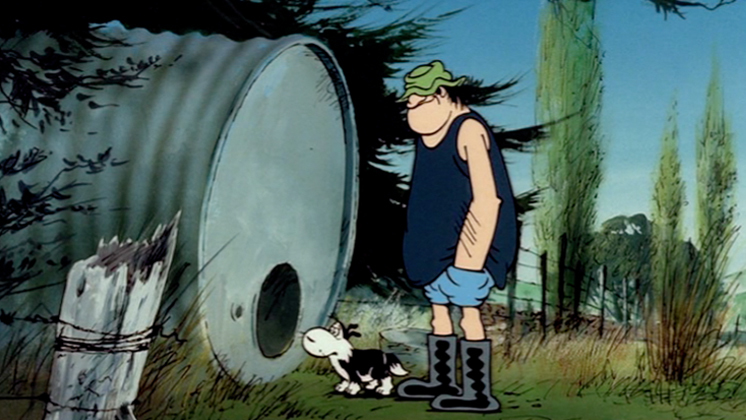
Footrot Flats - The Dog's Tale
Film (Trailer and Excerpts) – 1986
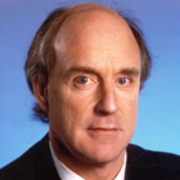
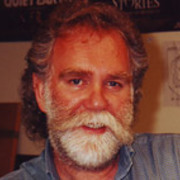
Animated movie Footrot Flats - The Dog's Tail Tale became the most successful Kiwi release of the 1980s. It also managed to win over viewers in Australia (where the animation work was handled). The adaptation of Murray Ball's beloved comic strip brought his beloved cast of animals to earthy life, alongside farmer Wal — voiced by John Clarke. Peter Rowley plays Dog. The opening clip served double duty as both movie trailer and music video for Dave Dobbyn's hook-laden 'Slice of Heaven'. It proved to be a key weapon in the film's Australian success. Tony Hiles writes about the movie's creation here.
...it's a Trans-Tasman thing. Although all the actors and all the music and all the direction and that sort of thing comes from New Zealand, the animation itself was done in Australia.– Footrot Flats director Murray Ball, in the making of documentary
Key Cast & Crew
See all 34 credits



Produced by
Magpie Productions
Acknowledgements
Made in association with Independent Newspapers Ltd, with assistance from the NZ Film Commission
Music
Closing credits song 'Slice of Heaven' written by Dave Dobbyn; performed by Dave Dobbyn, Herbs & Bruce Lynch
'You Oughta Be in Love' written by Dave Dobbyn; performed by Dave Dobbyn, Bruce Lynch & Ardijah
More Information
-
Interview with co-writer Tom Scott, The Canberra Times (via Trove website), April 1987
-
Obituary of Footrot Flats creator Murray Ball, The Guardian, March 2017
-
Dave Dobbyn on composing the Footrot Flats soundtrack, Rip It Up, January 1987
-
Dave Dobbyn on composing song 'Slice of Heaven', The Dominion Post, September 2012
-
Interview with producer John Barnett, Nga Taonga, November 2023
If you liked this, you might also like...
The Sheep Collection
New Zealand is said to have earned its prosperity "off...
NZ Book Collection
This collection features screen adaptations from New...
The Animation Collection
From talking chickens to dancing Cossacks, feast on this...
Best of the 80s
This 1980s collection showcases the screen icons from the...
The Sir Dave Dobbyn Collection
A collection celebrating the work of legendary musician...
Cats and Dogs
A collection of screen cats and dogs. The purrfect canine...
John Clarke - The Collection
A collection celebrating the outstanding career of...
The NZ Film Commission turns 40
A collection celebrating 40 years of the NZ Film...
You Oughta Be in Love
Hit song from the Footrot Flats soundtrack
The Making of Footrot Flats - The Dog's Tale
The 'making of' documentary for the film
From Len Lye to Gollum - New Zealand Animators
Footrot Flats features in clip three
Dave Dobbyn - Overnight Success
Dave Dobbyn mentions 'Slice of Heaven' 18 minutes in
Homegrown Profiles: Dave Dobbyn
Interview with Footrot Flat's composer Dave Dobbyn
Goodnight Kiwi
Another animated pop culture icon
Dogstar
Documentary on Kiwi farmers and their dogs
Cartoonists Inc
Documentary about New Zealand cartoonists
The Frog, the Dog and the Devil
A hand-drawn animated film featuring a dog
Bryan and Bobby - SNAP
Another of NZ's favourite canines
Came a Hot Friday
Billy T James in another Kiwi classic
Sensitive to a Smile
Another classic Herbs song
Hairy Maclary from Donaldson's Dairy
Another iconic Kiwi dog
A Dog's Show - 1981 Final
The classic sheep dog sports show
Bitch
Directed by Fiona Samuel (voice of Pongo & Cheeky Hobson)
The Best of The Billy T James Collection
A collection of classic skits from the Billy T James Show
Lynn of Tawa - In Search of the Great New Zealand Male
Screenwriter Tom Scott features in this
Gliding On - Mastermind (Series Four, Episode Five)
More 1980s comedy
Fraser - John Clarke interview
Ian Fraser interviews John Clarke
Gallery - Fred Dagg and company
Earliest comic sketches featuring Fred Dagg
Separation City
Another script from Tom Scott
bro'Town - Honky the Wonder Horse
Another iconic Kiwi animation
Men Shouldn't Sing
A live action musical
Extraordinary Kiwis - Colin Meads
Another celebrated NZ man of the land
Outdoor Dogs
Real working dogs in the 1950s
Radiradirah - First Episode
Features more animated comedy
Mosley
Another animated feature involving Kiwi talent
Bloopers - Animals
Features another famous Kiwi dog, Dexter
Dog Squad - First Episode
A show following working dogs
Face to Face with Kim Hill - John Clarke
Interview with the man who voices Wal

Pipi Mā - Series Three
An animated series in te reo Māori for children

Tākaro Tribe - Series 5, Episode 18
An animated series for children in te reo Māori
Godzone Sheep
Footrot Flats features in this documentary