Shortland Street - First Episode
Television (Full Length Episode) – 1992
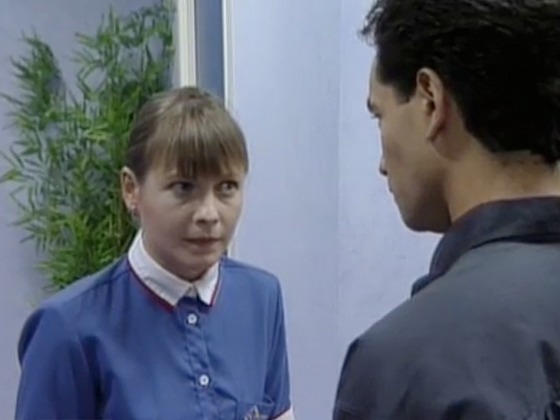
The first episode of Shortland Street starts with a pregnant woman being rushed to the clinic after an accident. But the doctors are all missing. Visitor Hone Ropata (Temuera Morrison), who is soon to join the team at the clinic, makes the call to deliver the baby. Head nurse Carrie Burton (Lisa Crittenden) is not amused, and pronounces that Dr Ropata is no longer in Guatemala (see opening clip, if you can't wait for this legendary moment). This debut episode of the five night a week soap aired on 25 May 1992. It would go on to become New Zealand's longest-running TV drama. Read more about the show's birth here.
I tried to reason with him, but he just bulldozed over me and went ahead. You know the last thing I need is any more scandal.– Chief Nurse Carrie Burton (Lisa Crittenden) describes Doctor Ropata's insistence on delivering a baby, to clinic boss Michael McKenna (Paul Gittins)
Key Cast & Crew
See all 48 credits




Acknowledgements
Made with funding from NZ On Air
Produced by South Pacific Pictures in association with Grundy Television
Music
Theme song composed by Graham Bollard and performed by Tina Cross
Categories
If you liked this, you might also like...

Shortland Street
Shortland Street is a fast-paced serial drama...
Best of the 90s
This collection celebrates the best of 1990s television,...
Legendary NZ TV Moments
This collection celebrates the legendary moments that...
The Most Legendary NZ TV Moments
Where were you when Thingee's eye popped out? This...
The Temuera Morrison Collection
From Rangi's Catch to Once Were Warriors: a collection...
Top 40 NZ TV Classics
This Kiwi TV collection brings together 40 local TV...
Classic TV Catchphrases
Classic moments where a few choice words become the...

NZ On Air - 30th Birthday Collection
In celebration of the 30th anniversary of funding...
60 TV Moments: 1960 - 2020
60 TV moments from across the decades, celebrating 60...

The Shortland Street Collection
A celebration of long-running soap Shortland Street,...
Shortland Street - Highlights from the first 15 years
Highlights from the first 15 years
Shortland Street: Inside an Icon (25th anniversary)
Documentary looking back on the show
Bloopers - Shortland Street
Shortland Street bloopers
Shortland Street - The birth of Carrie's triplets
Head nurse Carrie Burton gives birth to triplets
Keeping Up the Love Thing
Nurse Carrie Burton sings
Happy Hour - First Episode
Temuera Morrison revisits Dr Ropata
Blind Date - Series One, Episode Three
Suzy Clarkson is one of the presenters of this show
Black Bitch
More of "Not in Guatemala" actor Lisa Crittenden
NZ On Air 30th Birthday - Shortland Street
John Leigh talks about the early days of Shortland Street
Close to Home - First Episode
First episode of New Zealand's first soap
Once Were Warriors
Doctor Ropata went on to act in this classic film
Shortland Street - Is It You Or Is It Me (30th anniversary song)
Shortland Street's theme music reimagined
Shortland Street - 1995 Christmas cliffhanger (truck crash)
Another classic Shorty episode
Emergency - First Episode
A factual series set in an NZ hospital
Shortland Street - The Ferndale Strangler finale
Another iconic episode
Homeward Bound - First Episode
A less urban 90s soap
The Life and Times of Temuera Morrison - First Episode
A reality show following Tem Morrison
Highwater
Michael Galvin appears in this teleplay

Michael Galvin on meeting the triplets
Chris Warner gets a triple surprise
Shortland Street - Kirsty and Lionel's wedding
Another classic Shorty episode
Loose Enz - That Bread Should Be So Dear
Directed by Shortland St producer Caterina De Nave
You Make the Whole World Smile
Shortland Streeters sing
The Promise
A real NZ health system story
Shortland Street - Maia and Jay’s Civil Union
Another noteworthy Shortland Street episode
Shipwreck - The Tragedy of the Boyd
Presented by Paul Gittins (aka Michael McKenna)
A Going Concern (short clip)
A forgotten soap that began years before Shortland Street
Amy Street
A portrait of a Shortland St superfan
Shark in the Park - Diversions (Series Two, Episode Four)
Michael Galvin in an early role
Shortland Street - "Not Your Penis" Moment
A Shortland Street moment that went viral
Once Were Warriors - Where Are They Now?
Once Were Warriors cast twenty years on
Epitaph - Fire at the Coal Face
Paul Gittins presents a factual series about NZ history
Shortland Street - Tillie Potts' Birth
Another dramatic Shortland Street birth