00:00
/
00:00
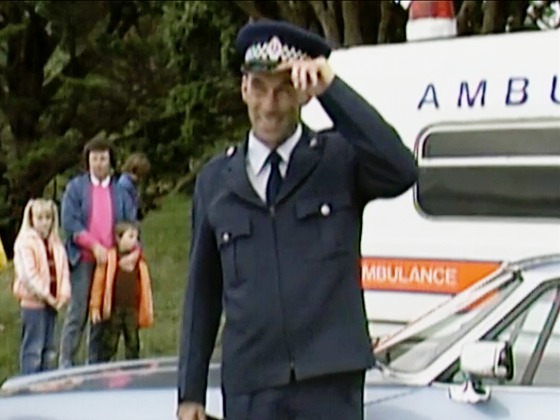
Gloss - Jim Hickey cameo
Television (Excerpts) – 1988
A perspective
"If you've got it, flaunt it; if you haven't, get it." That was TV reviewer Diana Wichtel's take on the ethos behind television series Gloss.
Gloss was launched in 1987 against the backdrop of a bull market, and America's Cup fervour. It was the 1980s, and New Zealand had swapped agriculture for aspirational living. We wanted to see ourselves as less bottom of the world, and more "here we come and we are sailing" (as the infamous Cup campaign song warbled).
Gloss was what the era demanded. Gloss producer Janice Finn was fresh from TV series Seekers. "When John [McRae, TVNZ's Head of Drama] suggested he was looking for another series, I knew what I'd like to make, something a bit like Dynasty, something about the 80s and what was happening in Auckland . . . wealth had changed and become very obvious. People were chucking money around and being very over-the-top in spending their dough."
The Gloss concept revolved around a wealthy family, the Redferns, and their lucrative high fashion magazine business. "At the time I used to read Rosemary McLeod, her acerbic wit was very amusing. So I rang Rosemary, asked her if she'd be interested and she wrote the format . . . having all the magazine background, of course, Rosemary was brilliant."
McLeod's magazine scenario combined with a production-designed sumptuousness that hadn't been seen before in Kiwi soaps. As much attention was paid to shoulder pads and hemlines as the storylines. Although contra deals meant that some of the characters were seen wearing local designers (Trelise Cooper for Ilona Rodgers' character, Jane Daniels for Kerry Smith), many of the clothes were crafted by Gloss costume designer Liz Mitchell.
Melodramatic plots took in conflict, catastrophe, marital crisis, affairs, rape, disease, accidents, kidnapping, and corruption. Writer James Griffin, who went on to Kiwi favourites Shortland Street and Outrageous Fortune, began his screenwriting career on the show.
Gloss featured memorably yuppie characters, not the least of them the bitchy but very smart magazine editor Maxine Redfern (Ilona Rodgers). The series also introduced viewers to future talent such as actor Simon Prast, playing Alistair Redfern, who went on to be a driving force in the Auckland arts scene, and newbie Lisa Chappell, as Chelsea Redfern, who would become a fixture on Australian TV drama McLeod's Daughters.
Other names appearing in the show were Peter Elliott (Rex), Miranda Harcourt (Gemma), Danielle Cormack (Tania), Temuera Morrison (Sean) Geeling Ng (Jasmine), Mark Ferguson (Giles) and in later seasons, Andy Anderson (as a talkshow host and ad agency boss), Craig Parker (Justin), Kevin Smith (Damien) and Davina Whitehouse (as an elderly horse breeder).
Gloss had a new sophistication and cultivated a flagrantly international flavour (particularly compared to earlier local TV dramas). It knew the difference between méthode champenoise and champagne.
"[Rosemary McLeod] thought up Maxine and Magda, two characters very close to her heart . . . and I wanted the rich family . . . Both of us wanted a comic aspect, a kind of satire on the times . . . It was very different to anything that had been done before because it was so frivolous. For the times it was bold and a bit in your face."
Kiwi viewers had seen American supersoaps Dallas and Dynasty. They understood that this local media and money show reflecting Rogernomics and the long lunch years of excess was both of the genre, and a send-up. The series largely screened after the bubble had burst in 1987, and the often cynical and unpolitically correct tone caught the mood. Gloss became event viewing, and some fans gathered together for Gloss parties to watch the latest Redfern antics.
During the Gloss era, the advent of more sophisticated ratings analysis changed TV programming completely. The new ability to break down ratings according to demographics revealed that Gloss was a hit with women and drew a cult following amongst young adults — a good result for advertisers.
Fifty-five 50-minute episodes of this TV2 flagship were made before the TVNZ drama department closed down, and it was decided to outsource productions.
Diana Wichtel calls Gloss a "glitter-soap", and as all things 80s enjoy a retro revival, Gloss is enjoying a shining return to the limelight.
"It's the gilt off the gingerbread
The icing on the cake
It's monuments and mirrorglass
The city's on the make
Devil take the hindmost
So no one counts the cost
Such a sweet seduction
Glosssssssss."
- Paul Stanley Ward was founding editor of NZ On Screen.

If you liked this, you might also like...
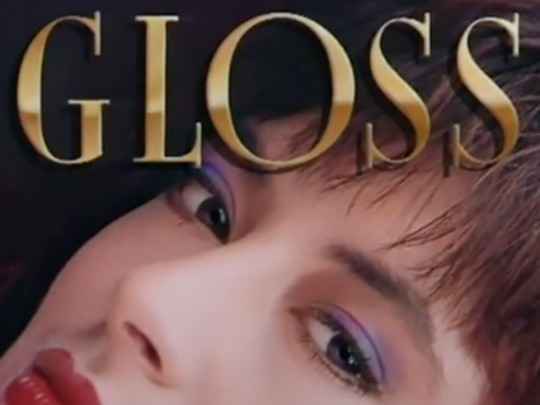
Gloss
Gloss ran for three seasons and 55 episodes....
Before They Were Famous
Buckle up as we blast from the past Russ le Roq, game...

Gloss - First Episode
The first episode

Children of the Dog Star - Power Stop
Features an earlier acting cameo from Hickey
40 Years of Country Calendar
Presented by Jim Hickey
Here is the News
Weather presenting through the ages
An Awful Silence
More Michael Keir-Morrissey & mysterious dead bodies
Gloss - Kevin Smith's TV debut
Another Gloss excerpt
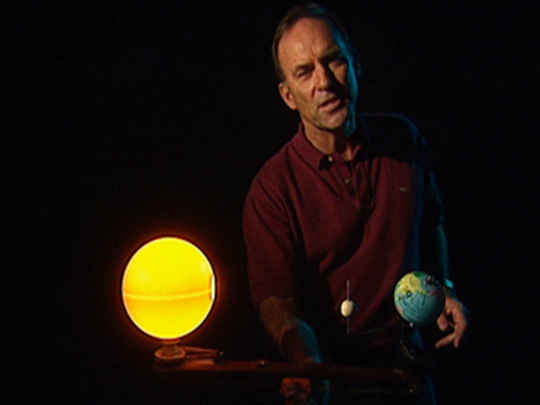
How's the Weather, Jim?
Jim Hickey talks about the weather
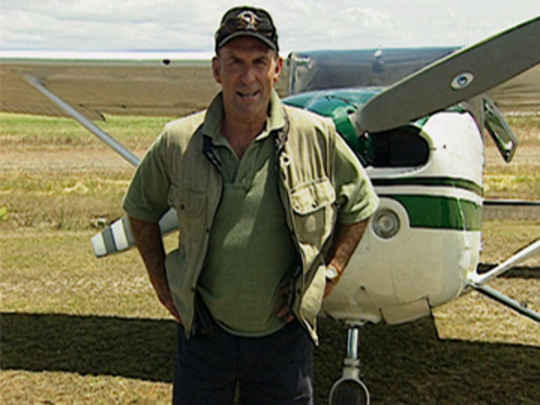
A Flying Visit - First Episode
Presented by Jim Hickey
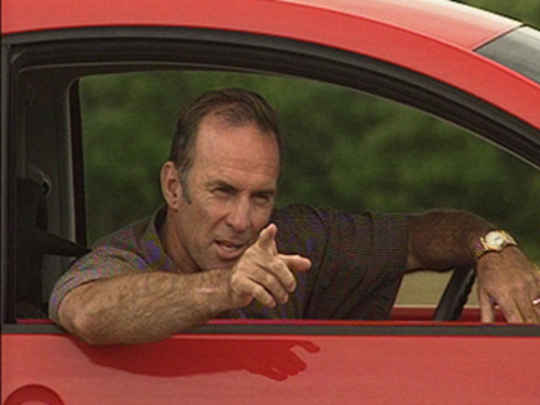
Jim's Car Show - First Episode
A show presented by Jim Hickey
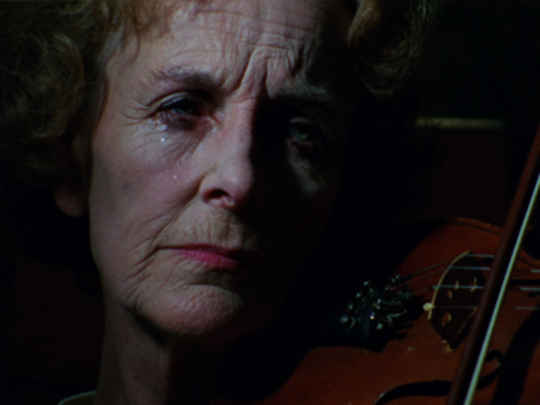
Winners & Losers: Blues for Miss Laverty
Yvonne Lawley's first TV lead role