00:00
/
00:00
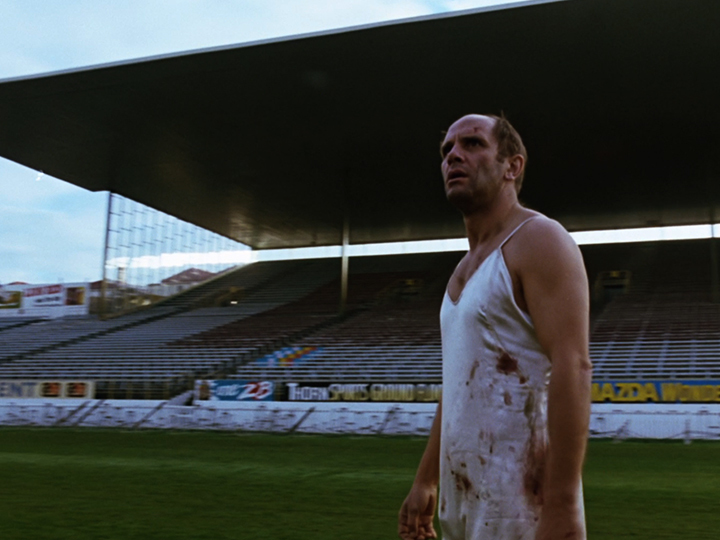
The Quiet Earth
Film (Trailer and Excerpts) – 1985
In director Geoff Murphy's cult sci-fi feature, a global energy project has malfunctioned and scientist Zac Hobson (Bruno Lawrence) awakes to find himself the only living being left on earth. At first he lives out his fantasies, helping himself to cars and clothes, before the implications of being 'man alone' sink in. As this awareness sends him to the brink of madness — see the excerpt above — he discovers two other survivors. One of them is a woman. The Los Angeles Daily News called the movie “quite simply the best science-fiction film of the 80s”. Read more about it here.
Few performances equal Bruno's in The Quiet Earth. I can only think of Spencer Tracey in The Old Man and the Sea to match his solo role. Tracey held the audience for twenty minutes; Bruno kept the audience on the edge of their seats for twice that time....– Kiwi film legend John O'Shea
Key Cast & Crew
See all 31 credits



Produced by
Cinepro/Pillsbury Films

Acknowledgements
Made with funding from the NZ Film Commission
Music
Music performed by the NZ Symphony Orchestra
Musical producer Dave Fraser
Categories
If you liked this, you might also like...

NZ Book Collection
This collection features screen adaptations from New...
The Geoff Murphy Collection
This collection pays tribute to filmmaker Geoff Murphy —...
The Sci-fi Collection
From alien hunters to futuristic fuel wars to nuclear...
The Bruno Lawrence Collection
This collection celebrates the inimitable performances of...

Auckland
This collection celebrates Auckland onscreen. Reel...
No Ordinary Sun
Another sci-fi man alone story
Utu
Also directed by Geoff Murphy
Kaleidoscope - NZ Cinema, the Past Decade
The Quiet Earth features in this survey of NZ film
The Garden Party
Also stars Alison Routledge
Vostok Station
Another last man on earth sci-fi tale
Joe and Koro - High Society
Also written by Craig Harrison
Planet Man
Another tale of planetary desertion
Under the Mountain - Full Series
More classic kiwi sci-fi
Cowboys of Culture
Bruno Lawrence is interviewed in this
Smash Palace
Starring Bruno Lawrence
Blerta Revisited
Features Bruno Lawrence
Tears
Music video from The Crocodiles, featuring Bruno Lawrence
The Navigator: A Medieval Odyssey
Another NZ fantasy film
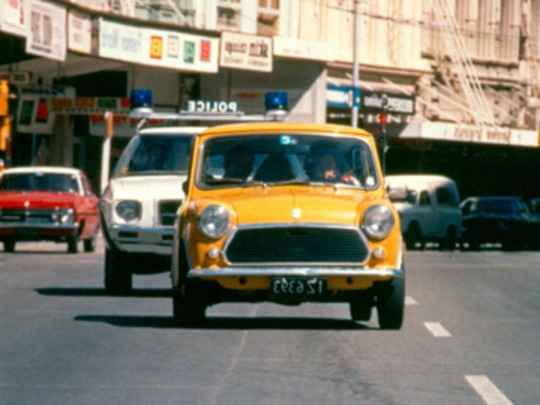
Goodbye Pork Pie
A movie featuring Bruno Lawrence
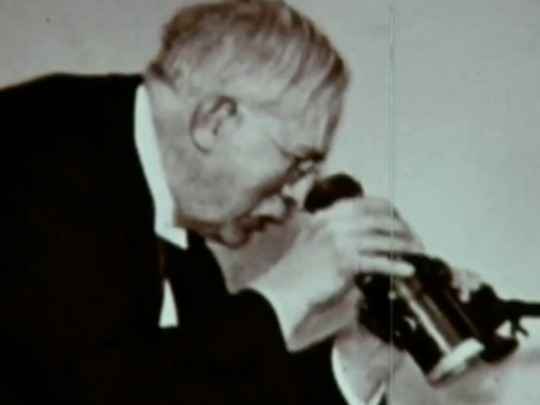
Rutherford of Nelson
A 1972 documentary on atomic scientist Ernest Rutherford
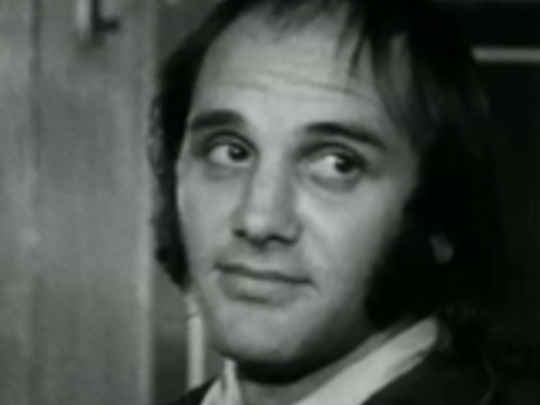
Tank Busters
Also stars Bruno and directed by Murphy
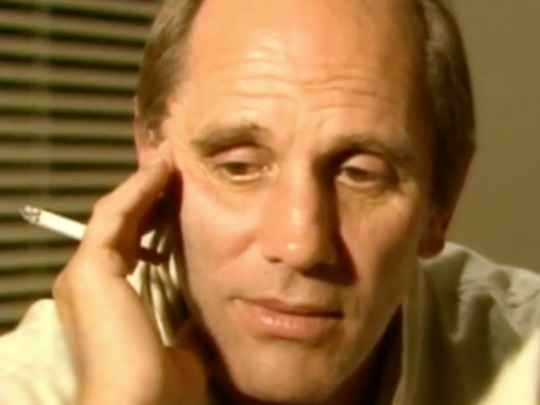
Numero Bruno
A doco on Bruno Lawrence
Existence
A 2012 Kiwi sci-fi film
Turn of the Century
A Quiet Earth-esque music video
Never Say Die
Also directed by Geoff Murphy

Starlight Hotel
Directed by writer Sam Pillsbury
Hurry Hurry Faster Faster
Early film experiment for Bruno and director Murphy

Eternity
More Kiwi sci-fi
Utu Redux
Also directed by Murphy and starring Bruno
The Nightwatchman
More scientific industrial disaster
Mis-drop
More man alone Kiwi sci-fi
Heart of the Stag
Bruno Lawrence also starred in this feature drama
The Cul de Sac - First Episode
Another apocalyptic drama with people going AWOL
Shmeat
Another Kiwi dystopia
Loading Docs 2016 - Imagine the World is Ending
Another imaging of the end of the world
Bridge to Nowhere
Alison Routledge also acted in this
Marae - The Piano Story
Actor Peter Smith behind the scenes on The Piano
Remote New World
Another film involving isolation

Battletruck
Another dystopian sci-fi film shot in New Zealand
The Nuclear Comeback
Documentary about nuclear energy
This is Not My Life - First Episode
Another man who discovers his world has changed
Percy the Policeman - Full Series
An early Bruno Lawrence/Geoff Murphy collaboration
Rangatira: Merata Mita - Making Waves
Geoff Murphy on Merata Mita's writing work on this film
Dive
Move mind-spinning goings on
The Last Man on Earth
Another film set after an apocalypse
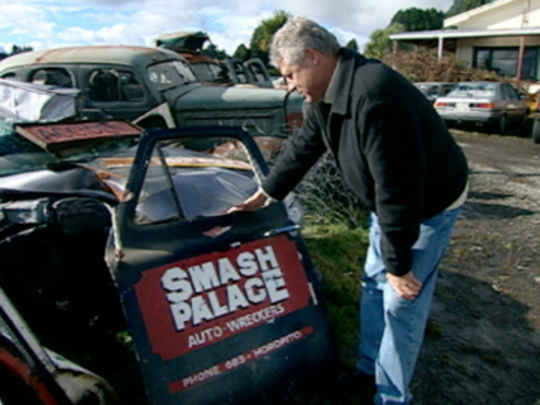
The Making of Smash Palace
Documentary about the making of Smash Palace
Northspur
Another Kiwi movie set after an apocalypse