The Producer's Perspective
On Billy T Live
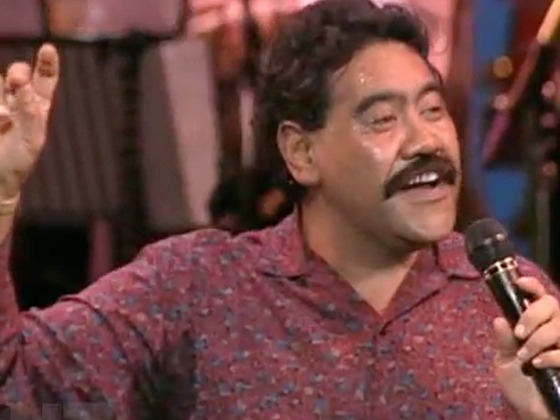
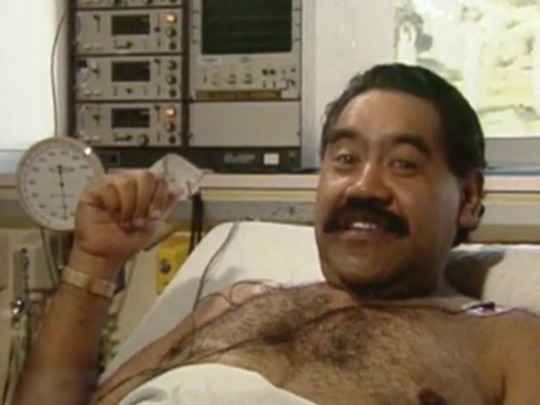
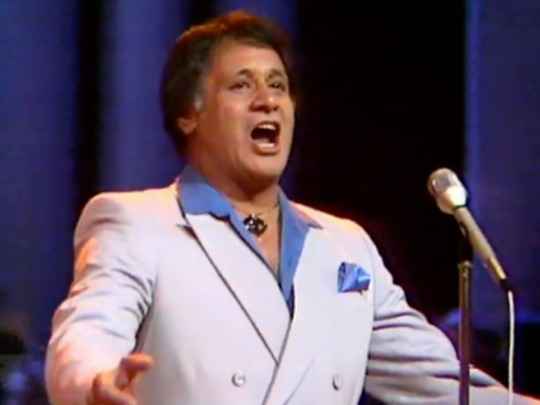
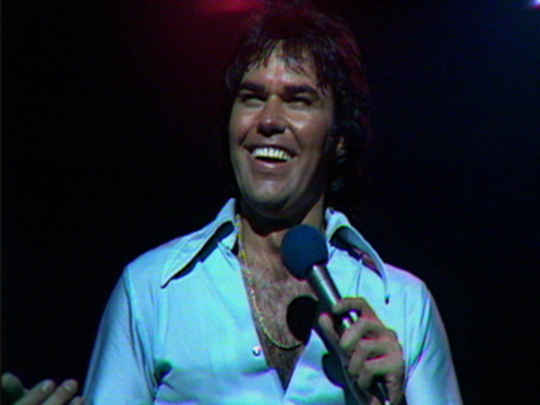
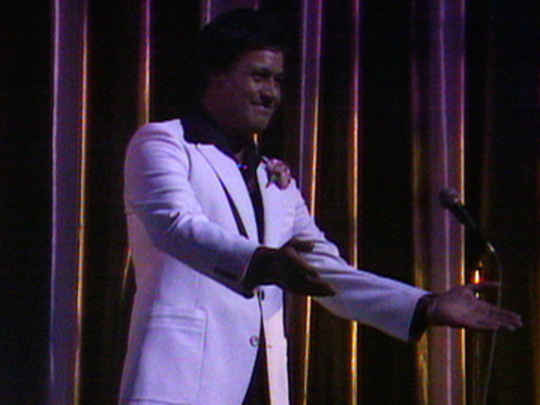
This was Billy's first show after his heart transplant. It was nip and tuck on whether we could make it happen. As usual finance was the problem, and believe it or not there were many sceptics who believed Billy could not fill the Aotea Centre hall.
TV3 had just gone into bankruptcy; in those days NZ on Air was unable to invest money into a broadcast of what was basically a live show. TVNZ thought Billy was a has been. So we patched up an almost barter deal.
TV3 owed my company a swag of money, so I got their Outside Broadcast Unit and editing/sound mixing machines for free. The Aotea Centre had not officially opened and we convinced them that this would be an excellent rehearsal for their facilities. The promoter bought the sets at cost for Billy T's live tour later that year.
That just left the cast and crew to be paid! We all knew that it was vital to get Billy's live act on tape for posterity —and also how important it was for Billy to get back to his career with a big splash. So wage deferments and quick company loans were organised on the late Friday afternoon, in time for the sellout concert on the Sunday.
On first bringing Billy T James to television
I first saw Billy perform in early December 1978 at the Avondale Rugby League Club's Christmas dinner and dance. It was not the most salubrious of venues to see a young entertainer. Billy was booked as the cabaret act. When he came on at 10.30pm the audience was, as they say in the sports world, "not on top of their game".
So much so that when Billy started his comedy routine, some alcohol-fueled couples got up to dance, thinking it was a rap number. But — and this was the astounding thing — within a couple of minutes Billy had them sitting, listening and laughing, and the untamable were eating out of his hand. I had never seen such a young entertainer do that before with such ease. He wasn't a great singer on the night. His jokes were silly and he had a very ordinary choice of songs, but by brilliant timing and sheer dint of personality he took a mainly inebriated crowd to a three encore finish.
The problem was how do you transfer that extraordinary talent to television — particularly as until that time, Billy had only made a single song appearance on The Ray Woolf Show.
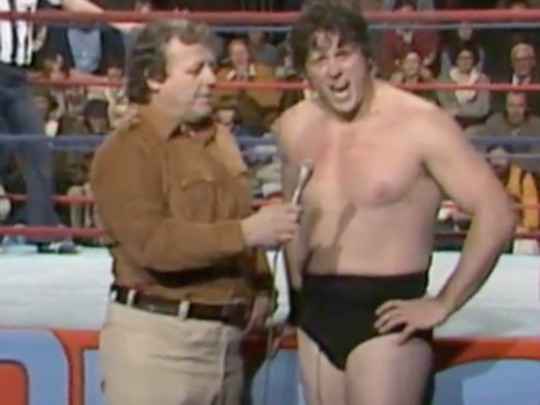
It should be remembered that in the late 1970s Māori were rarely seen on TV. The only regulars were Ernie Leonard on wrestling show On the Mat; Marama Martin, reader for Weekend News; and Derek Fox, a junior reporter on South Pacific's Wellington News. There were occasional exceptions, but generally Māori entertainers and actors were ill-used in TV entertainment shows. I was told Howard Morrison was too undisciplined for TV, that Bunny Walters was only good for two songs, and the rest were considered 'Ten Guitar' merchants. The old pink arrogance...
Plus, to cast any unknown (whether beige or pink) — no matter how talented — into a position of carrying a comedy/entertainment show is "death by the first commercial break".
I had numerous meetings with Billy, trying to find his meter. One thing did become apparent: his ability to mimic anyone's accent. He had my bizarre Indian/British/Antipodean accent down within one phone call, although I must admit that for the next 12 years of our friendship he had the decency to do it behind my back.
At the same time I was trying to see how we could transfer the Billy magic to TV. I visited the RNZ archive in Timaru, and listened to original recordings of New Zealand radio shows of the 1930s, 40s and 50s. This became the germ of the concept for Radio Times.
Discussing the idea of Radio Times with Billy, I realised that this was the perfect strategy to launch his talent. The idea was to get him to MC a variety show as someone who was the exact opposite of himself, surrounded by a strong cast, and push the comedy angle so that by the end of the second year the audience would be desperate for a Billy T James comedy series. Billy thought I was "barmy". But as he said, "a gig's a gig".
Normally show business strategies fall arse over tit in the first flush; but this one, due to Billy's extraordinary talents, worked.
- Tom Parkinson worked with Billy T James on Radio Times and sitcom The Billy T James Show. He spent time as Television New Zealand's Head of Entertainment and set up company Isambard, initially as part of new channel TV3, and later became Chief Executive of Australia's Crawford Productions.
Back to top
A Perspective
In 1978, during a visit to an Auckland rugby league club, producer Tom Parkinson watched with trepidation and increasing admiration as an inebriated, rowdy audience were conquered by cabaret performer Billy T James. "It was quite astonishing," Tom recalled. "His timing was extraordinary."
Parkinson, a transplanted Englishman (who came to New Zealand following a colourful career in the British entertainment industry that ranged from horror films to West End musicals) was looking to develop local light entertainment for New Zealand television.
Parkinson sought a TV vehicle for Billy T's talent. The first show they did together was Radio Times, a variety format fronted by Billy T as dashing compere Dexter Fitzgibbons, and broken up with skits, and song and dance numbers. Parkinson recalls the first time he heard Billy T's trademark bro laugh:
"At the first rehearsal on the Maidment Theatre set, the first time the crew heard Billy's Dexter Fitzgibbons upper class English accent, Ru, a young Māori boom operator, started to giggle. Billy, immediately realising there is a cuz out there, starts to mimic it as a "I hear you bro". Ru tries to suppress his giggle, only to make it a little higher-pitched and strained. Billy exaggerates it, and within a few seconds of interchange the trademark giggle was born."
Radio Times was a success, and once he got his own comedy show, Billy T never looked back. No New Zealand entertainer has been more popular than Billy T in his heyday.
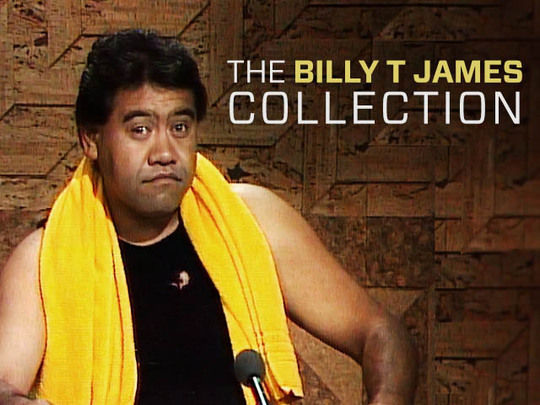
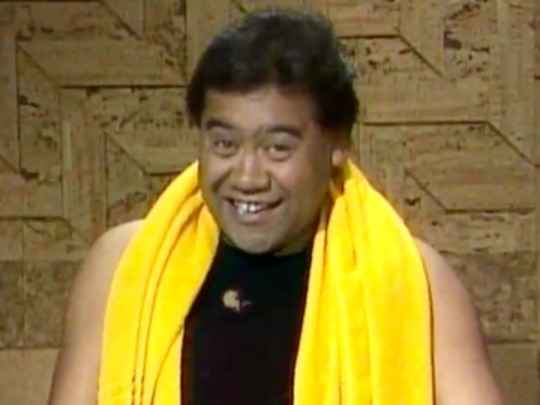
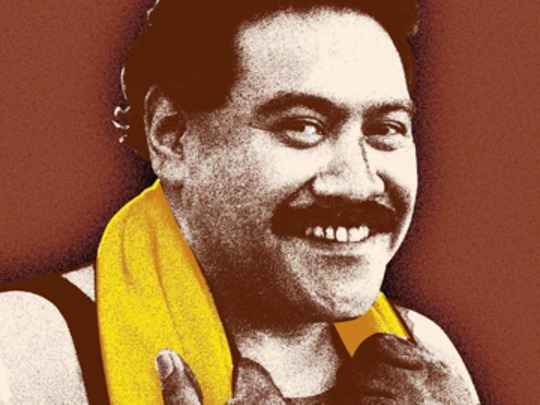
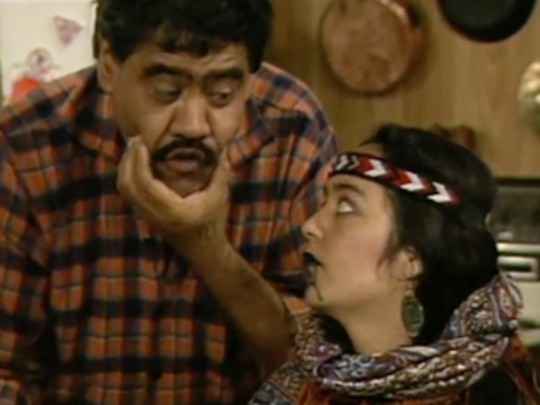
And he got there by going for it. Gone were Dexter's top hat and tails, and polite patter; in came the black singlet, buttock-hugging stubbies, and the soon to be famous yellow towel.
There were wry observational digs at life in general, but at the centre of Billy's comic world was race. He had an unerring ability to provoke exquisite anxiety on this touchy topic, then defuse it with hilarious, unexpected punchlines. Said Don Selwyn, who cast him in drama The Protestors, "his timing was so good; he could be poignant and funny". Māori showband legend Robbie Ratana joked that "he was so talented; I hated him".
James did for Māori what John Clarke had done for Pākehā a few years earlier. He nailed a popular cultural stereotype, and found enough truth in it to give us something to laugh at and celebrate simultaneously.
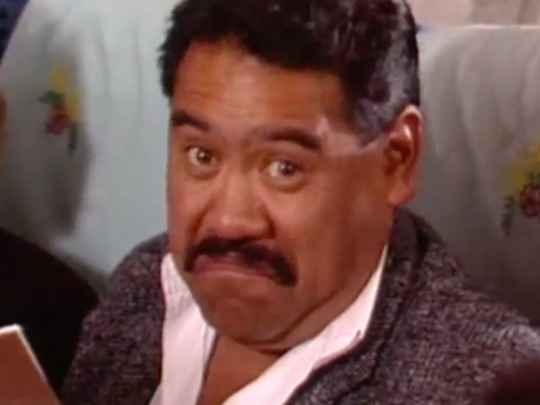
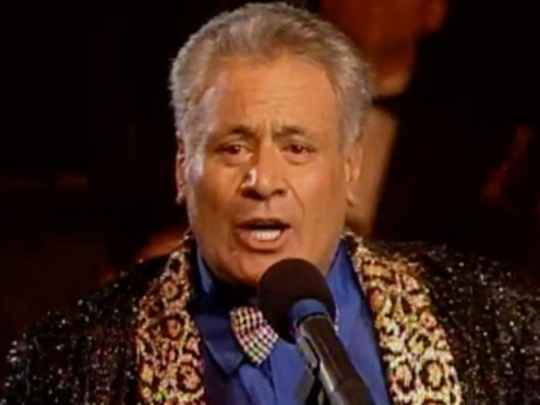
Billy T's charmed run came to an end after his triumph in Came A Hot Friday (1984). He had a major heart attack, which kicked off years of illness. A heart transplant seemed to offer hope for the future. With Billy T being willing and able to perform again, Tom Parkinson organised a comeback special.
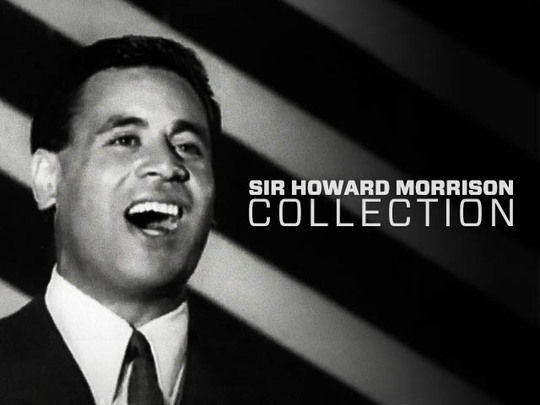
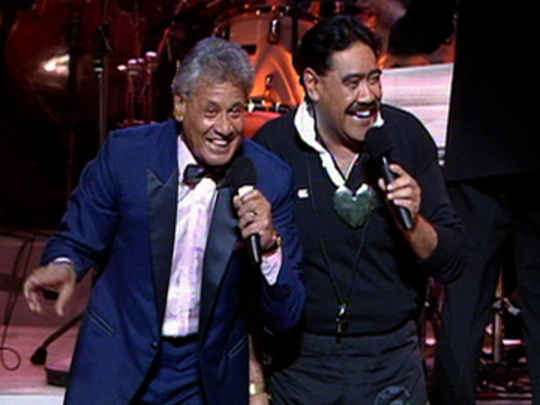
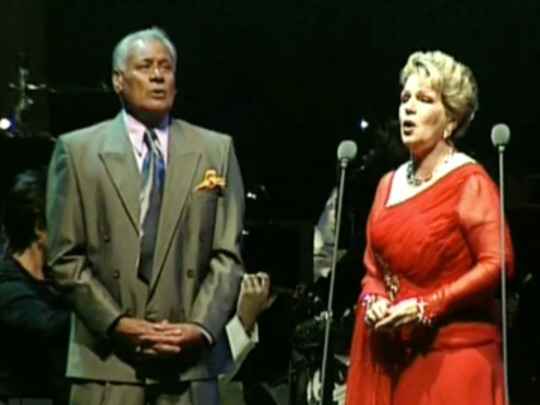
Billy T James was so popular and funny that he was allowed to get away with material that might be considered distinctly 'iffy' (ie politically incorrect) today. His offsider in this concert, Howard Morrison, was certainly not so lucky when he salted some risky racial references into a later speech, and was roundly booed up and down the country.
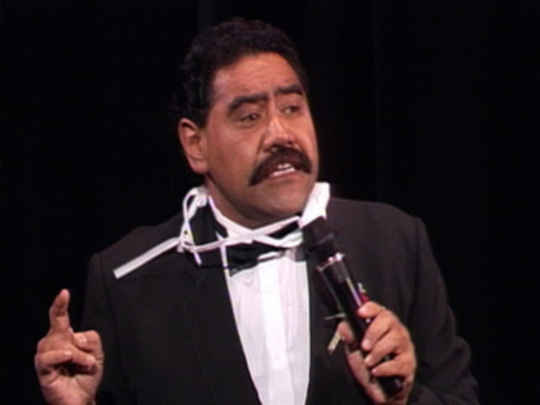
But with Billy T in the co-presenter's seat doing Brownie News, somehow the gags are more amusing than offensive; every gag is rounded off genially with Billy T's trademark ‘bro' laugh, and the audience appreciates every punchline. There's a sense that this is a historic performance.
Besides the sketches and gags, the show features other kinds of material which demonstrates what a skilled and well-rounded performer Billy T James was. A tragic shaggy dog story involving the true, forgotten writer, of 'Somewhere Over the Rainbow' shows what an incredible sense of timing he had, both as a comedian and musician.
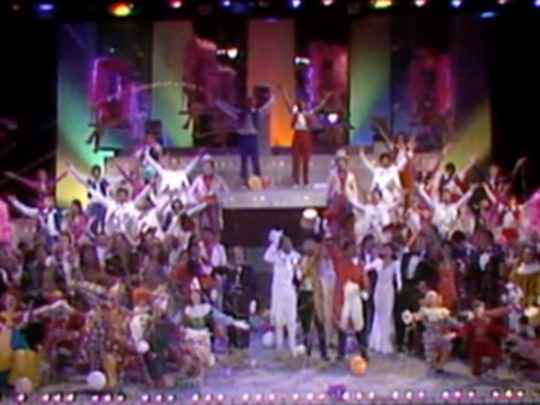
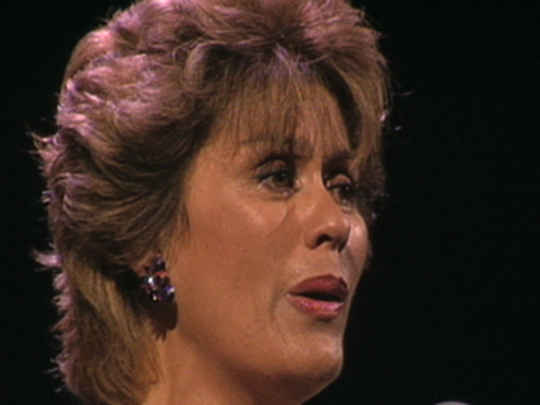
Supported by a crack band including Tui Timoti, Rodger Fox, and Suzanne Lee, James transcends the Las Vegas tinsel and red Lycra-clad showgirls to literally give the performance of his lifetime. It was, sadly, to be a valedictory effort. His health deteriorated again shortly afterwards, and his new heart was to only last another year.
- The work of Costa Botes includes a run of feature-length documentaries, short films (Stalin's Sickle) and co-directing Forgotten Silver.
Back to top